Seasons– Cooking by the Rhythm of the Year –
Japanese cuisine follows the 24 solar terms — a calendar of subtle seasonal shifts, each with its own flavors and rituals. We follow this rhythm in pursuit of shun, the peak moment of every ingredient's life.
-

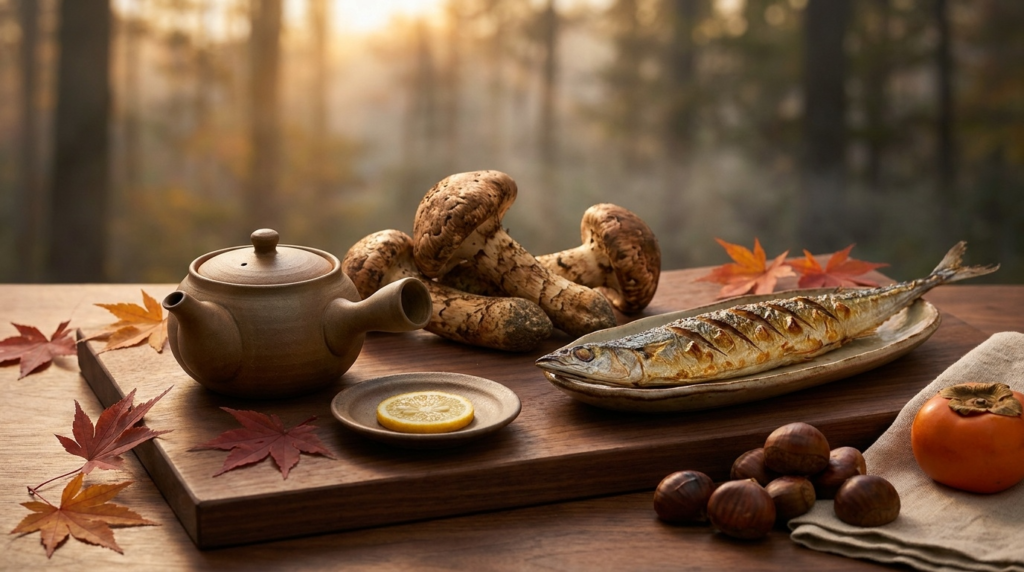
Autumn on the Plate: Matsutake, Sanma, and the Arithmetic of Abundance
Autumn on the Plate: Matsutake, Sanma, and the Arithmetic of Abundance Japan is the only country that names a season after appetite. But the foods that define shokuyoku no aki now arrive with numbers attached — and most of those numbers are counting downward. This is what abundance looks like once it has to be measu... -
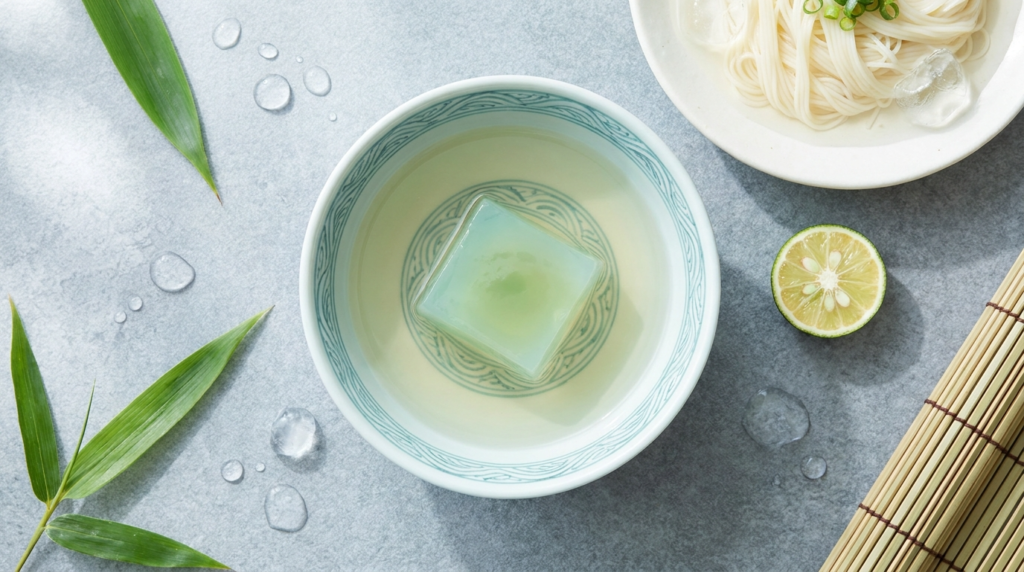
Summer on the Plate: Coolness as a Thing You Cook
Summer on the Plate: Coolness as a Thing You Cook Japanese summer food is not simply food that happens to be cold. It is an engineered response to heat — a vegetable named for the wrong season, a fish eaten at its worst moment for reasons that have nothing to do with flavour, and a table where the bowl is chosen bef... -

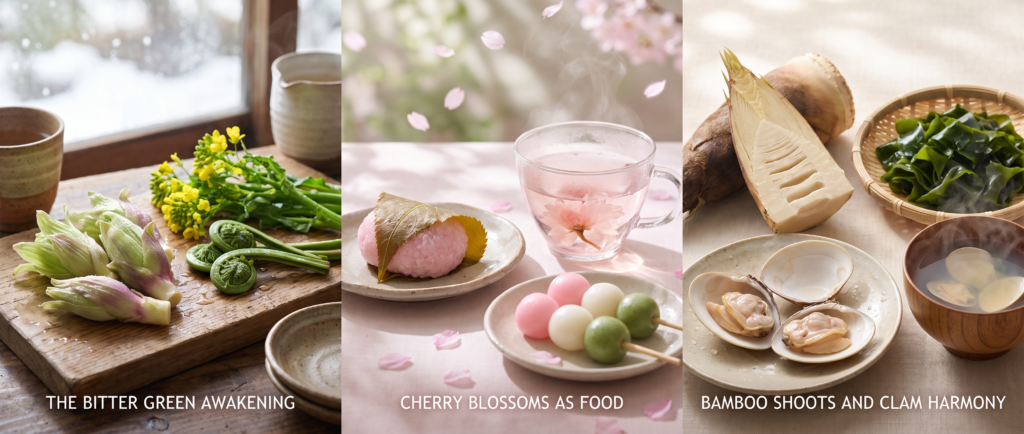
Spring on the Plate: Sakura, Bamboo Shoots, and the Taste of Beginnings
Spring on the Plate: Sakura, Bamboo Shoots, and the Taste of Beginnings Japanese spring food is built around a single idea — that a beginning has a flavor. It is faintly bitter, faintly sweet, wrapped in a salted leaf, and gone almost as soon as it arrives. Of all the seasons, spring is the one Japan seems most anxi... -
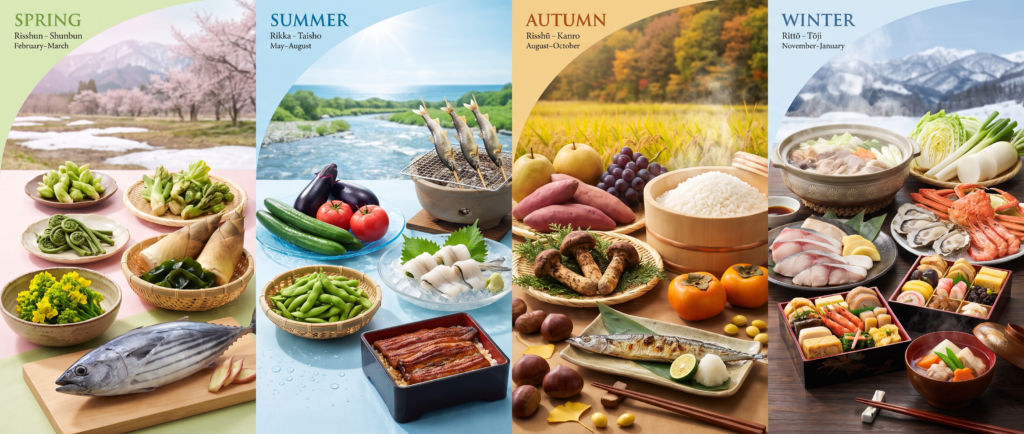
A Year at the Japanese Table: Eating Through the Twenty-Four Sekki
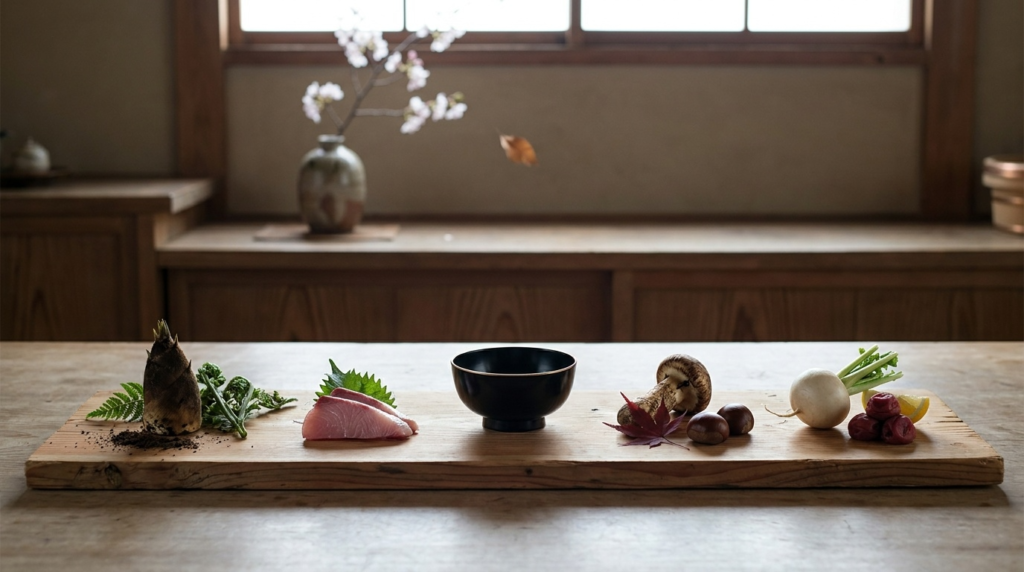
A Year at the Japanese Table: Eating Through the Twenty-Four Sekki Japan divides the year into twenty-four seasons, each about two weeks long. Walk through them in order and you are no longer reading a calendar — you are eating one. Most of the world eats by four seasons, and loosely at that. Japan keeps a finer clo... -

The Fish That Japan Follows Through the Year: Katsuo and the Meaning of Two Seasons
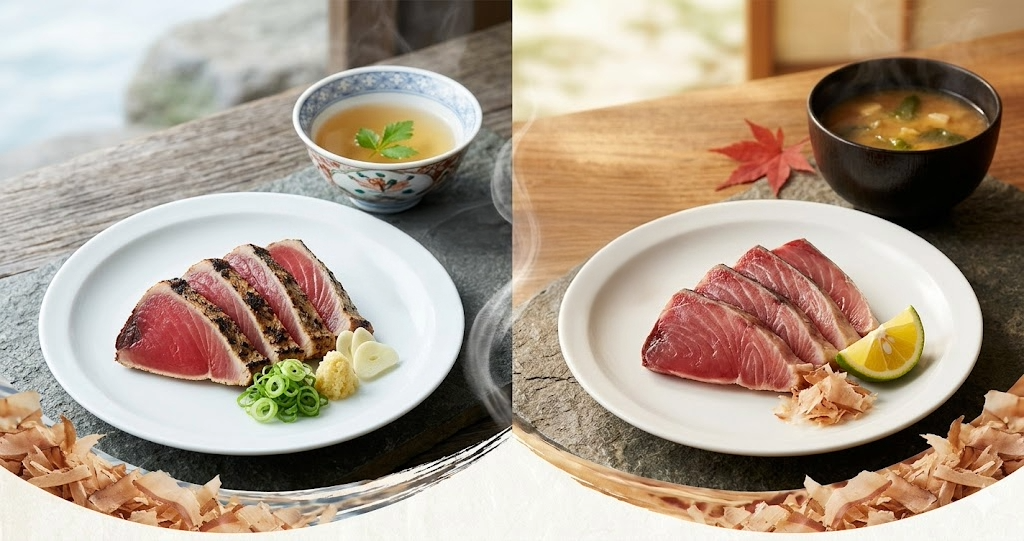
The Fish That Japan Follows Through the Year: Katsuo and the Meaning of Two Seasons No fish is more deeply embedded in the Japanese sense of season than katsuo — known in English as skipjack tuna or bonito — that arrives in spring as a lean harbinger of summer, and returns in autumn transformed, fat and rich, from i... -
Wagashi and the Calendar: A Year in Sweet Form
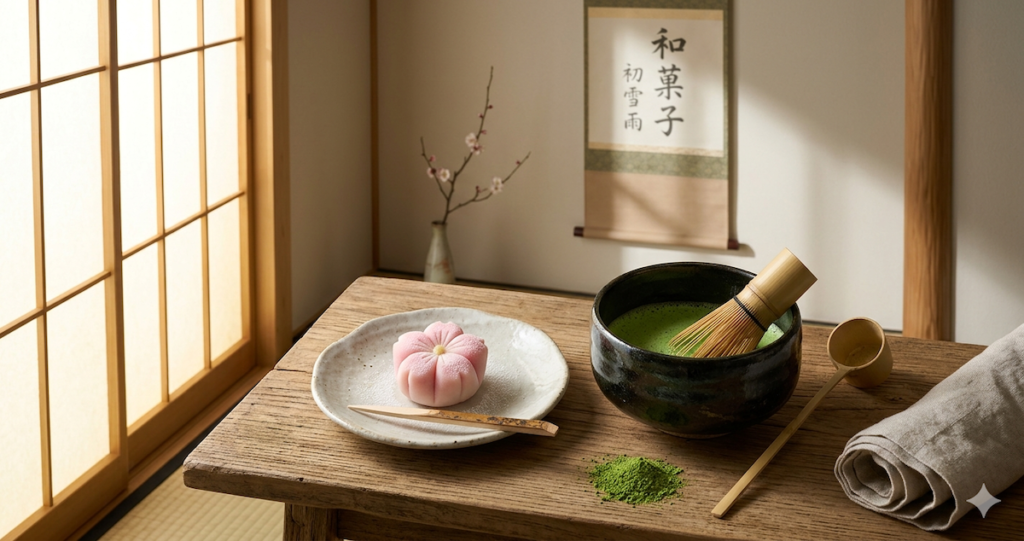
Wagashi and the Calendar: A Year in Sweet Form Before the matcha is prepared, a small sweet arrives. It is shaped like a plum blossom, or a maple leaf, or a crescent moon. It tells you, in the most delicate possible way, exactly what time of year it is. Place a piece of nerikiri in your hand and look at it carefully... -
Shun: How Japan Learned to Eat by the Calendar
Shun: How Japan Learned to Eat by the Calendar Japan does not simply observe the four seasons. It counts them in twenty-four parts, and then seventy-two more. Behind this precision lies a philosophy of eating that has quietly shaped Japanese cuisine for over a thousand years. In Japan, the question of what to eat is...
1