Origin– The Land in Every Ingredient –
A food cannot be separated from where it is born. From the mineral water of Kyoto to the cold seas of Hokkaido, we travel to the landscapes that shape Japan's finest ingredients — and meet the people who tend them.
-

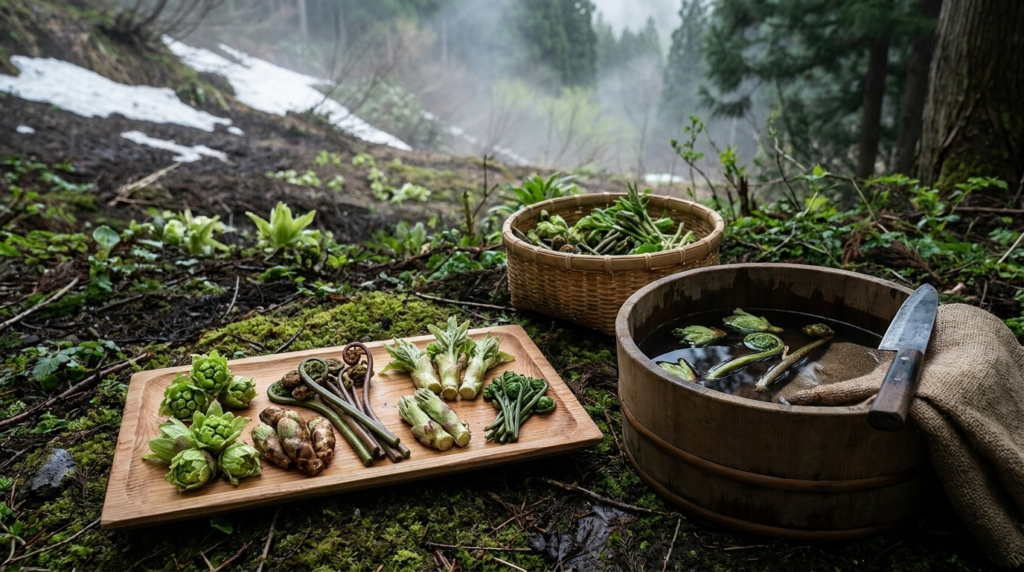
Eating the Mountains: Sansai and Japan’s Art of Making Wild Vegetables Edible
Eating the Mountains: Sansai and Japan's Art of Making Wild Vegetables Edible Every spring, Japan gathers a fern that is mildly carcinogenic raw, soaks it in wood ash, and serves it as a delicacy. That sentence contains most of what is interesting about sansai — the wild mountain vegetables that are the last part of... -
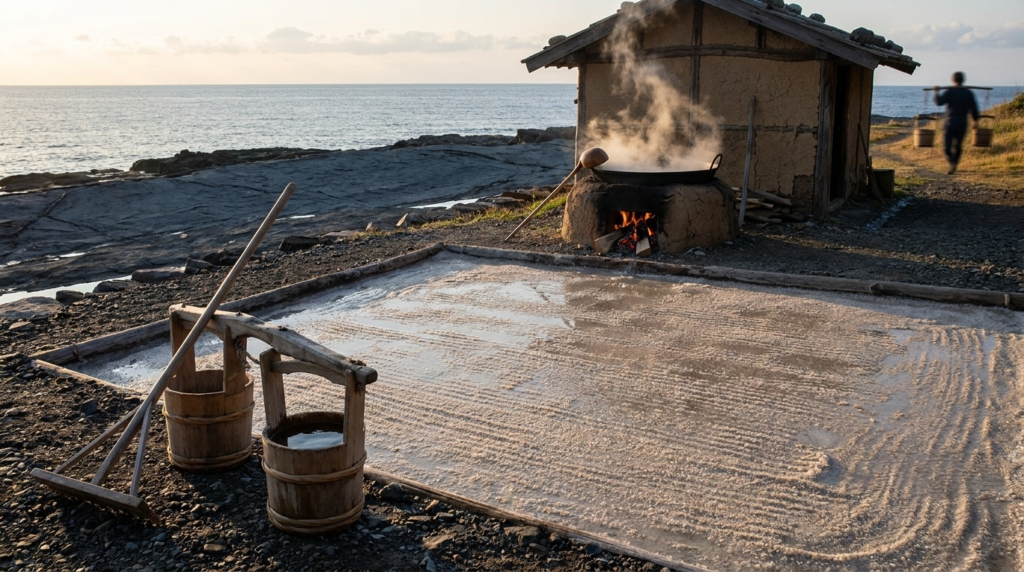
The Country That Forgot How to Make Salt: Japan, the Sea, and the Salt on Your Shelf
The Country That Forgot How to Make Salt: Japan, the Sea, and the Salt on Your Shelf Japan is an archipelago with no rock salt, no salt lakes, and a climate too wet to dry seawater in the sun. For two thousand years it solved that problem with extraordinary ingenuity — and then, in a single year in the 1970s, abolis... -
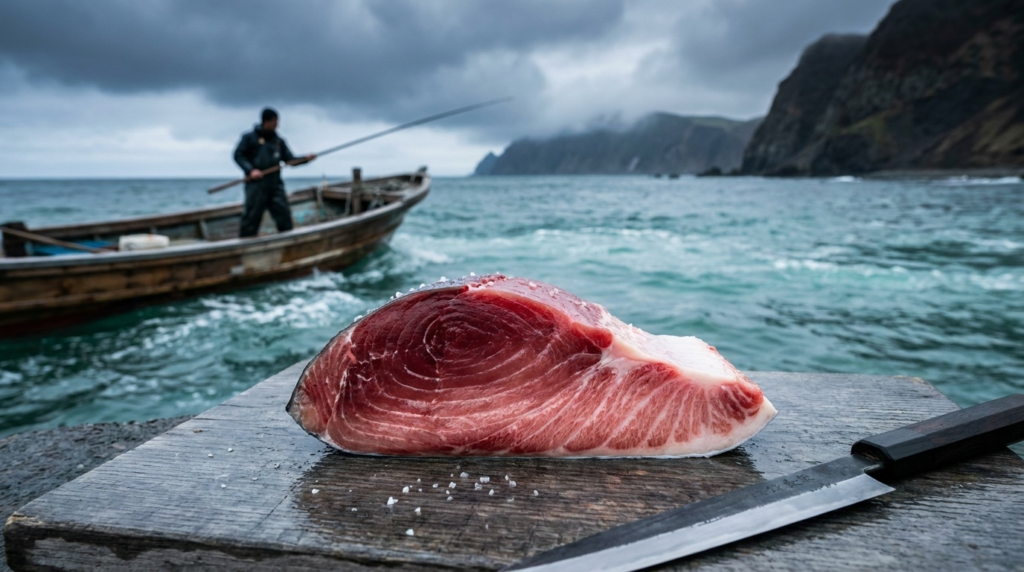
Where the Strait Narrows: Oma and the Making of Japan’s Most Valuable Tuna
Where the Strait Narrows: Oma and the Making of Japan's Most Valuable Tuna A single tuna sold for 510.3 million yen in January 2026. It came from a town of five thousand people at the northern tip of Honshu, caught by one man alone in a small boat, on a line he held in his hands. The Tsugaru Strait is nineteen kilom... -
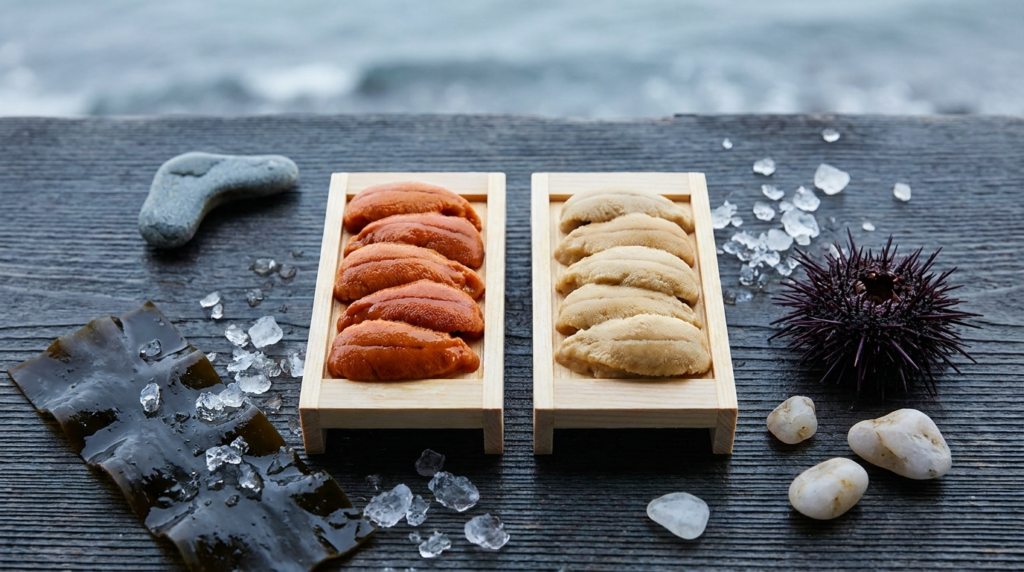
The Uni Coast: Sea Urchin and the Geography of Japan’s Cold Shores
The Uni Coast: Sea Urchin and the Geography of Japan's Cold Shores Four out of every five sea urchins landed in Japan come from two stretches of coastline. It is not an accident of fishing effort. It is a map of where kelp grows — and uni is, in the most literal sense, kelp that has been eaten and rearranged. On a g... -

Yuzu and the Citrus That Refuses to Be a Fruit
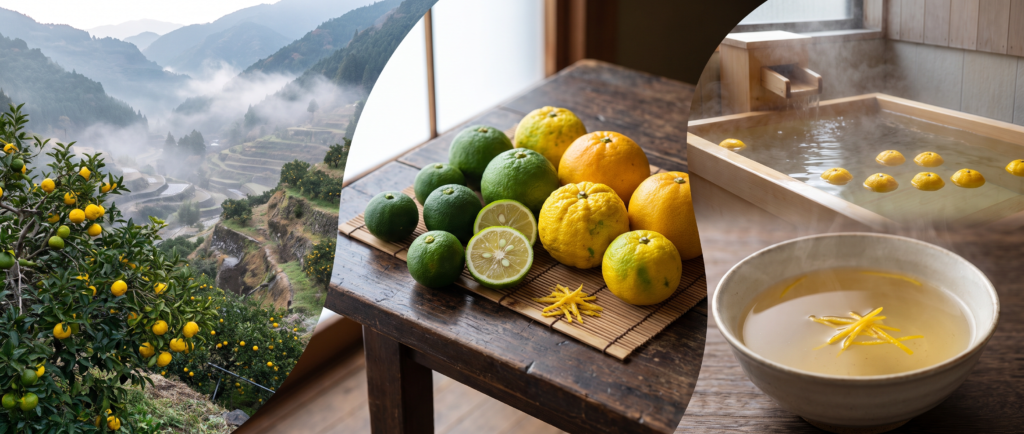
Yuzu and the Citrus That Refuses to Be a Fruit No one bites into a yuzu. Japan's most beloved citrus is grown not to be eaten but to be smelled — its aromatic peel, its sharp cold-weather juice, and a family of green cousins that between them flavor an entire cuisine without ever appearing whole on the plate. Here i... -
Wasabi: The Plant That Almost No One Actually Eats
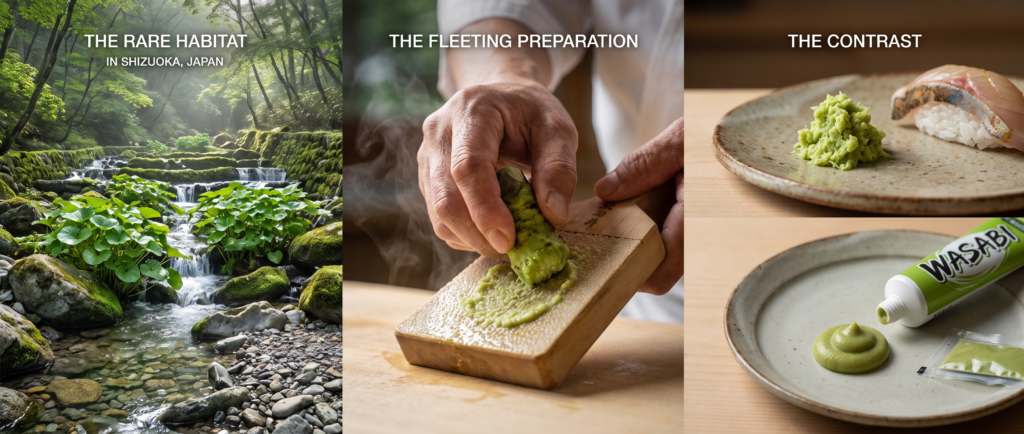
Wasabi: The Plant That Almost No One Actually Eats Real wasabi grows only in cold, running mountain water — which is why the green paste beside your sushi is, overwhelmingly, something else entirely. Here is an uncomfortable fact to begin with: the little green mound you have almost certainly eaten alongside sushi w... -
The Grain at the Center: How Rice Made Japan
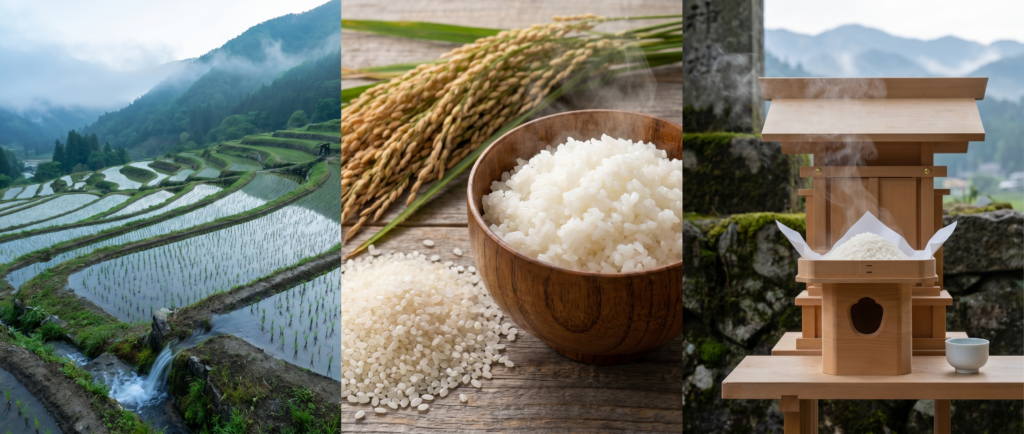
The Grain at the Center: How Rice Made Japan Before it was a food, rice was a reason to organize a landscape, a calendar, a religion, and a state. To understand Japan, you have to start in the flooded field. Fly over rural Japan in early summer and the country reveals its oldest logic from the air. Between the mount... -
Matcha vs Green Tea: What’s the Difference?
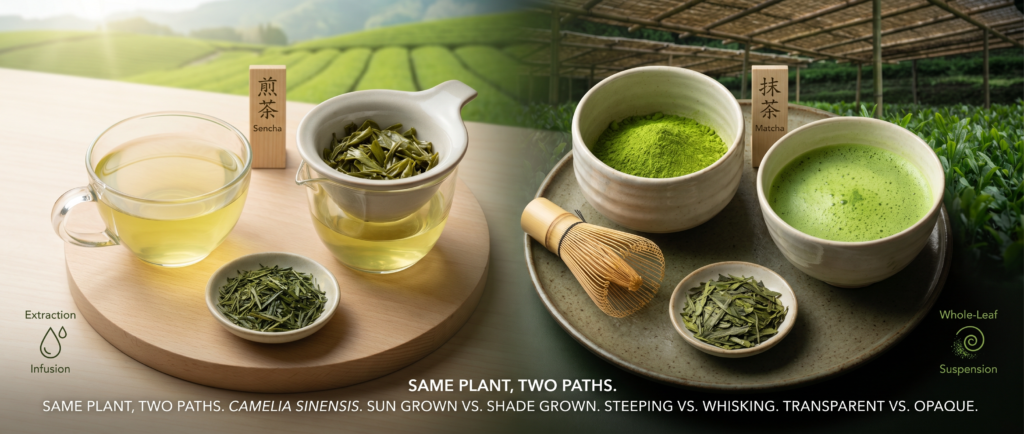
Matcha vs Green Tea: What's the Difference? They come from the same plant — the same species, often the same regions. But one is steeped and strained away, and the other is shaded, ground, and swallowed whole. That single difference changes everything about how they taste, how they are made, and what they do. It sur... -
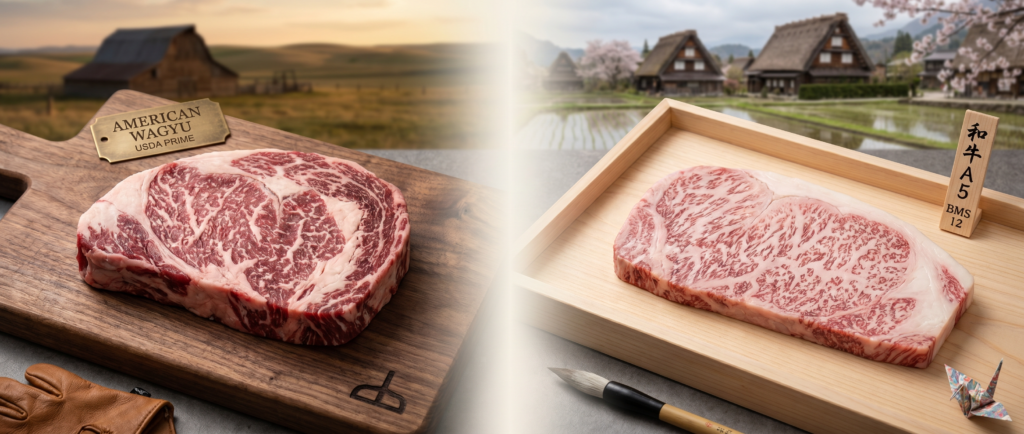
American Wagyu vs Japanese Wagyu: What’s the Difference?
American Wagyu vs Japanese Wagyu: What's the Difference? They share a name, a genetic ancestry, and a reputation for extraordinary marbling. But one is a purebred animal raised within a closed national system, and the other is a hybrid born of an export that Japan eventually moved to stop. The difference begins with... -

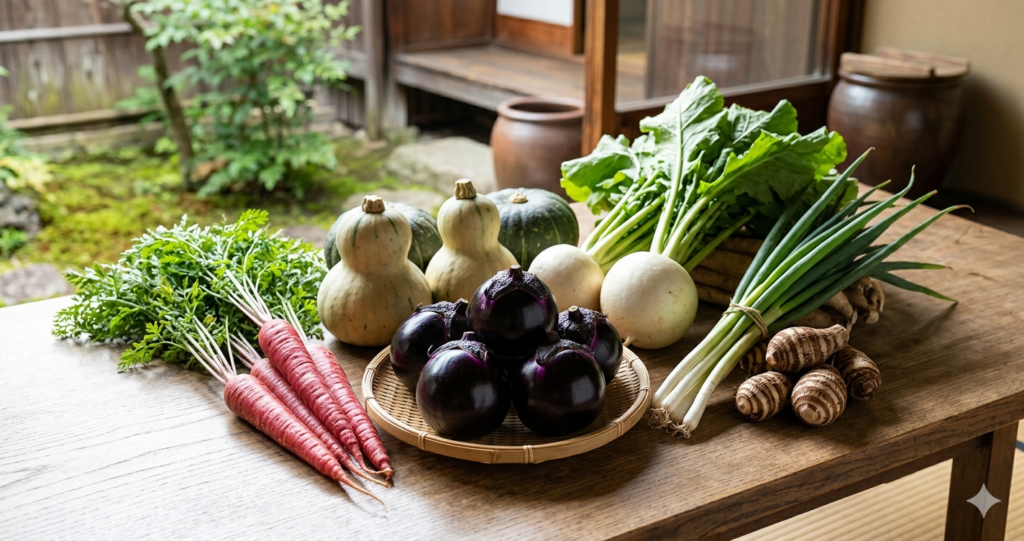
Grown for a Thousand Years: Kyoto’s Extraordinary Heritage Vegetables
Kyoto's traditional heirloom vegetables, or kyoyasai, were shaped over a millennium to meet the exacting demands of imperial, temple, and haute cuisine, prioritizing exceptional flavor and texture over durability. -
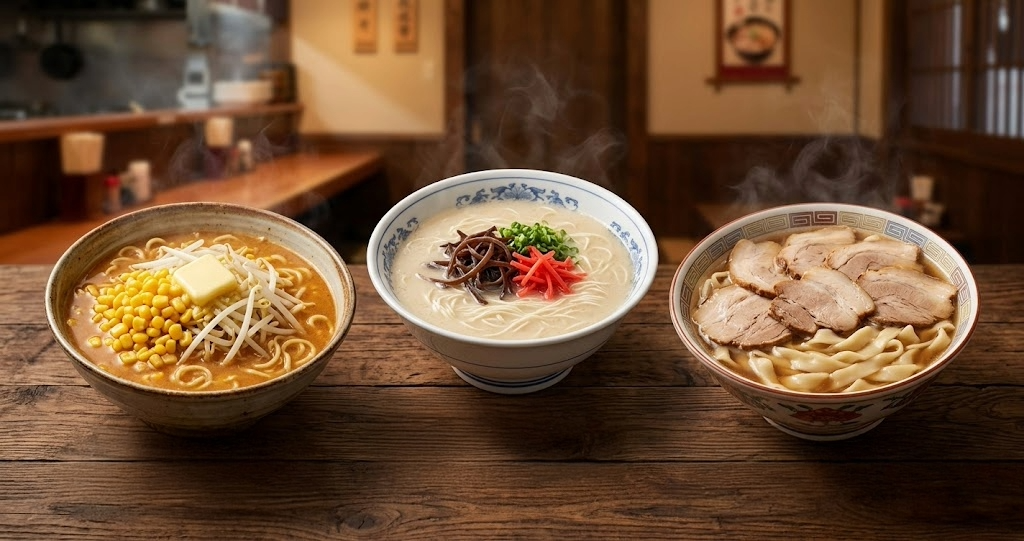
What Ramen Really Is: The Three Styles That Built Japan’s Noodle Culture
This article explores Japan’s "Three Great Ramen"—Sapporo, Hakata, and Kitakata—detailing their distinct histories, broth bases, and noodle styles that reflect the unique climates and cultures of their respective regions. -
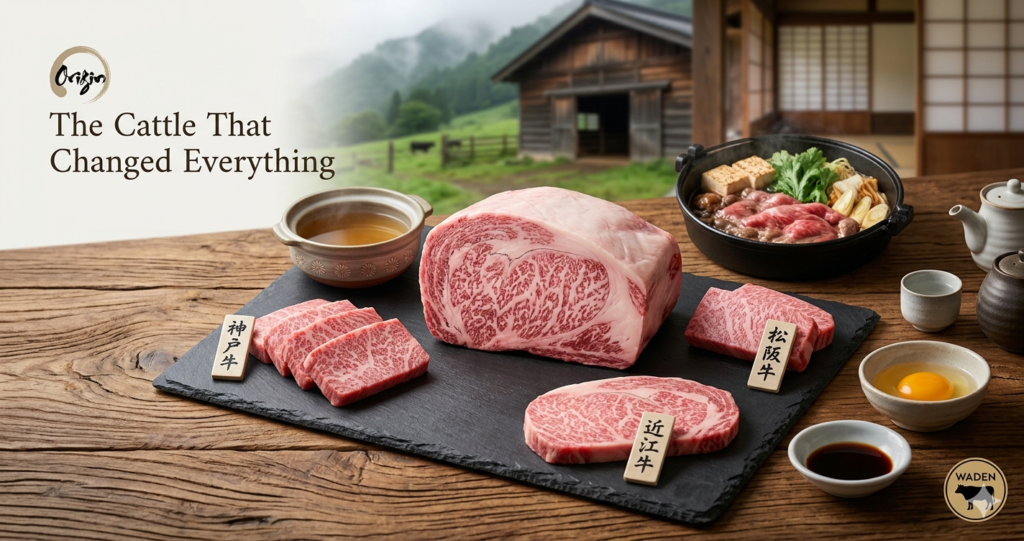
The Cattle That Changed Everything
This comprehensive guide explains the specific genetics, isolation-driven history, rigorous A5 grading system, and regional brands (Kobe, Matsusaka, Omi) that define premium Japanese Wagyu beef, transforming dining into a culturally specific experience.
12