Vessel– The Bowl Is Part of the Meal –
In Japan, the vessel matters as much as the food it holds. The potter and the chef speak the same language. We explore how form, texture, and season come together at the table.
-

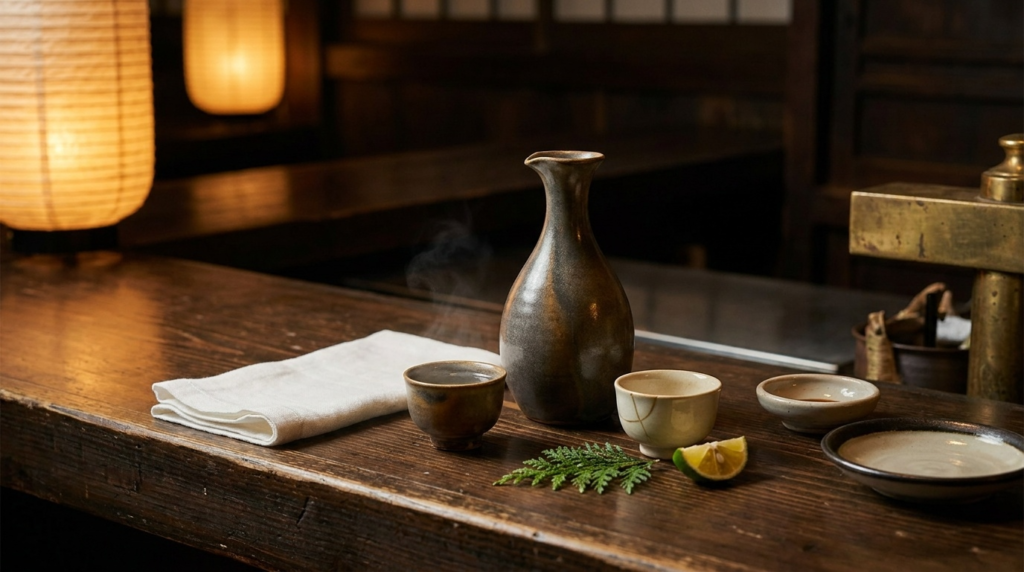
The Cup Came Last: Tokkuri, Ochoko, and the Vessels That Shaped Japanese Drinking
The Cup Came Last: Tokkuri, Ochoko, and the Vessels That Shaped Japanese Drinking The flask on your table was designed to carry soy sauce. The cup beside it started life as a dish for appetisers. Almost nothing in the Japanese sake service was built for the job it now does — which is exactly what makes the set inter... -
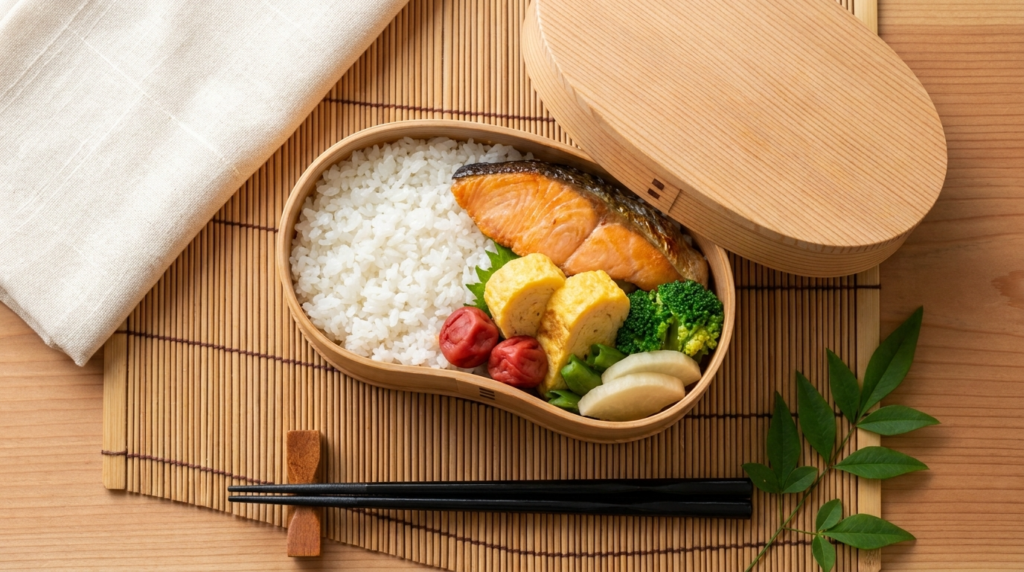
The Bento Box as Object: Magewappa, Lacquer, and the Design of a Meal Eaten Cold
The Bento Box as Object: Magewappa, Lacquer, and the Design of a Meal Eaten Cold Almost every container in the world exists to move food from one place to another. The Japanese bento box was designed to do something harder — to keep a bowl of rice worth eating four hours after it stopped being hot, without a lid tha... -

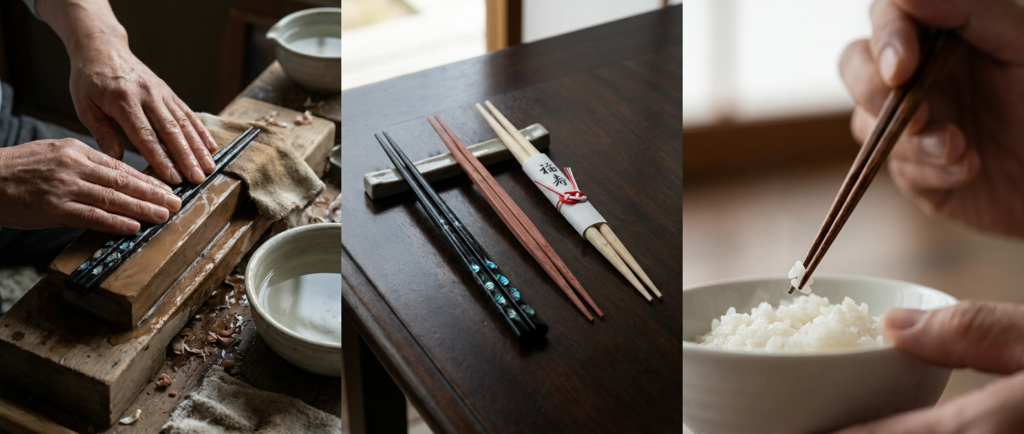
Two Sticks, Four Hundred Years: The Making of Japanese Chopsticks
Two Sticks, Four Hundred Years: The Making of Japanese Chopsticks Japan is the only chopstick culture that made the tool personal, tapered it to a point, and then built an entire industry around throwing it away. A small town on the Sea of Japan produces most of the country's lacquered pairs. A different tradition i... -
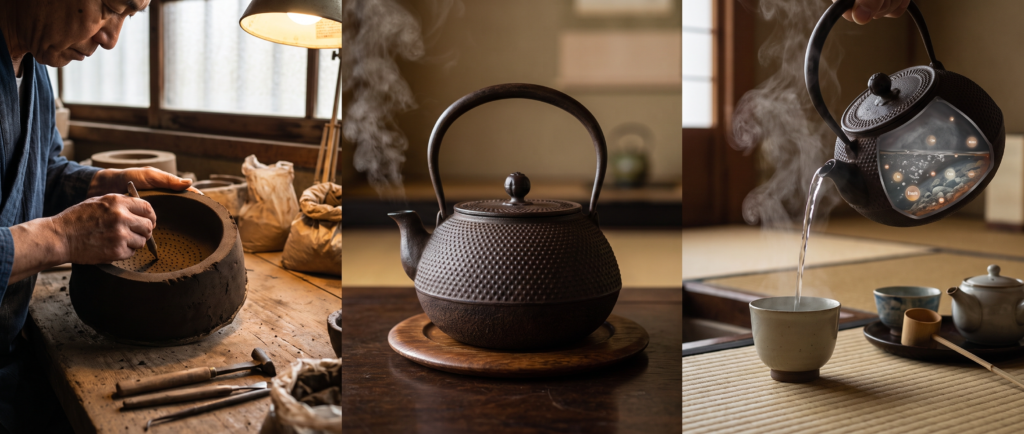
Nanbu Tekki: The Cast Iron That Changes the Water
Nanbu Tekki: The Cast Iron That Changes the Water Boil ordinary tap water in a Japanese iron kettle and it comes out tasting different — softer, rounder, cleaner. The reason is partly chemistry, partly four hundred years of a northern craft that treats a kettle as an heirloom. There is a claim that sounds like folkl... -
The Sap That Becomes an Heirloom: Urushi and the Long Life of Lacquer
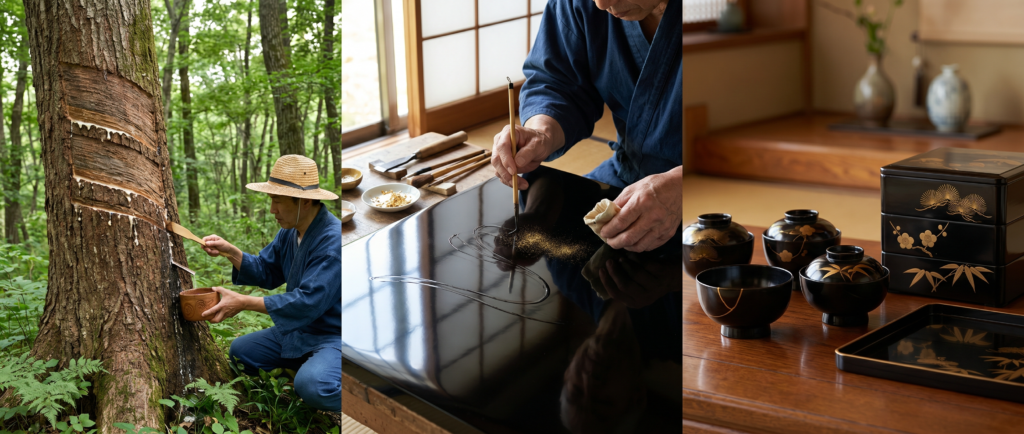
The Sap That Becomes an Heirloom: Urushi and the Long Life of Lacquer A tree bleeds a poisonous resin. A carver shapes wood. A painter draws in gold dust no thicker than pollen. And an object is made that is meant to outlive the person who made it — if the tree survives at all. There is a particular kind of object t... -
Clay, Fire, and the Food Between
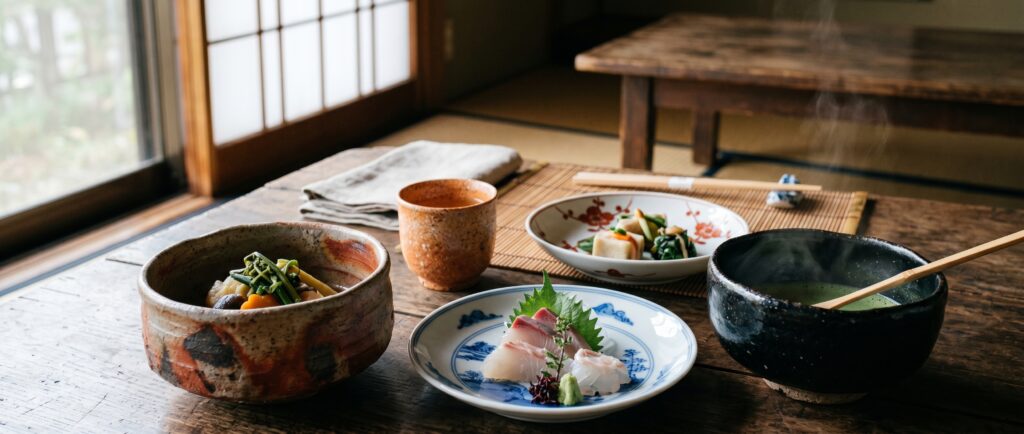
Explore the history, aesthetics, and culinary roles of Japanese ceramics. This guide highlights the differences between warm, earthy tōki (pottery) and cool, refined jiki (porcelain). -

The Glass That Cuts Light
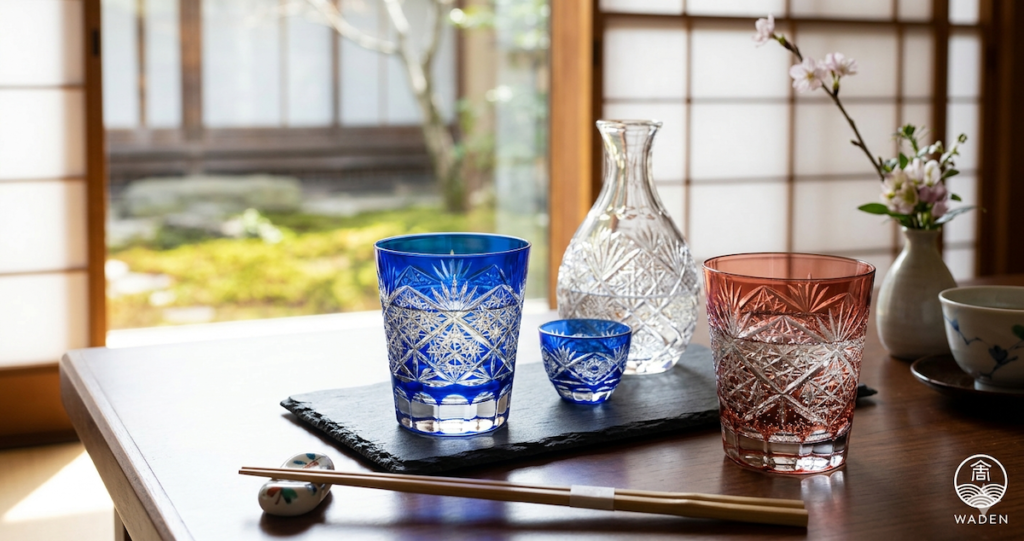
This article introduces Kiriko, Japan's traditional geometric cut glass art, detailing its history, the distinct Edo and Satsuma traditions, the handcrafted production process, auspicious patterns, and its elegant use at the table. -
Why Japanese Chefs Still Choose Lacquerware
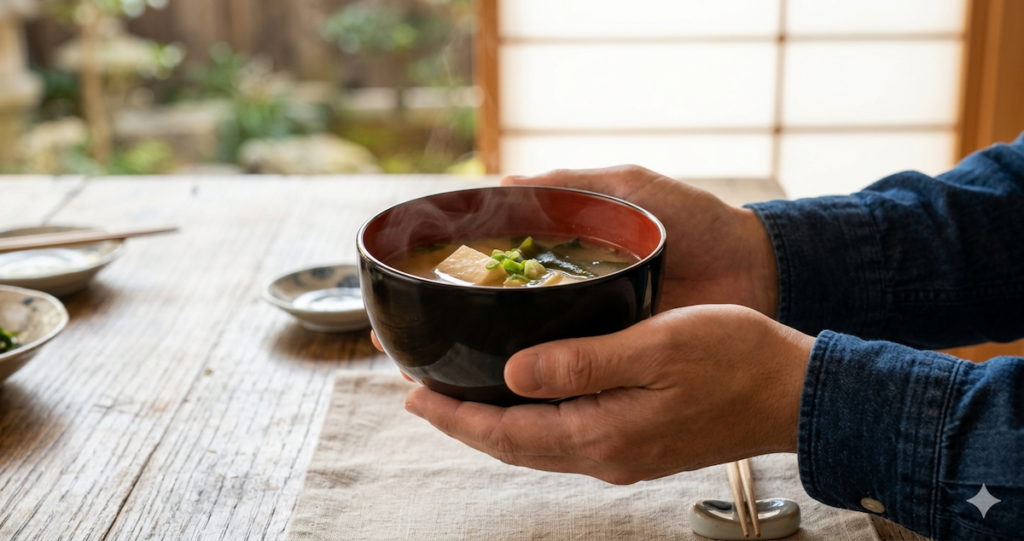
Why Japanese Chefs Still Choose Lacquerware In a world of ceramic, glass, and stainless steel, the lacquered wood bowl persists — in home kitchens, in Michelin-starred restaurants, in temple offerings, in New Year boxes. The reasons are older than any of those alternatives, and more precise than they first appear. L...
1