Heritage– What Must Not Be Forgotten –
Some dishes are vanishing. Some techniques survive in the hands of a single aging craftsperson. Waden documents the regional foods, culinary memories, and living traditions that give Japanese food its soul.
-

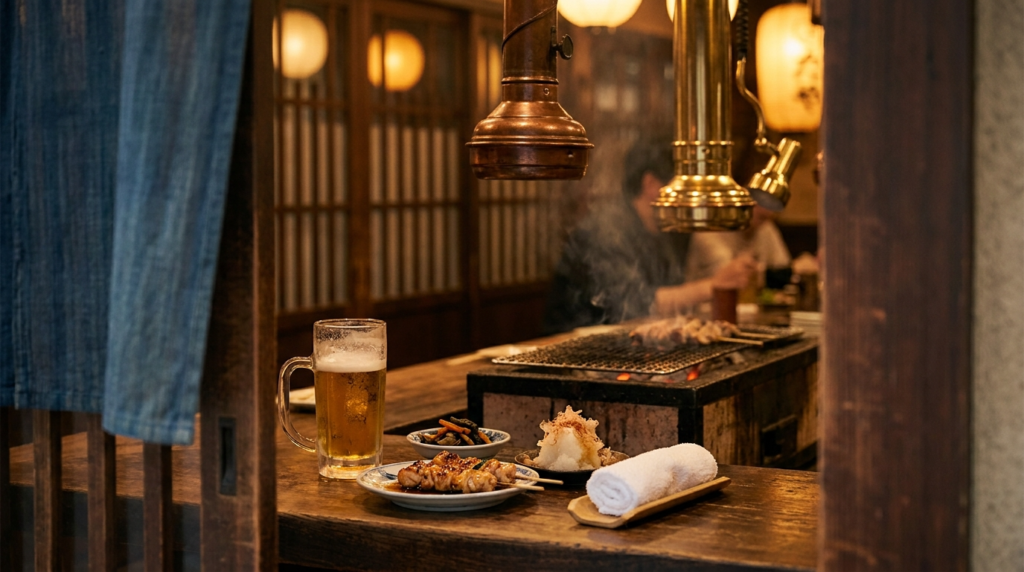
The Izakaya: How Japan Learned to Drink and Eat Together
The Izakaya: How Japan Learned to Drink and Eat Together The word is not a noun for a building. It is a verb for a habit — staying. Everything else about the izakaya, from the small dish you never ordered to the reason the food is named after the drink, grew out of that one act of not leaving. You slide open the doo... -

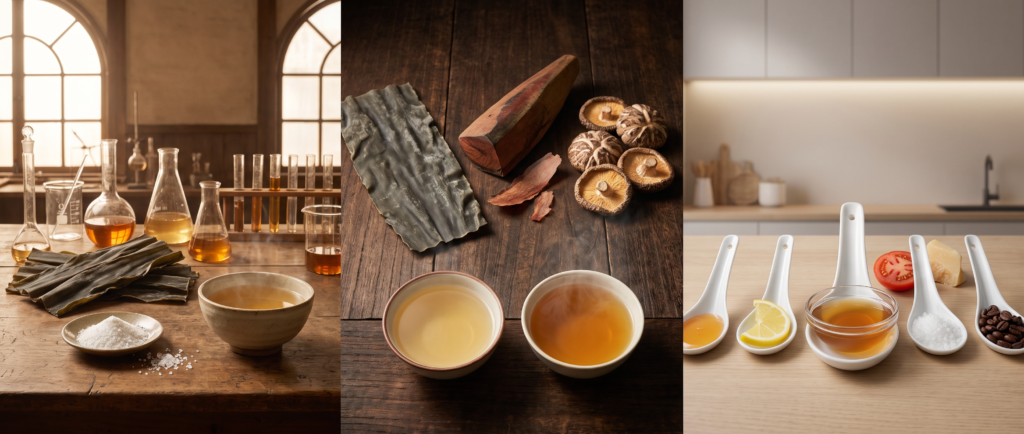
Umami: The Fifth Taste Japan Gave the World
Umami: The Fifth Taste Japan Gave the World For most of a century, Western science recognized four basic tastes. The fifth had already been discovered — in a bowl of kelp broth, by a Tokyo chemist, in 1908 — and it took the world ninety years to catch up. Ask most people to name the basic tastes and they will get to... -
What Japan Actually Registered: Washoku and the UNESCO Misunderstanding
What Japan Actually Registered: Washoku and the UNESCO Misunderstanding In 2013, "washoku" joined UNESCO's list of humanity's intangible heritage. Almost everyone assumes this means sushi, tempura, and ramen were honored. What was actually inscribed is something quieter, stranger, and far more interesting. On Decemb... -
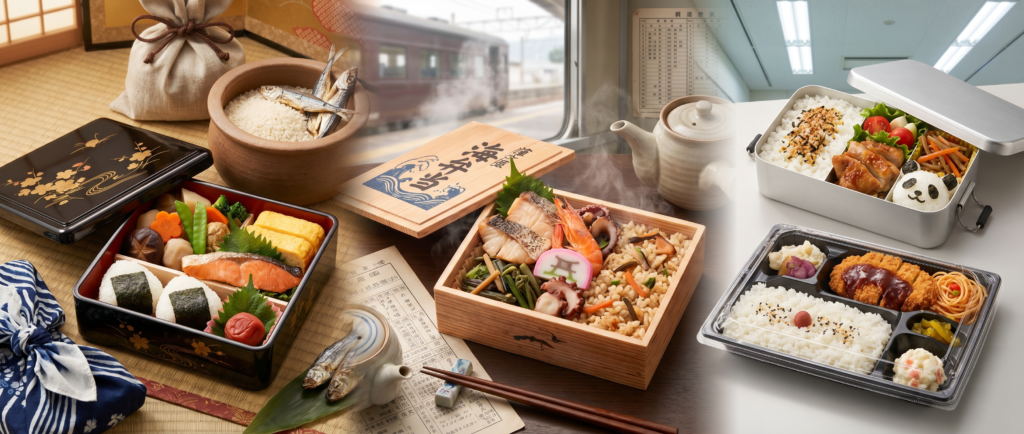
The Box That Traveled: A History of the Japanese Bento
The Box That Traveled: A History of the Japanese Bento From dried rice carried into medieval battlefields to a convenience-store lunch and a rice ball shaped like a cartoon face, the bento is a thousand-year record of a single, quietly persistent idea: that a meal should be able to go with you. Almost every culture ... -
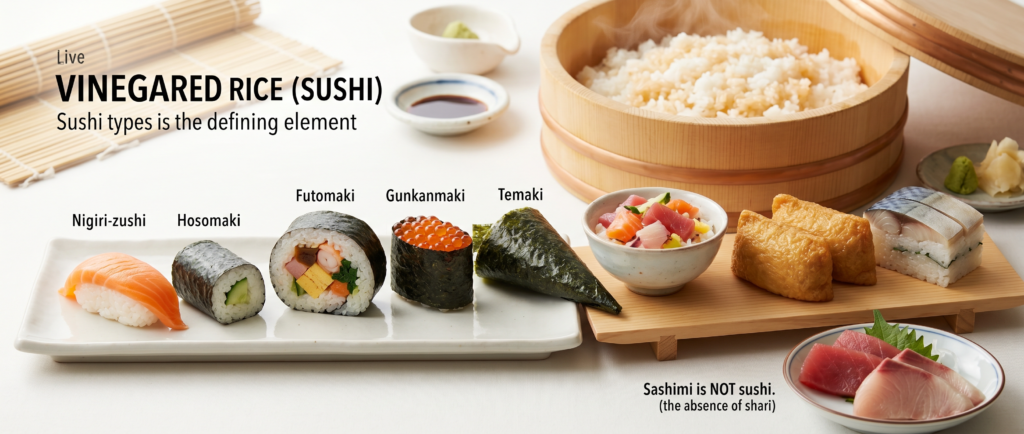
Types of Sushi Explained: Nigiri, Maki, Sashimi & More
Types of Sushi Explained: Nigiri, Maki, Sashimi & More The word "sushi" does not mean what most people think it means. Once you understand what it actually refers to, the entire family of dishes — nigiri, maki, chirashi, inari, and the rest — falls into a logic that is far clearer than any menu suggests. Ask mos... -
Cooking as Devotion: A Guide to Japan’s Zen Temple Cuisine
Shōjin ryōri is Zen Buddhist temple cuisine where cooking becomes spiritual practice. Following Dōgen's 13th-century teachings, it uses plant-based ingredients within the "rule of five" framework, emphasizing mindfulness, seasonal harmony, and waste-nothing principles. -

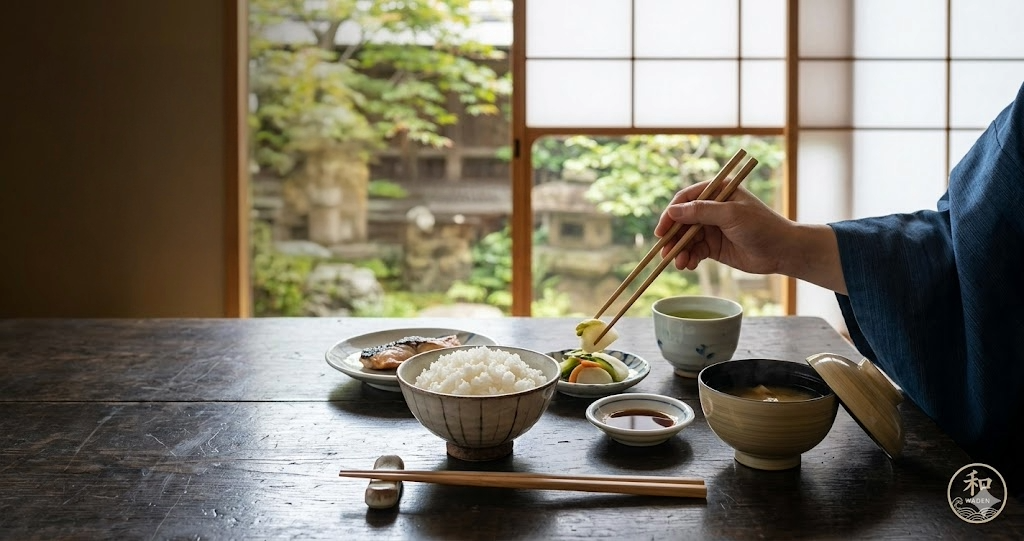
The Unspoken Language of Chopsticks
Japanese chopstick etiquette (hashi) is a system of unspoken rules rooted in culture and ritual, emphasizing respect for the meal, the host, and companions. -
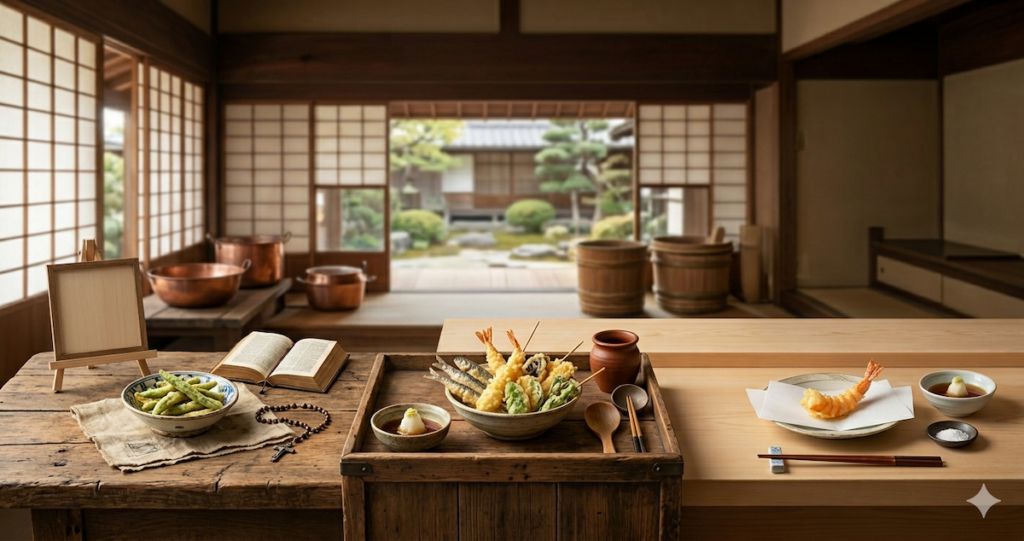
How Tempura Became Japanese: A Five-Hundred-Year Story of Transformation
Tempura evolved from a Portuguese fritter into a refined Japanese dish, shaped by seasonal ingredients, light batter, and precise frying, reflecting Japan’s culinary philosophy and history. -
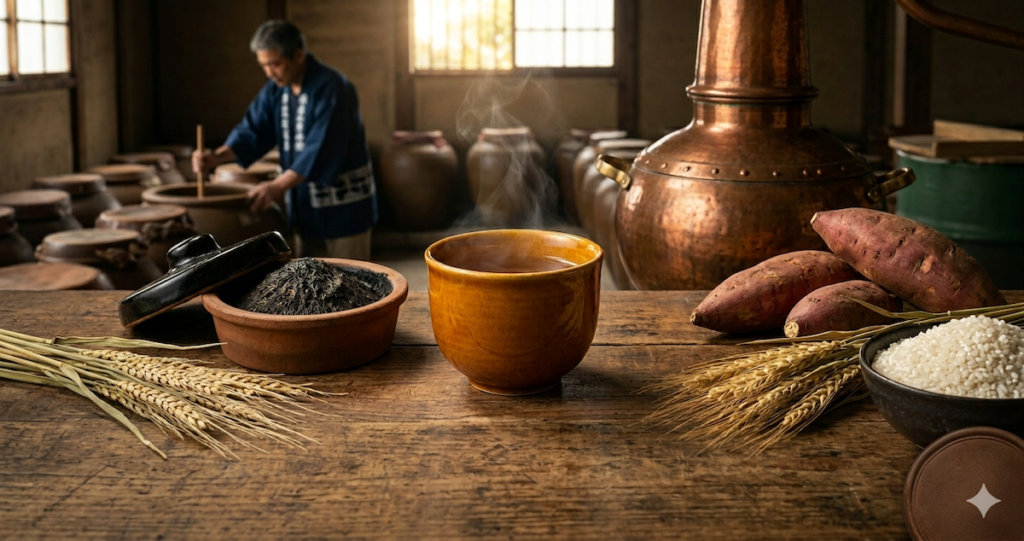
Land, Mold, and Fire: An Introduction to Shochu, Japan’s Everyday Spirit
Shōchū, Japan's most consumed spirit, surpasses sake in popularity and embodies local culture through unique fermentation with koji mold. Its diverse varieties reflect regional ingredients and traditions, inviting slow enjoyment. -
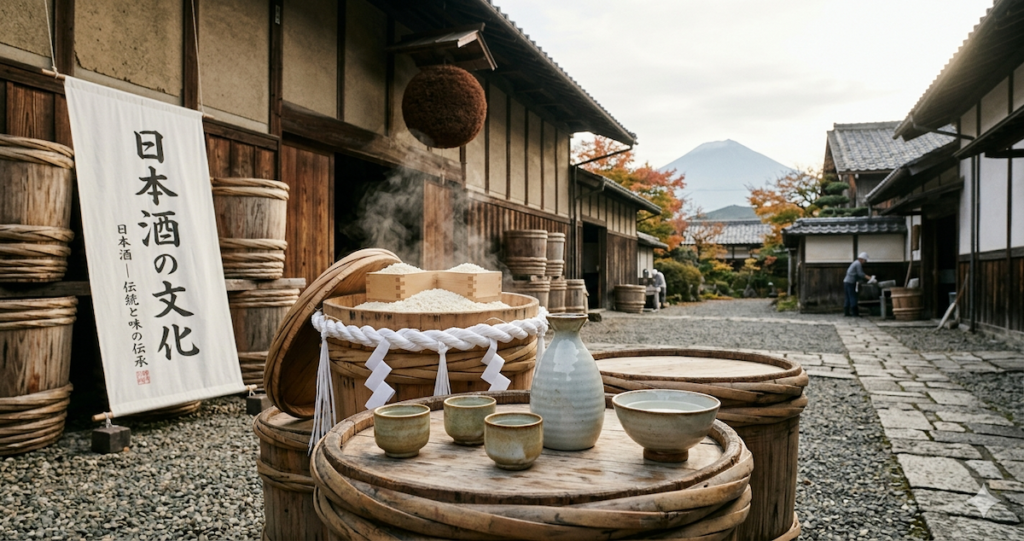
The Drink That Belongs to the Gods: A Story of Sake
The Drink That Belongs to the Gods: A Story of Sake Before sake was a beverage, it was an offering. Before it was enjoyed, it was given away. To understand sake is to understand how deeply Japan has always believed that eating and drinking are not merely human acts — but conversations with something larger. Walk thr... -
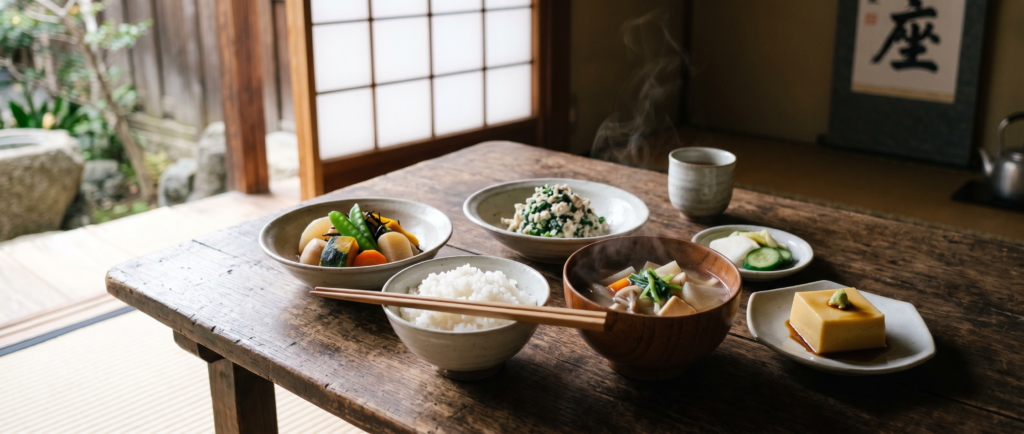
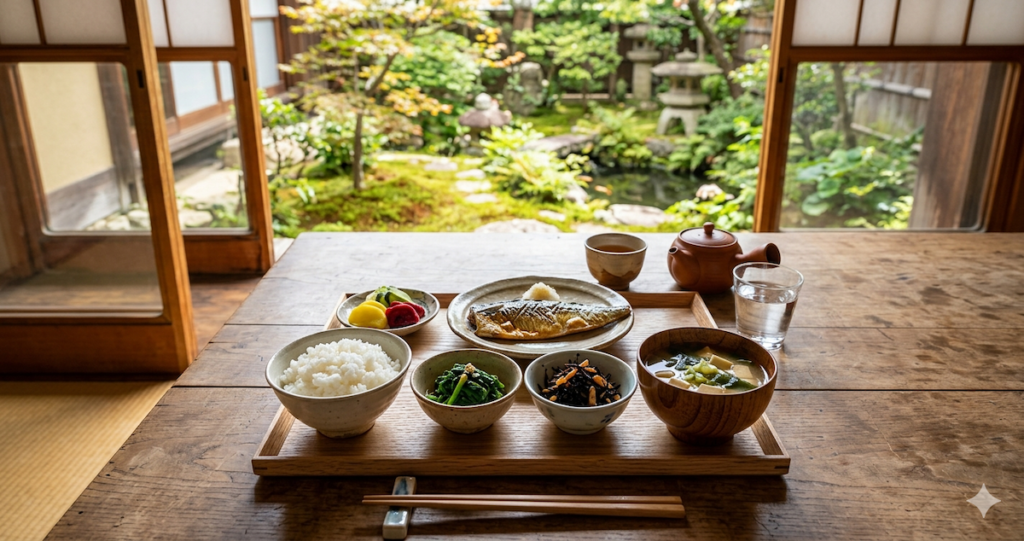
One Soup, Three Dishes: The Framework That Shaped Japanese Eating
One Soup, Three Dishes: The Framework That Shaped Japanese Eating Ichiju sansai is four words in Japanese. It is also the organizing principle behind over a thousand years of Japanese food culture — a structure so quietly functional that most of the people who follow it every day have never needed to name it. Set a ... -
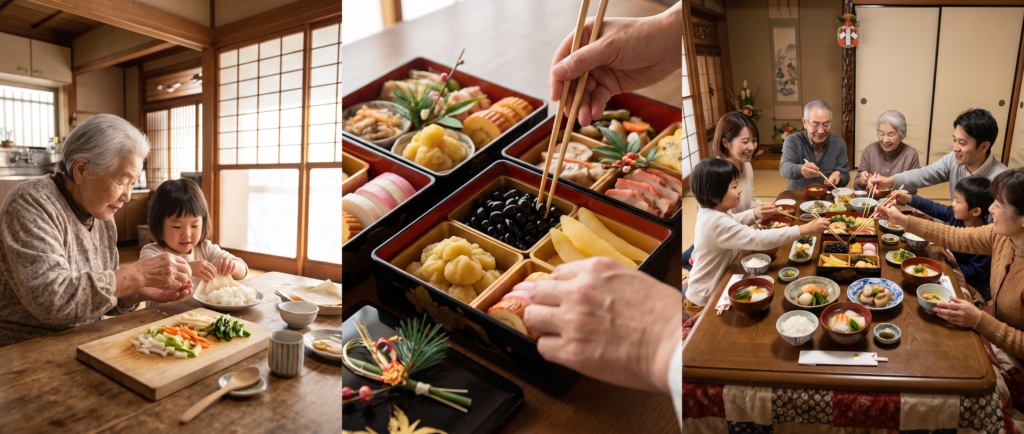
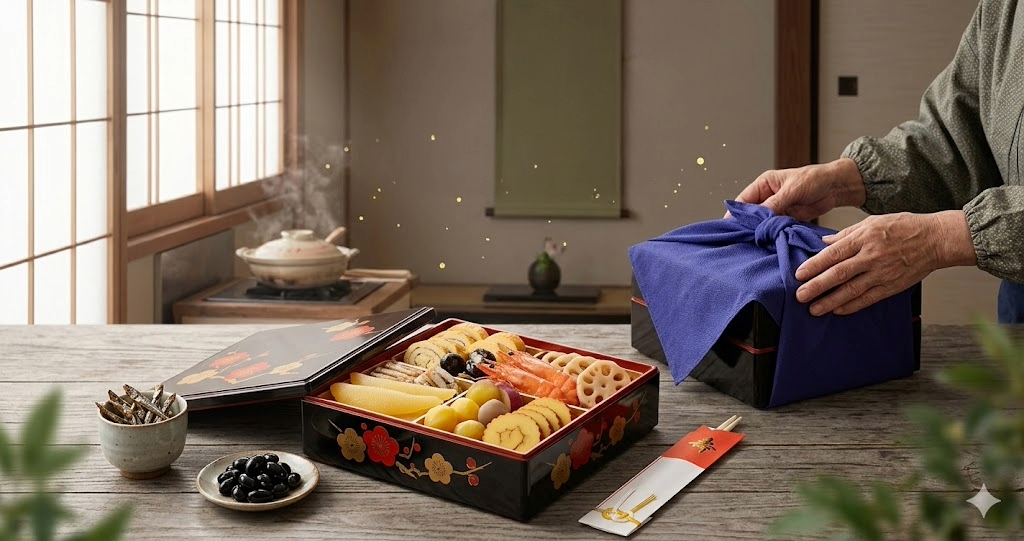
Osechi: New Year in a Lacquer Box
Osechi: New Year in a Lacquer Box Every January, Japanese families open a box that has taken days to fill — each small dish carrying a wish, a wordplay, a piece of history. Osechi is not simply a New Year feast. It is the most complete expression of Japanese food culture as an act of transmission. On the morning of ...
1