kombu– tag –
-

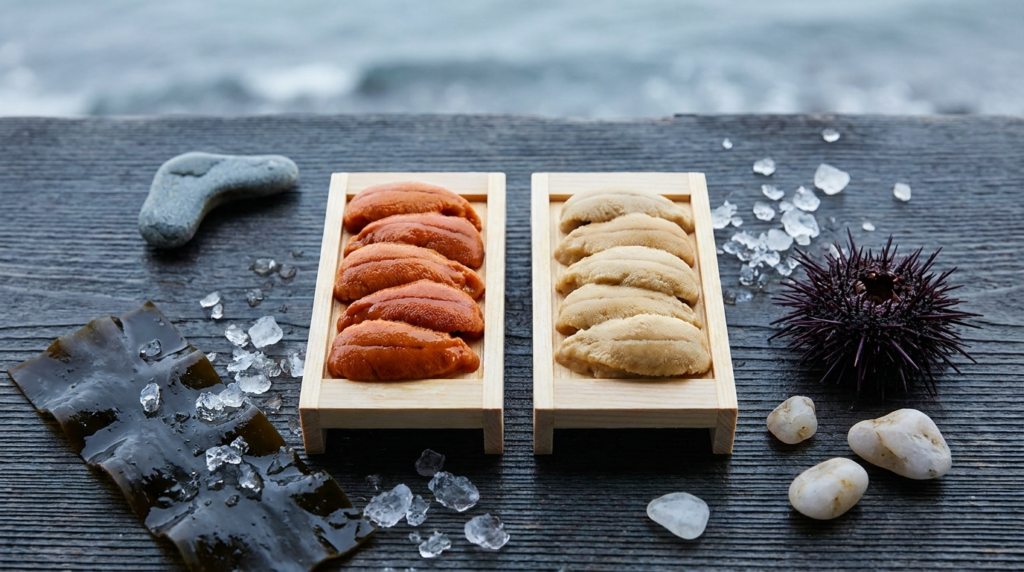
The Uni Coast: Sea Urchin and the Geography of Japan’s Cold Shores
The Uni Coast: Sea Urchin and the Geography of Japan's Cold Shores Four out of every five sea urchins landed in Japan come from two stretches of coastline. It is not an accident of fishing effort. It is a map of where kelp grows — and uni is, in the most literal sense, kelp that has been eaten and rearranged. On a g... -

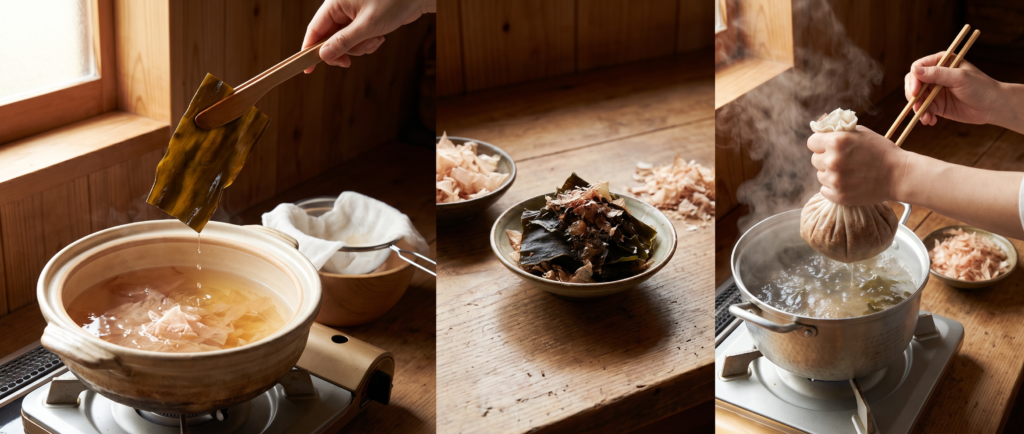
Ichiban and Niban Dashi: The Two Lives of a Handful of Shavings
Ichiban and Niban Dashi: The Two Lives of a Handful of Shavings A professional kitchen draws two entirely different stocks from the same kombu and the same katsuobushi. The first is made in about a minute and treated as perishable. The second is boiled, pressed, and wrung dry. Neither is a lesser version of the othe... -

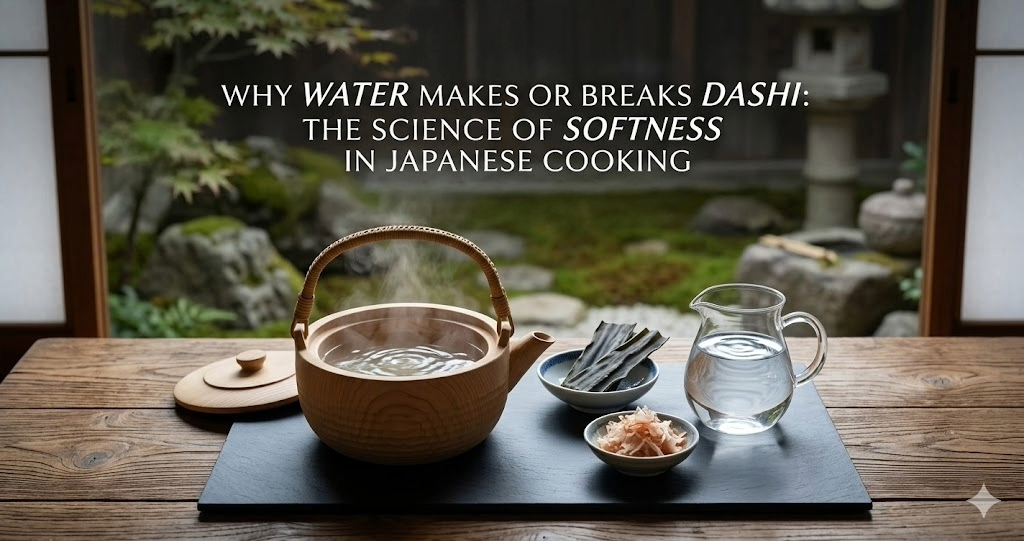
Why Water Makes or Breaks Dashi: The Science of Softness in Japanese Cooking
Water hardness critically affects dashi: soft water enables full umami extraction from kombu and katsuobushi, while hard water blocks it, explaining regional Japanese flavors and why results differ abroad. -
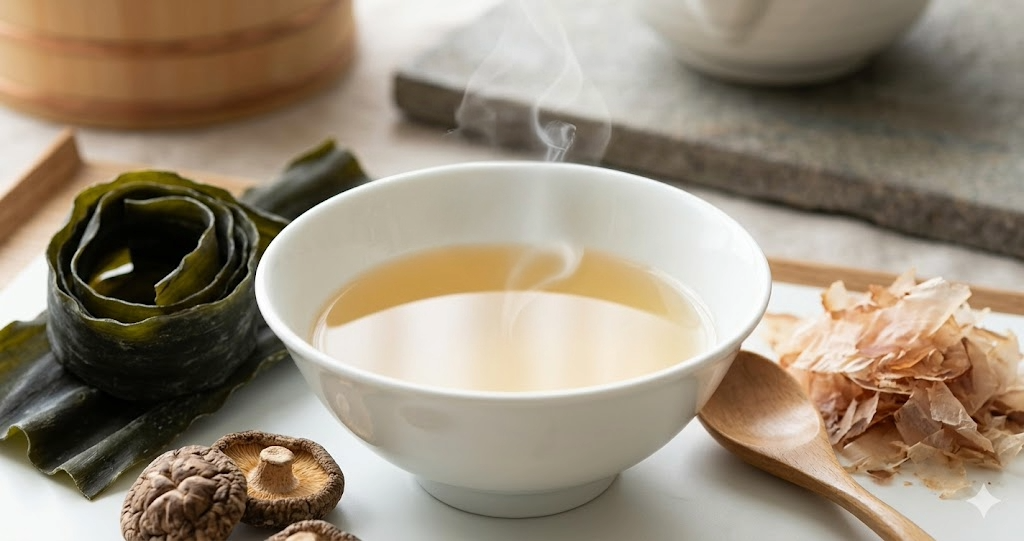
The Philosophy of Dashi: Japan’s Invisible Foundation
The Philosophy of Dashi: Japan's Invisible Foundation Japanese cooks do not make dashi. They draw it. That single verb — hiku, to pull — contains an entire philosophy of cooking, and an answer to why Japanese cuisine tastes the way it does. Set a bowl of good miso soup in front of someone who has never encountered J... -
The Cold Waters of Hokkaido: Where Kombu Begins
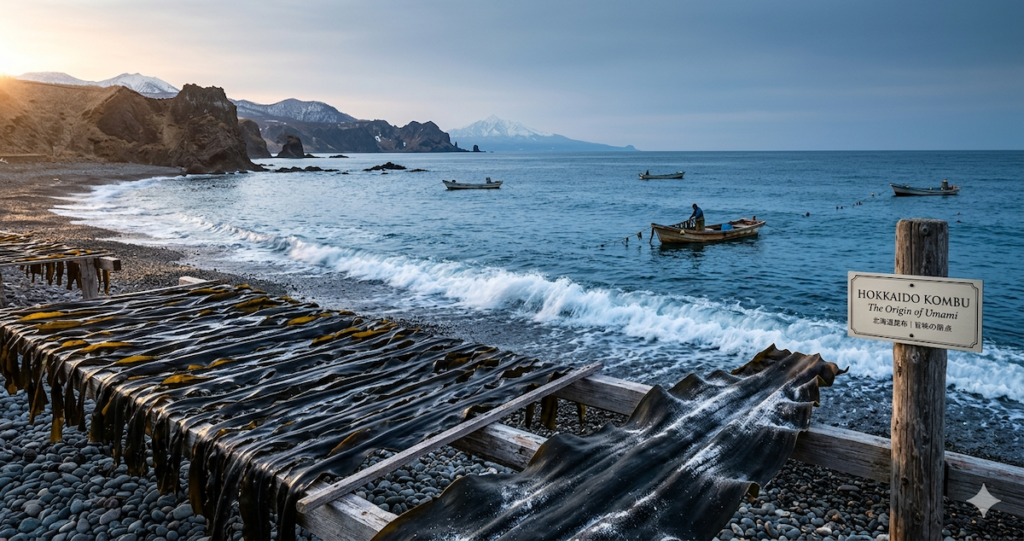
The Cold Waters of Hokkaido: Where Kombu Begins Before the dashi, before the soup, before the dish — there is the sea. Japan's kombu culture begins in the cold currents off Hokkaido, where three distinct coastlines produce three entirely different flavors. Pull a strip of dried kombu from its wrapping and hold it up...
1