shun– tag –
-

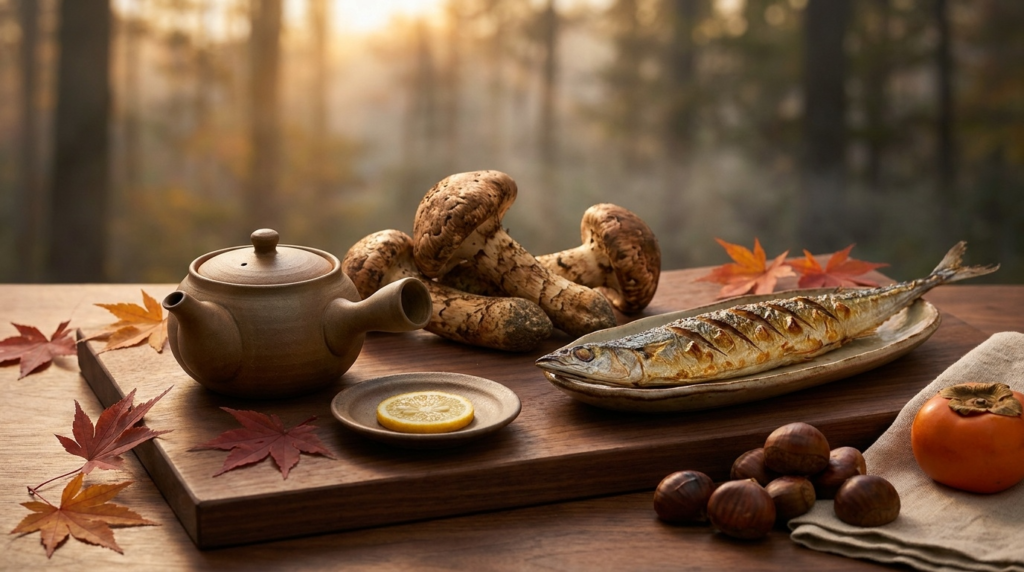
Autumn on the Plate: Matsutake, Sanma, and the Arithmetic of Abundance
Autumn on the Plate: Matsutake, Sanma, and the Arithmetic of Abundance Japan is the only country that names a season after appetite. But the foods that define shokuyoku no aki now arrive with numbers attached — and most of those numbers are counting downward. This is what abundance looks like once it has to be measu... -
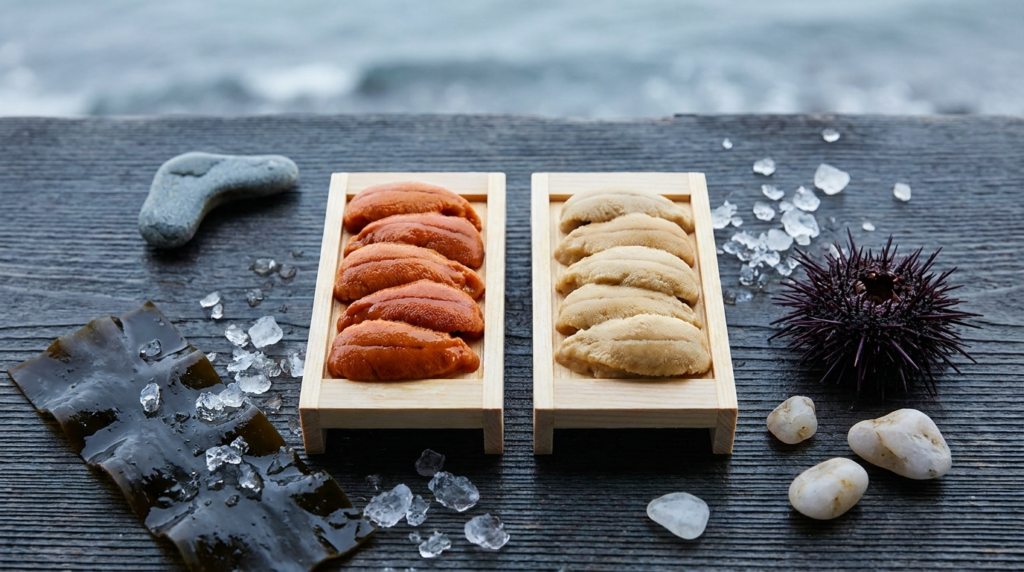
The Uni Coast: Sea Urchin and the Geography of Japan’s Cold Shores
The Uni Coast: Sea Urchin and the Geography of Japan's Cold Shores Four out of every five sea urchins landed in Japan come from two stretches of coastline. It is not an accident of fishing effort. It is a map of where kelp grows — and uni is, in the most literal sense, kelp that has been eaten and rearranged. On a g... -

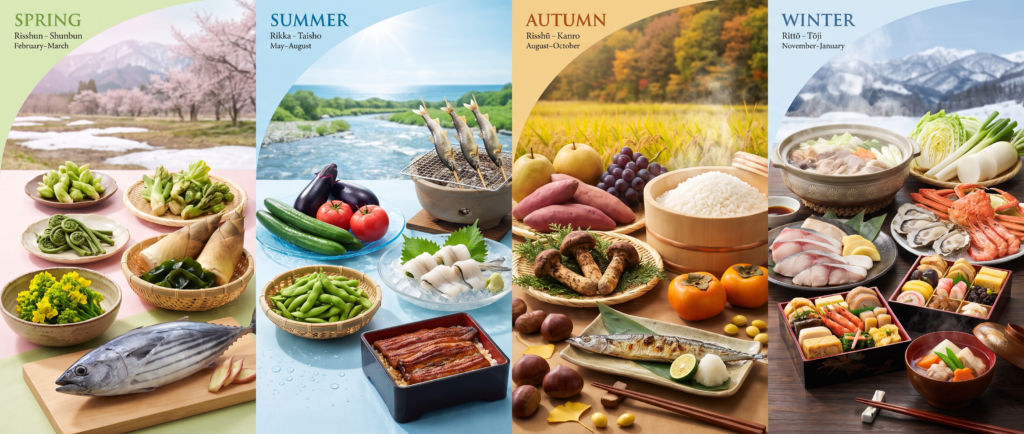
A Year at the Japanese Table: Eating Through the Twenty-Four Sekki
A Year at the Japanese Table: Eating Through the Twenty-Four Sekki Japan divides the year into twenty-four seasons, each about two weeks long. Walk through them in order and you are no longer reading a calendar — you are eating one. Most of the world eats by four seasons, and loosely at that. Japan keeps a finer clo... -

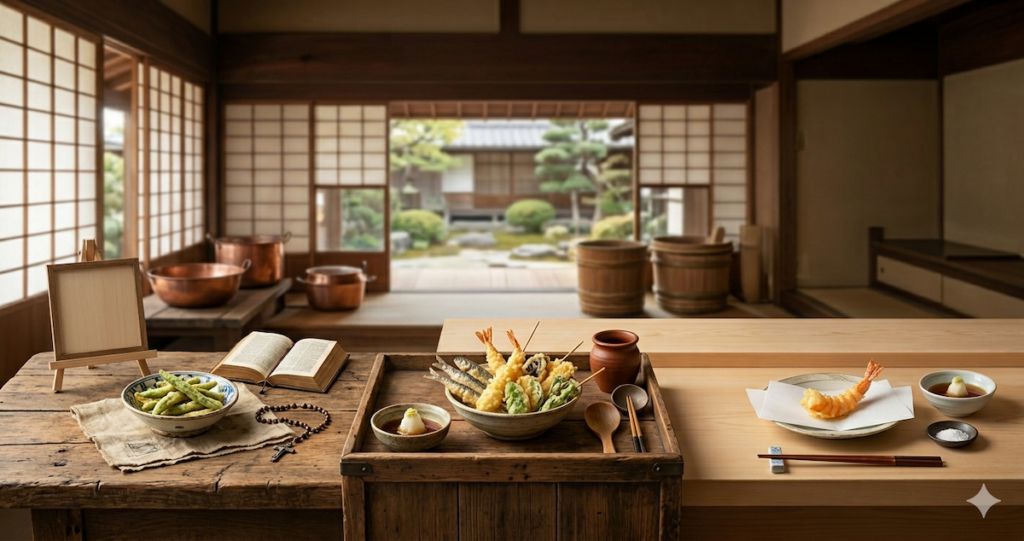
How Tempura Became Japanese: A Five-Hundred-Year Story of Transformation
Tempura evolved from a Portuguese fritter into a refined Japanese dish, shaped by seasonal ingredients, light batter, and precise frying, reflecting Japan’s culinary philosophy and history. -
The Fish That Japan Follows Through the Year: Katsuo and the Meaning of Two Seasons
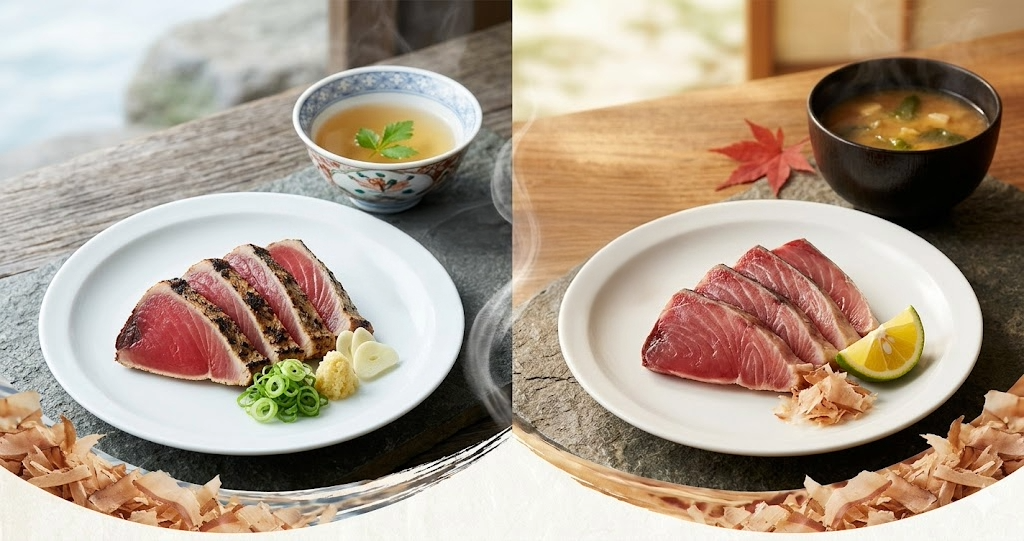
The Fish That Japan Follows Through the Year: Katsuo and the Meaning of Two Seasons No fish is more deeply embedded in the Japanese sense of season than katsuo — known in English as skipjack tuna or bonito — that arrives in spring as a lean harbinger of summer, and returns in autumn transformed, fat and rich, from i... -
Wagashi and the Calendar: A Year in Sweet Form
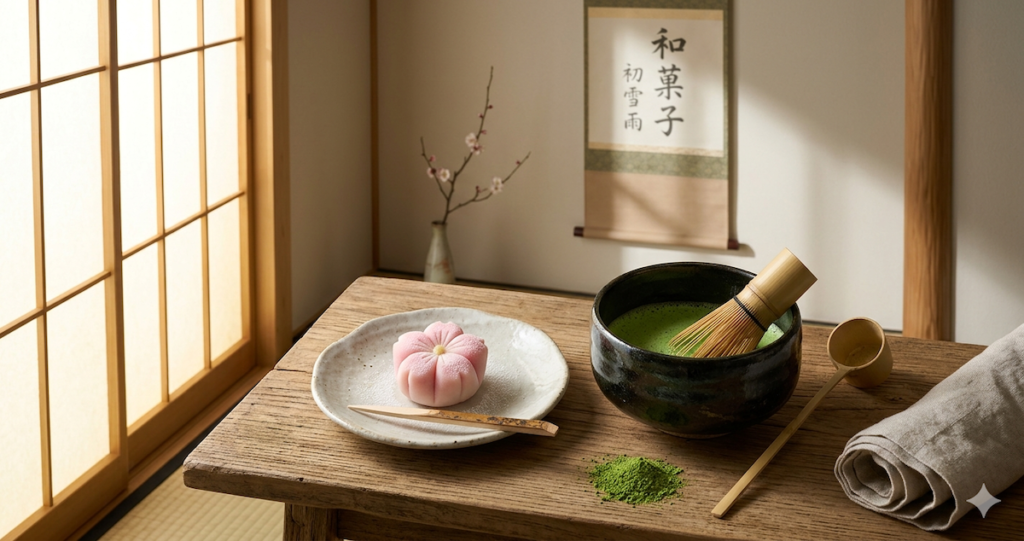
Wagashi and the Calendar: A Year in Sweet Form Before the matcha is prepared, a small sweet arrives. It is shaped like a plum blossom, or a maple leaf, or a crescent moon. It tells you, in the most delicate possible way, exactly what time of year it is. Place a piece of nerikiri in your hand and look at it carefully... -
Shun: How Japan Learned to Eat by the Calendar
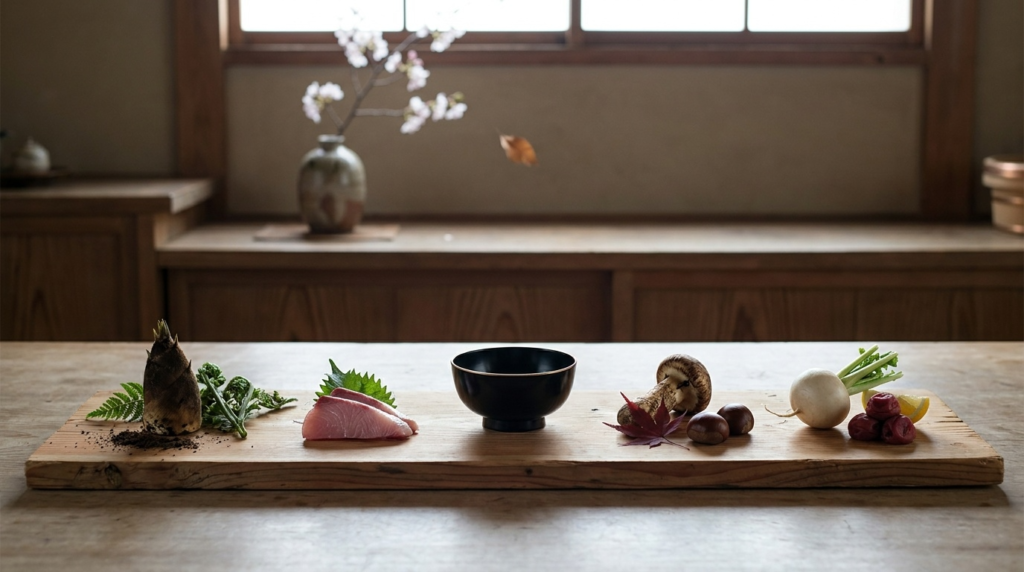
Shun: How Japan Learned to Eat by the Calendar Japan does not simply observe the four seasons. It counts them in twenty-four parts, and then seventy-two more. Behind this precision lies a philosophy of eating that has quietly shaped Japanese cuisine for over a thousand years. In Japan, the question of what to eat is...
1