UMAMIBAKO– tag –
-

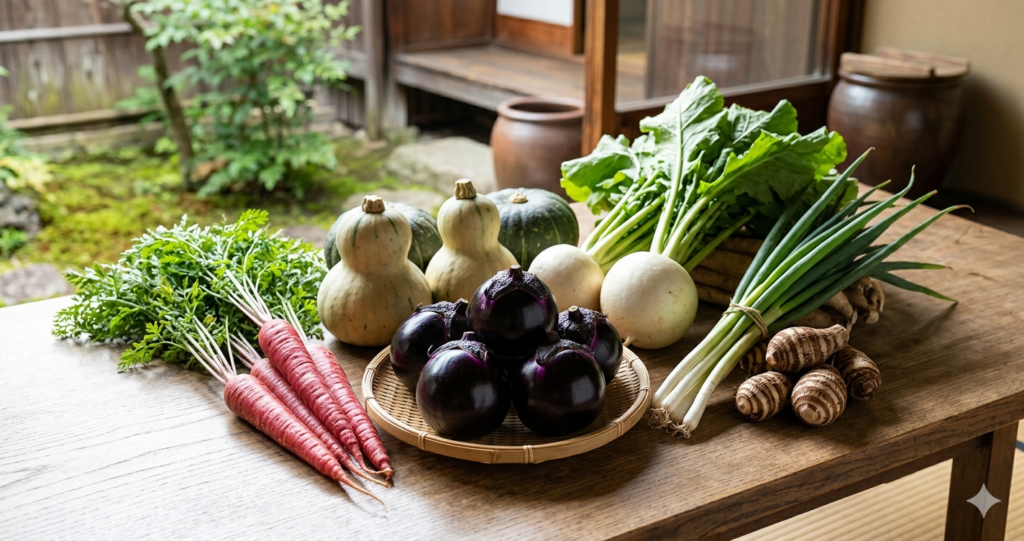
Grown for a Thousand Years: Kyoto’s Extraordinary Heritage Vegetables
Kyoto's traditional heirloom vegetables, or kyoyasai, were shaped over a millennium to meet the exacting demands of imperial, temple, and haute cuisine, prioritizing exceptional flavor and texture over durability. -
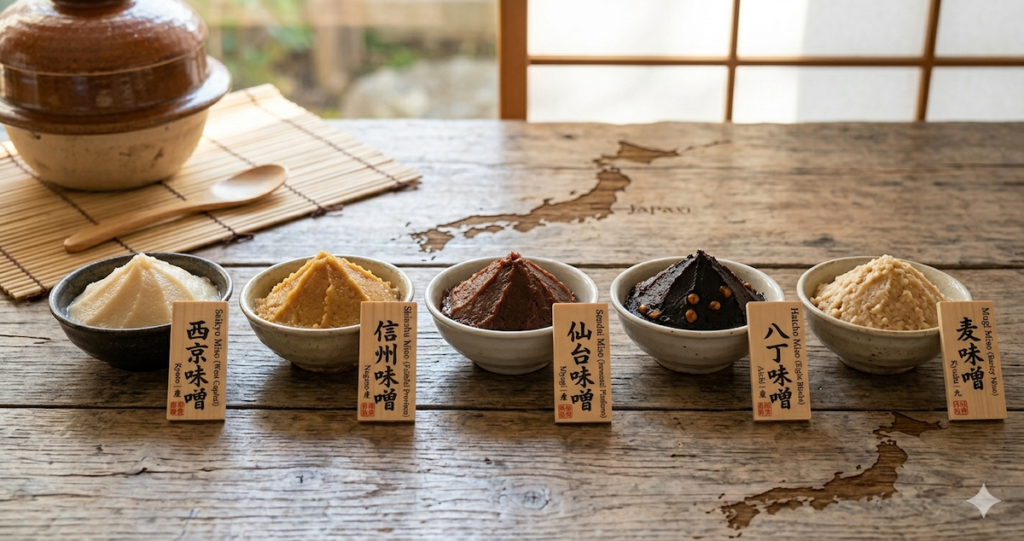
A Country in a Jar: How Japan’s Regions Shaped Miso Into Many Different Worlds
Japan’s miso varies by region, shaped by climate, ingredients, and fermentation, creating diverse flavors from sweet Kyoto saikyo to rich Aichi hatcho, each reflecting local culture. -
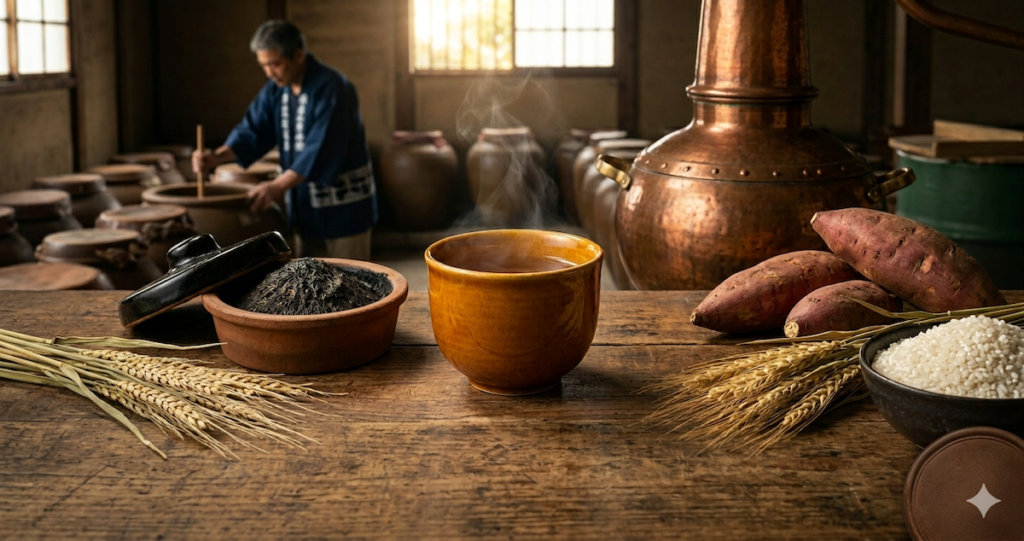
Land, Mold, and Fire: An Introduction to Shochu, Japan’s Everyday Spirit
Shōchū, Japan's most consumed spirit, surpasses sake in popularity and embodies local culture through unique fermentation with koji mold. Its diverse varieties reflect regional ingredients and traditions, inviting slow enjoyment. -
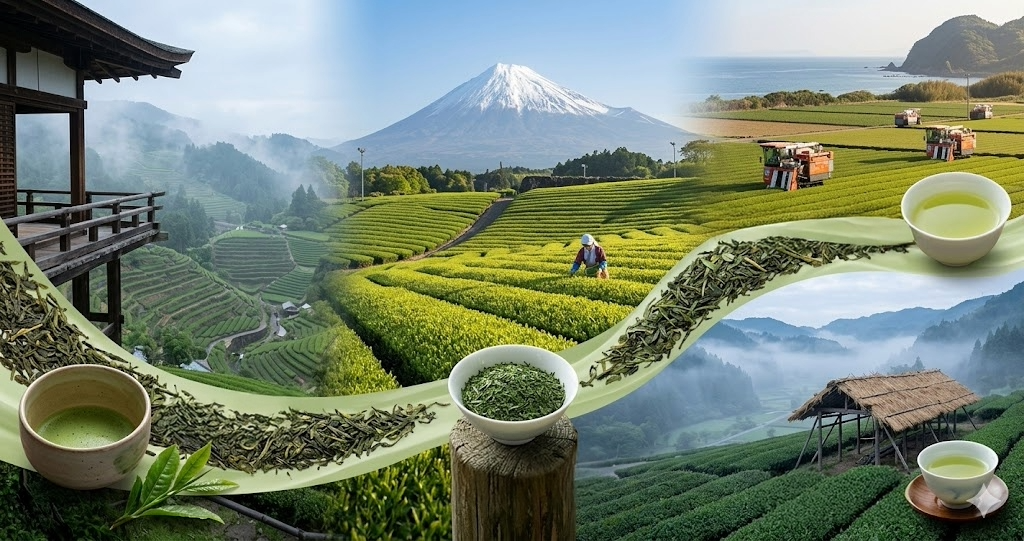
Where Tea Becomes Itself: The Regional Geography of Japanese Green Tea
Where Tea Becomes Itself: The Regional Geography of Japanese Green Tea The same species of plant, grown fifty kilometers apart, produces two teas so different in flavor they seem to come from different worlds. Japan's tea regions are not simply growing areas. They are distinct expressions of soil, altitude, water, a... -
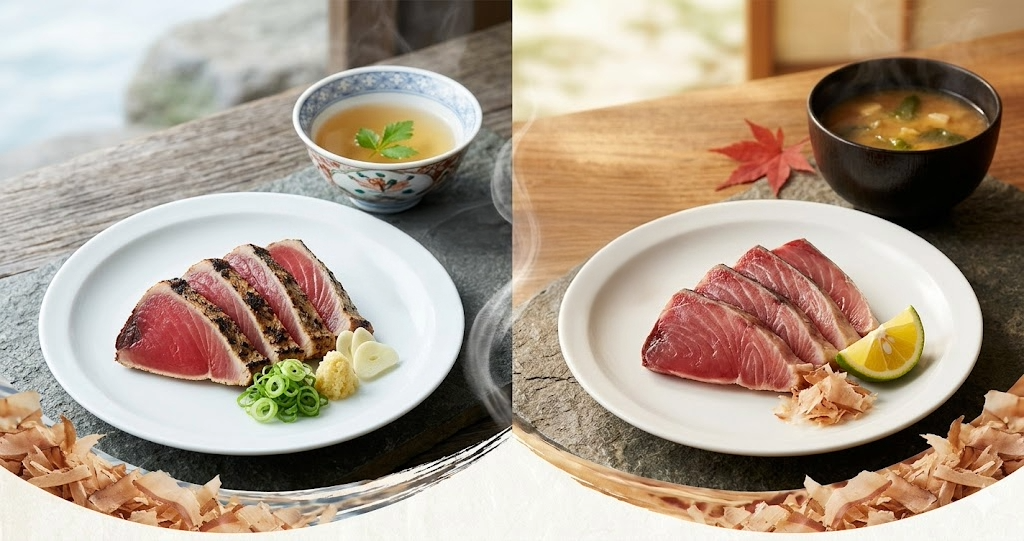
The Fish That Japan Follows Through the Year: Katsuo and the Meaning of Two Seasons
The Fish That Japan Follows Through the Year: Katsuo and the Meaning of Two Seasons No fish is more deeply embedded in the Japanese sense of season than katsuo — known in English as skipjack tuna or bonito — that arrives in spring as a lean harbinger of summer, and returns in autumn transformed, fat and rich, from i... -
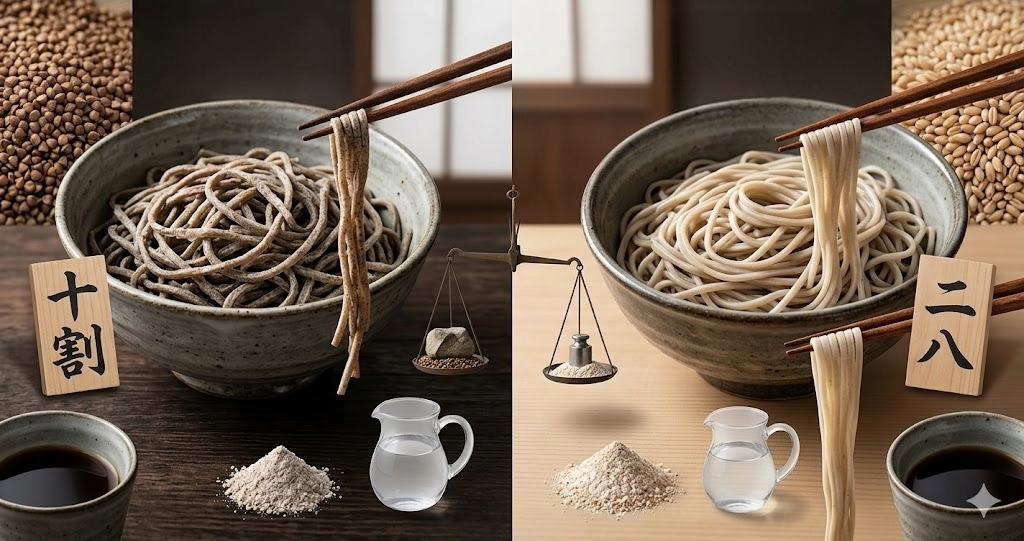
The Craft of Soba: What the Ratio Reveals
The Craft of Soba: What the Ratio Reveals A soba noodle is made from two things: buckwheat and water. The question is how much of each, and what that choice costs the craftsperson — and reveals to the person eating. There is a question that a serious soba shop must answer before it opens each morning: what ratio? Th... -
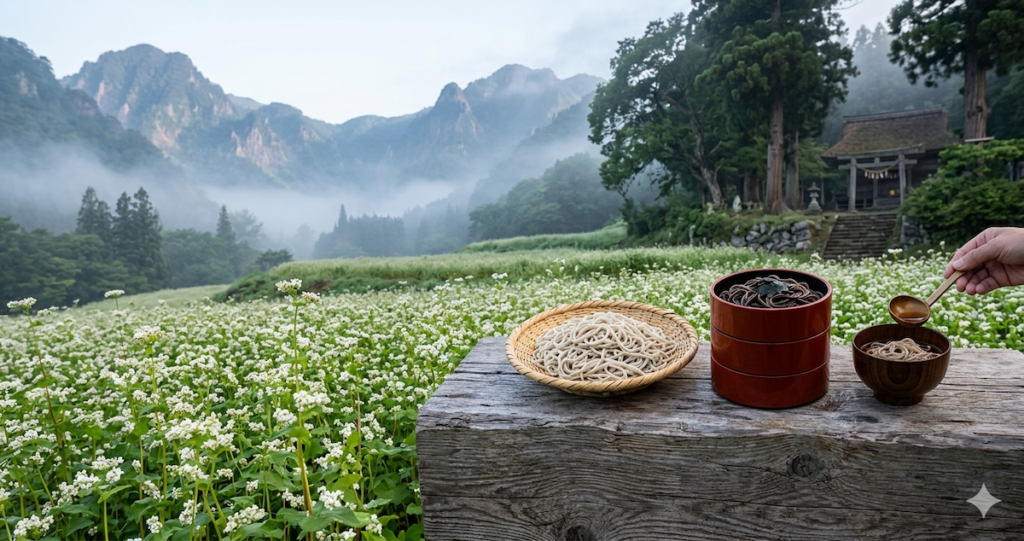
The Geography of Soba: How Place Shapes a Noodle
The Geography of Soba: How Place Shapes a Noodle Buckwheat grows where rice cannot — in cold highlands, volcanic soils, and mountain villages that have shaped some of Japan's most distinctive regional food cultures. To eat soba is to eat a landscape. Order a bowl of soba in Tokyo and you will receive something quite... -

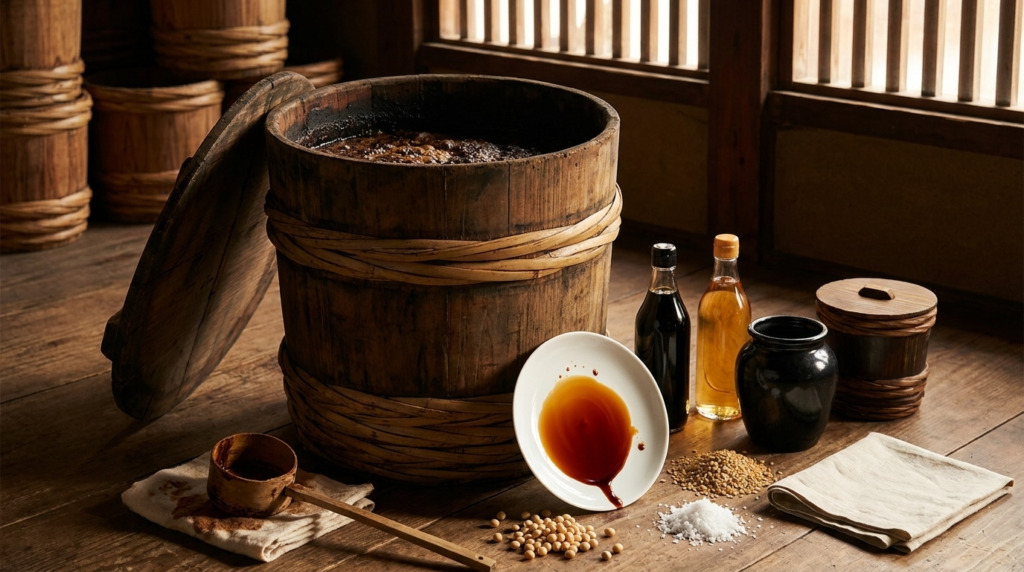
Inside the Soy Sauce Barrel: Japan’s Most Patient Condiment
Inside the Soy Sauce Barrel: Japan's Most Patient Condiment Four ingredients. Two years. Hundreds of aromatic compounds. The story of Japanese soy sauce is a story about time — and about what happens when you give fermentation the space to do its work properly. Pour a few drops of good Japanese soy sauce onto a whit... -
How to Cook Rice Like It Matters
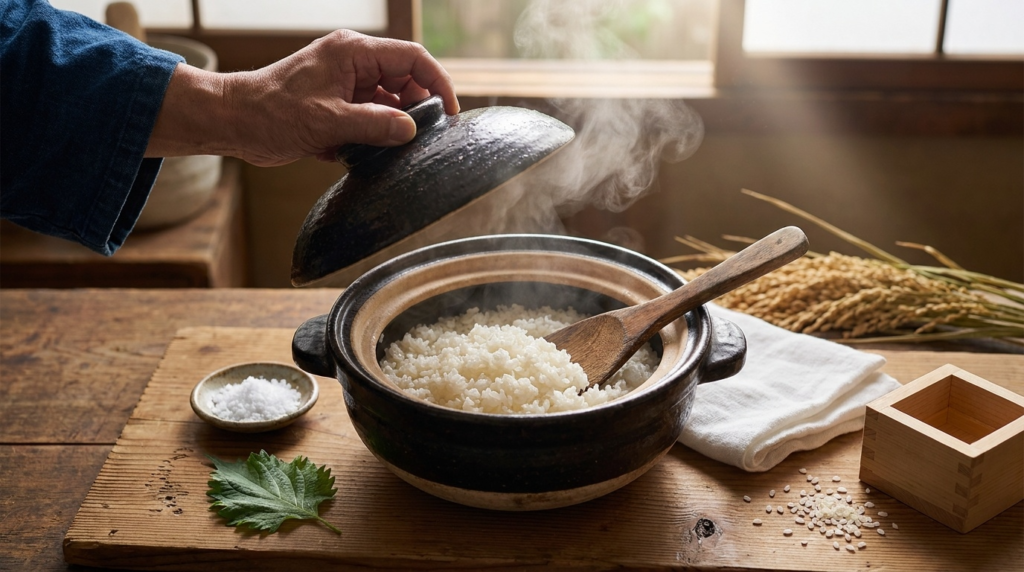
How to Cook Rice Like It Matters In Japan, rice is not a side dish. It is the center of the meal, the measure of a cook's attention, and a living expression of respect — for the ingredient, for the season, and for the people at the table. There is a Japanese word — gohan — that means both "cooked rice" and "meal." T... -
Soybeans, Salt, and Time: What Miso Is, and Why It Tastes the Way It Does
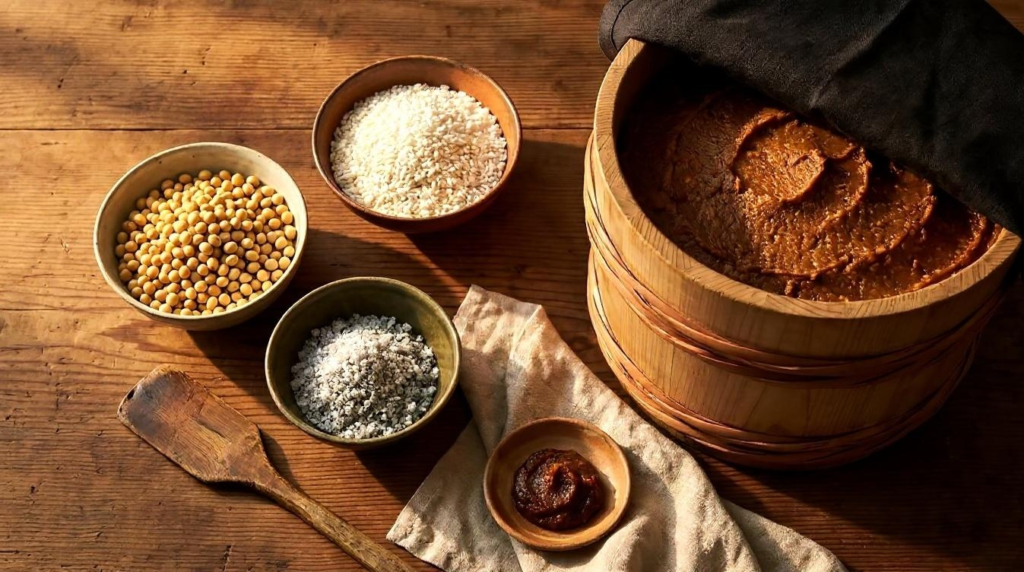
Soybeans, Salt, and Time: What Miso Is, and Why It Tastes the Way It Does Inside Japan's oldest pantry staple — the soybeans, the salt, the koji, and the months of patient transformation that make miso unlike anything else on earth. Open a tub of good miso and bring it close. Before you taste it, smell it. There is ...
1