washoku– tag –
-

Matcha vs Green Tea: What’s the Difference?
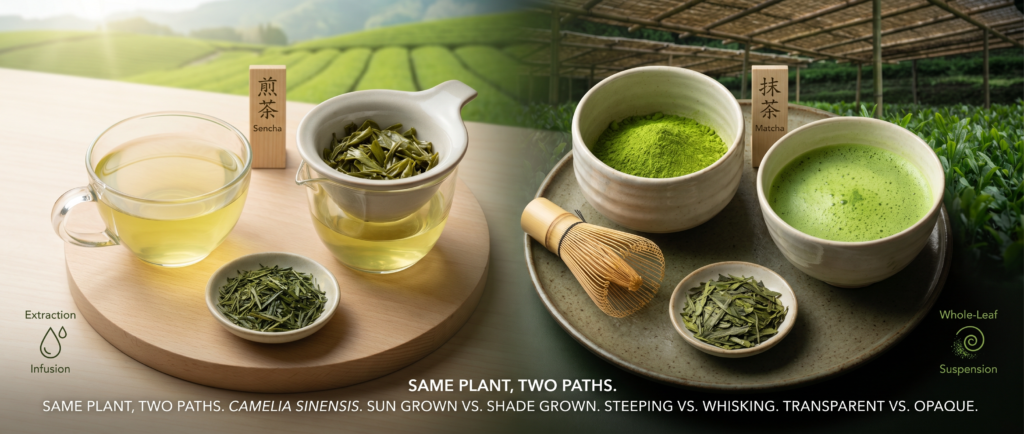
Matcha vs Green Tea: What's the Difference? They come from the same plant — the same species, often the same regions. But one is steeped and strained away, and the other is shaded, ground, and swallowed whole. That single difference changes everything about how they taste, how they are made, and what they do. It sur... -
American Wagyu vs Japanese Wagyu: What’s the Difference?
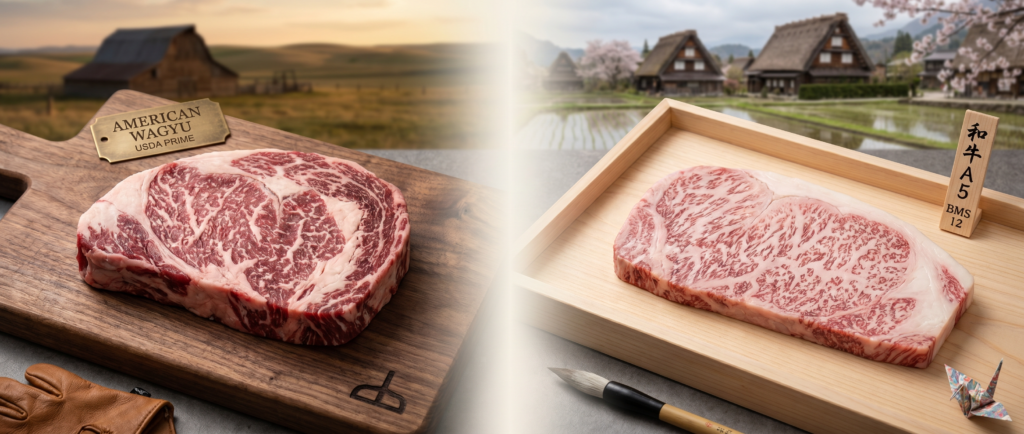
American Wagyu vs Japanese Wagyu: What's the Difference? They share a name, a genetic ancestry, and a reputation for extraordinary marbling. But one is a purebred animal raised within a closed national system, and the other is a hybrid born of an export that Japan eventually moved to stop. The difference begins with... -
Types of Sushi Explained: Nigiri, Maki, Sashimi & More
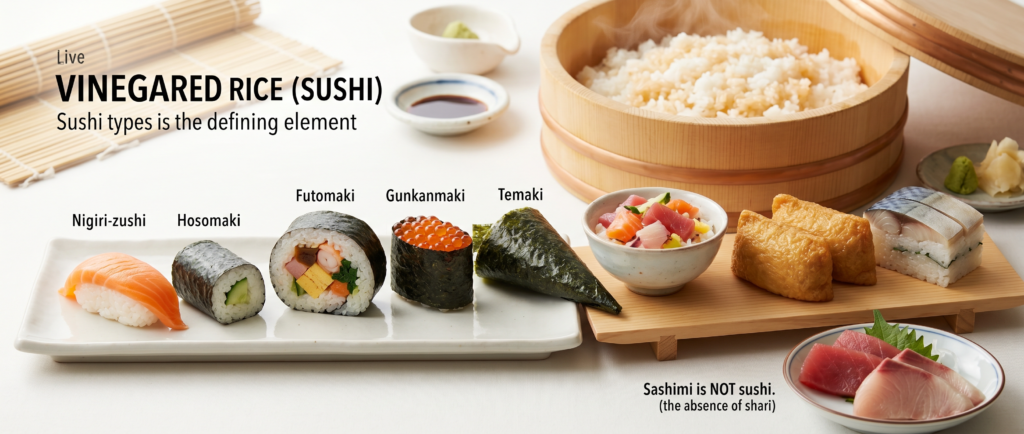
Types of Sushi Explained: Nigiri, Maki, Sashimi & More The word "sushi" does not mean what most people think it means. Once you understand what it actually refers to, the entire family of dishes — nigiri, maki, chirashi, inari, and the rest — falls into a logic that is far clearer than any menu suggests. Ask mos... -
The Four Tares: Shio, Shoyu, Miso & Tonkotsu Explained
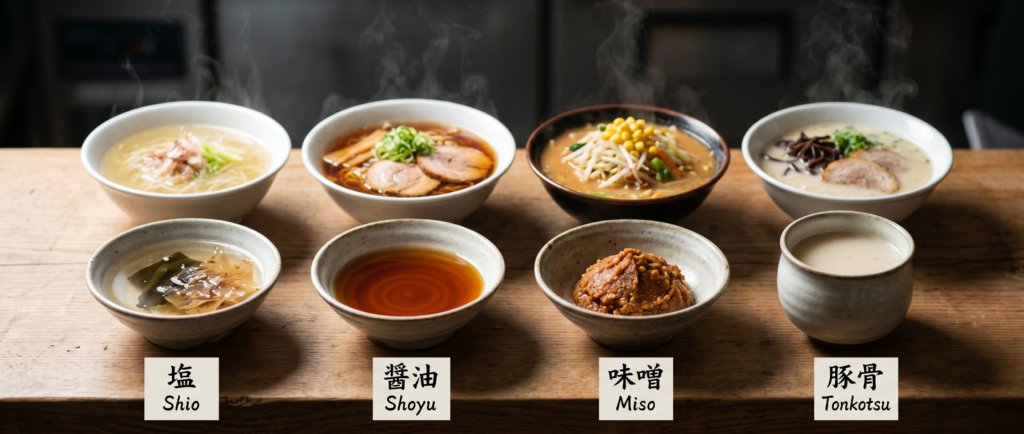
The Four Tares: Shio, Shoyu, Miso & Tonkotsu Explained Every bowl of ramen is named for one of these four words. But only three of them are the same kind of thing — and understanding why the fourth is different is the clearest way to understand how a bowl of ramen is actually built. Walk into a ramen shop anywhe... -
The Rice Was Always the Point: Shari and the Hidden Half of Sushi
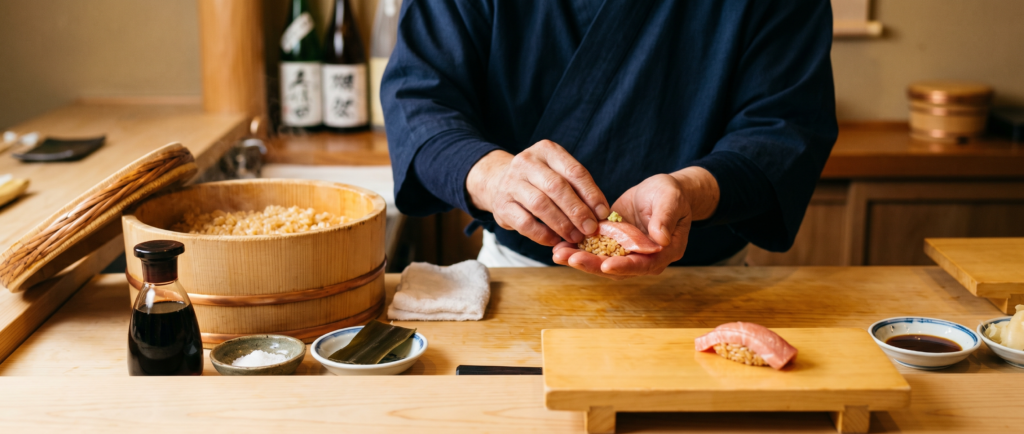
The Rice Was Always the Point: Shari and the Hidden Half of Sushi Every conversation about sushi begins with the fish. But ask a master what defines their craft, and the answer is almost always the rice — its temperature, its seasoning, and the vinegar that has quietly shaped Edo-style sushi for over two hundred yea... -
Cooking as Devotion: A Guide to Japan’s Zen Temple Cuisine
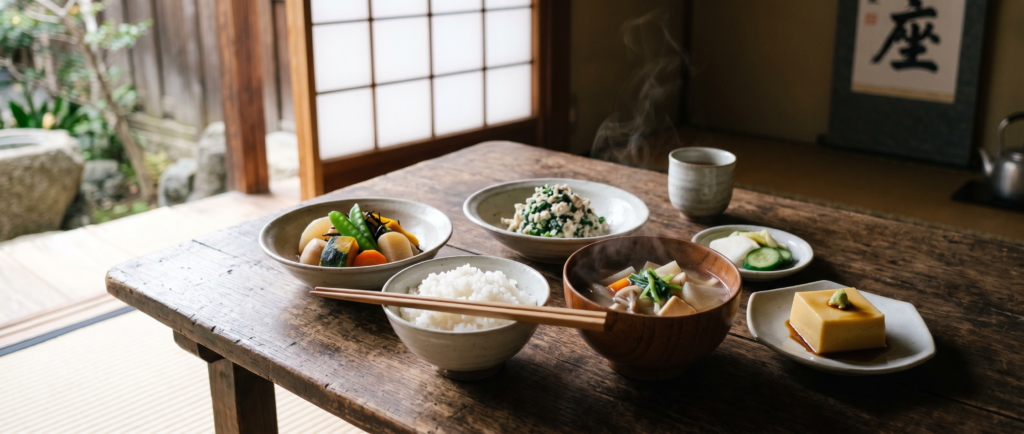
Shōjin ryōri is Zen Buddhist temple cuisine where cooking becomes spiritual practice. Following Dōgen's 13th-century teachings, it uses plant-based ingredients within the "rule of five" framework, emphasizing mindfulness, seasonal harmony, and waste-nothing principles. -

Grown for a Thousand Years: Kyoto’s Extraordinary Heritage Vegetables
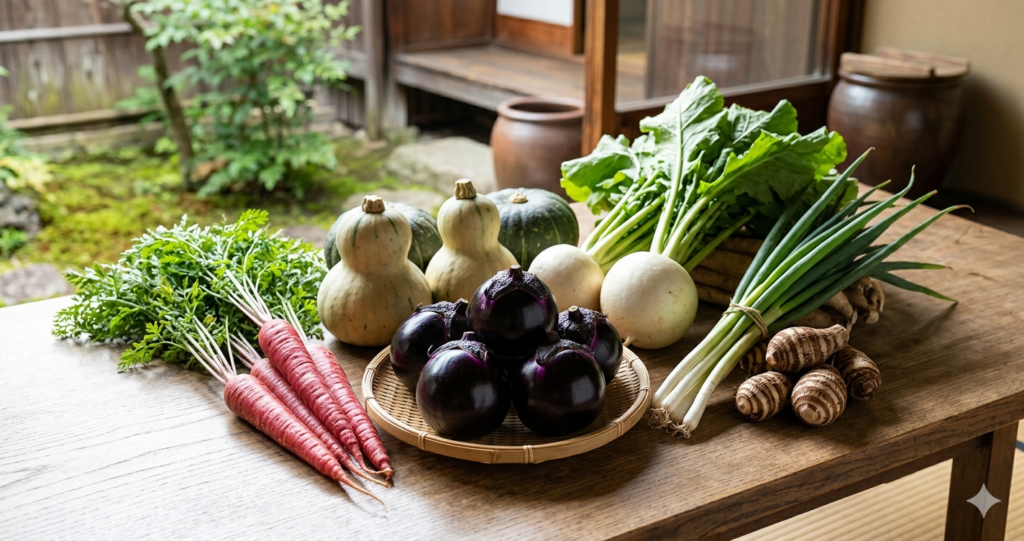
Kyoto's traditional heirloom vegetables, or kyoyasai, were shaped over a millennium to meet the exacting demands of imperial, temple, and haute cuisine, prioritizing exceptional flavor and texture over durability. -
Before Soy Sauce
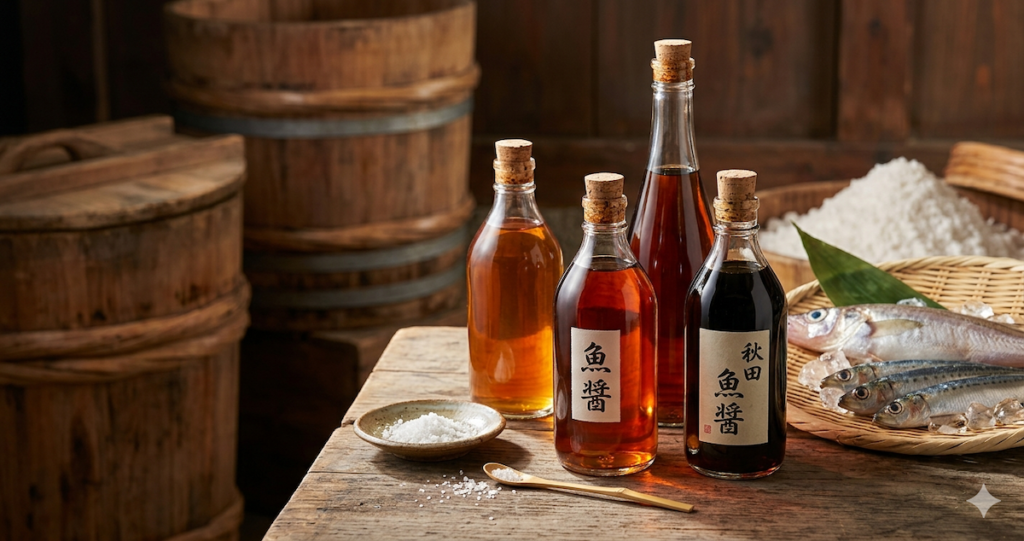
Before soy sauce, gyosho (fish sauce) was Japan’s essential seasoning. This guide explores the history, science, and the three major regional traditions: Shottsuru, Ishiru, and Ikanago Shoyu. -
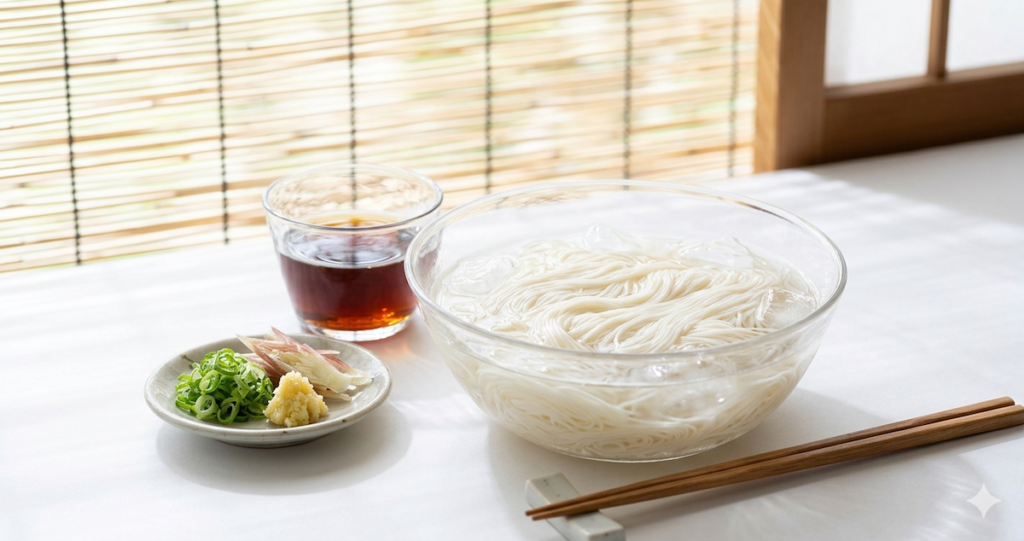
The Thinnest Thread: Somen
This article explores the 1,200-year history and "tenobe" hand-stretching technique of Japanese sōmen, highlighting its role as a delicate summer staple and its regional varieties across Japan. -
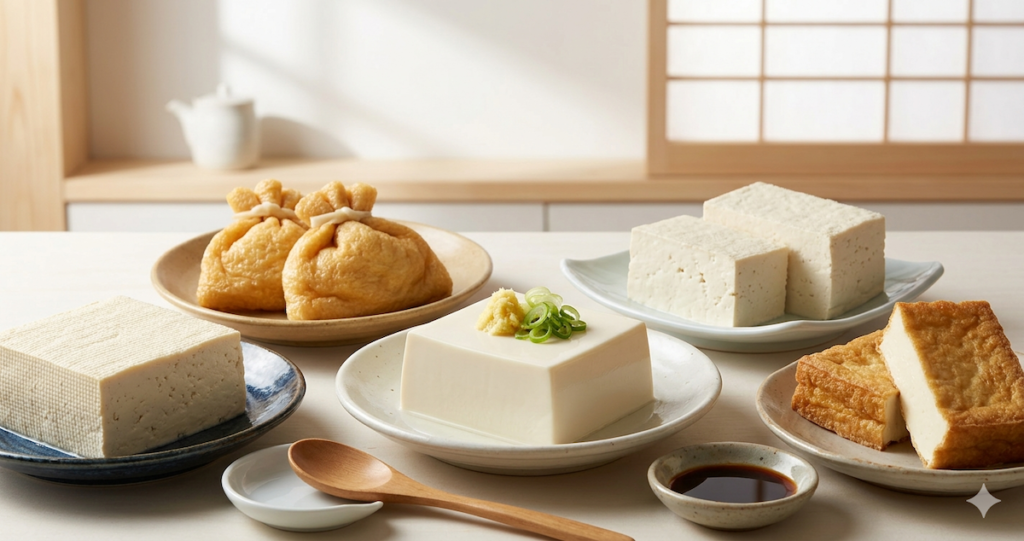
The White Block That Feeds a Nation: Tofu
This guide explores Japanese tofu’s rich history and techniques, detailing foundational varieties like momen and kinu, transformed styles like aburaage, and its essential role in Zen Buddhist shōjin ryōri cuisine. -
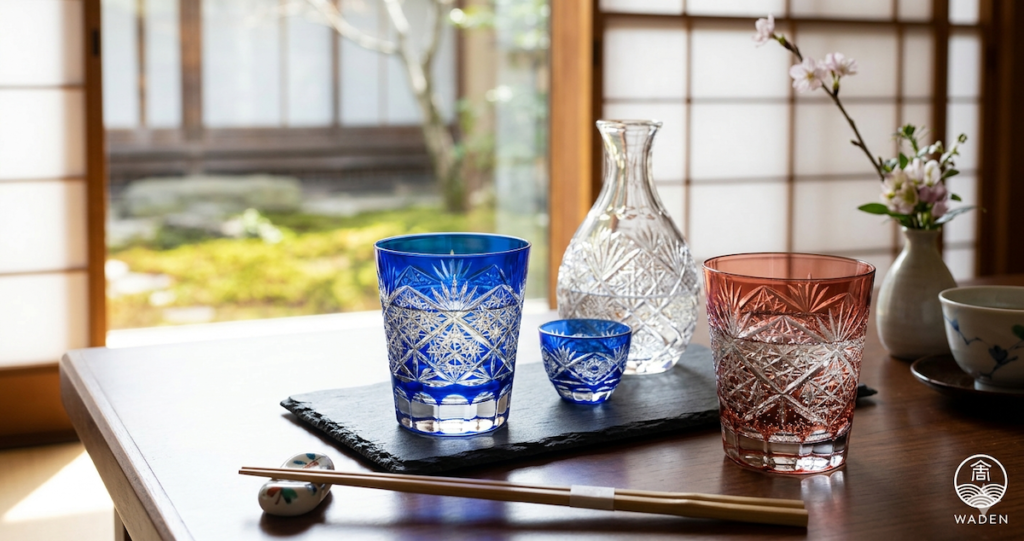
The Glass That Cuts Light
This article introduces Kiriko, Japan's traditional geometric cut glass art, detailing its history, the distinct Edo and Satsuma traditions, the handcrafted production process, auspicious patterns, and its elegant use at the table. -
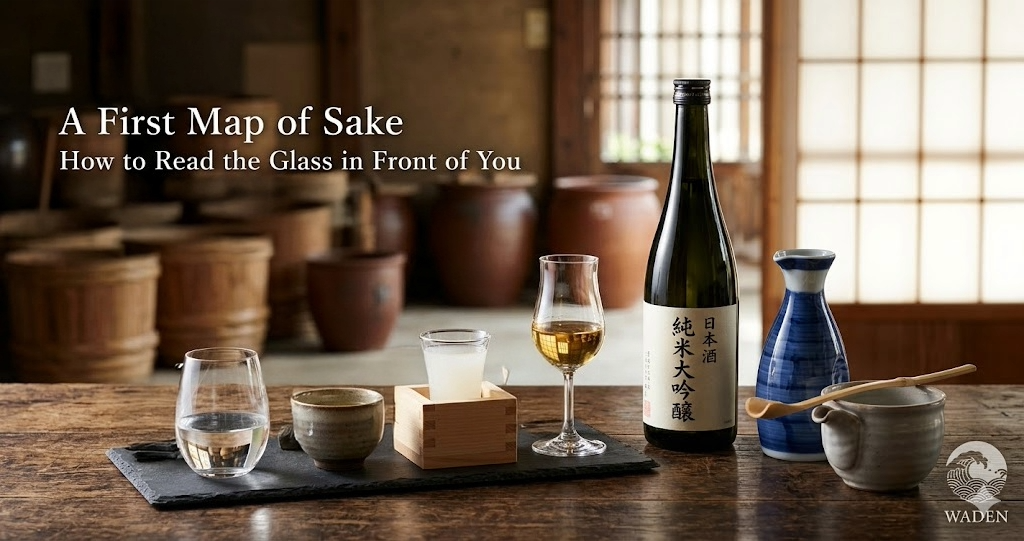
A First Map of Sake
This guide demystifies Japanese sake by explaining the two core variables: rice polishing ratios and added alcohol, helping readers navigate classifications from Junmai and Honjojo to premium Ginjo and Daiginjo.