umami– tag –
-

Harder Than Rock Salt: Katsuobushi and the Mould That Dries a Fish From the Inside
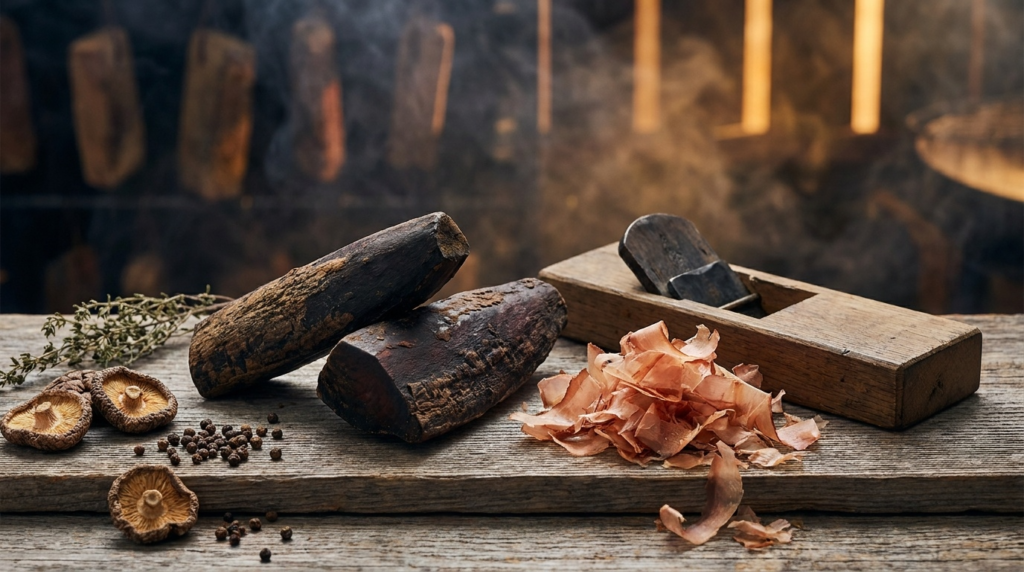
Harder Than Rock Salt: Katsuobushi and the Mould That Dries a Fish From the Inside Known in English as bonito flakes, a finished block of katsuobushi rings when you strike it. Getting there takes six months, ten fires, and four generations of a fungus that thrives in conditions close to a desert — and whose entire j... -

Ichiban and Niban Dashi: The Two Lives of a Handful of Shavings
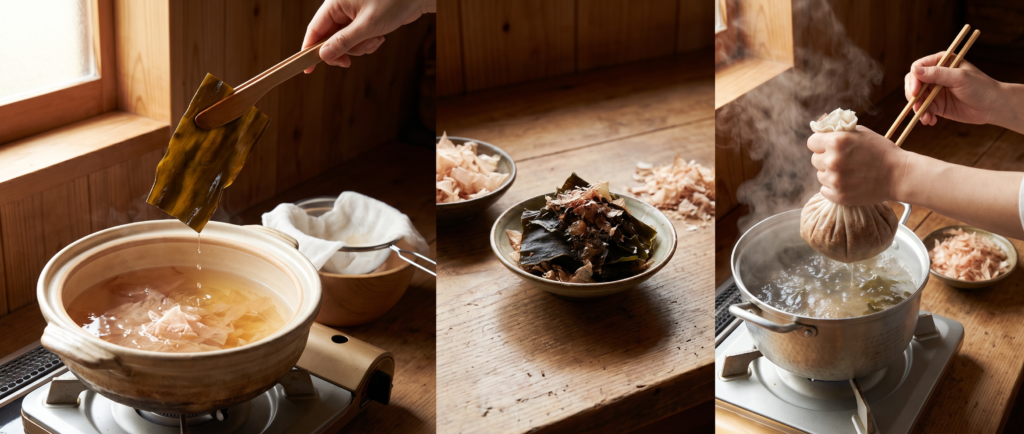
Ichiban and Niban Dashi: The Two Lives of a Handful of Shavings A professional kitchen draws two entirely different stocks from the same kombu and the same katsuobushi. The first is made in about a minute and treated as perishable. The second is boiled, pressed, and wrung dry. Neither is a lesser version of the othe... -
Umami: The Fifth Taste Japan Gave the World
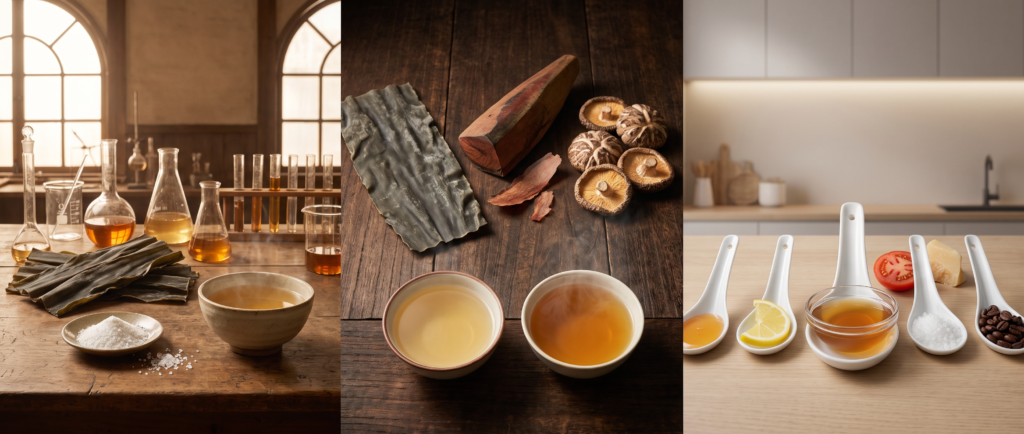
Umami: The Fifth Taste Japan Gave the World For most of a century, Western science recognized four basic tastes. The fifth had already been discovered — in a bowl of kelp broth, by a Tokyo chemist, in 1908 — and it took the world ninety years to catch up. Ask most people to name the basic tastes and they will get to... -
Shio Koji: The Fermented Seasoning That Quietly Rewired Modern Kitchens
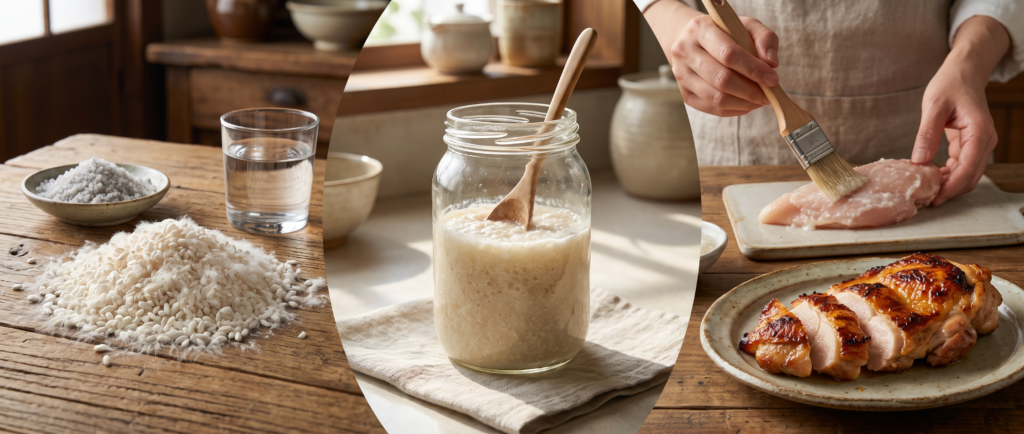
Shio Koji: The Fermented Seasoning That Quietly Rewired Modern Kitchens A cloudy paste of rice mold, salt, and water — old enough to predate refrigeration, new enough to sit on the pass at some of the best restaurants on earth. Spoon a little shio koji from the jar and it does not look like much. A pale, cloudy porr... -
What Japan Actually Registered: Washoku and the UNESCO Misunderstanding
What Japan Actually Registered: Washoku and the UNESCO Misunderstanding In 2013, "washoku" joined UNESCO's list of humanity's intangible heritage. Almost everyone assumes this means sushi, tempura, and ramen were honored. What was actually inscribed is something quieter, stranger, and far more interesting. On Decemb... -
Cooking as Devotion: A Guide to Japan’s Zen Temple Cuisine
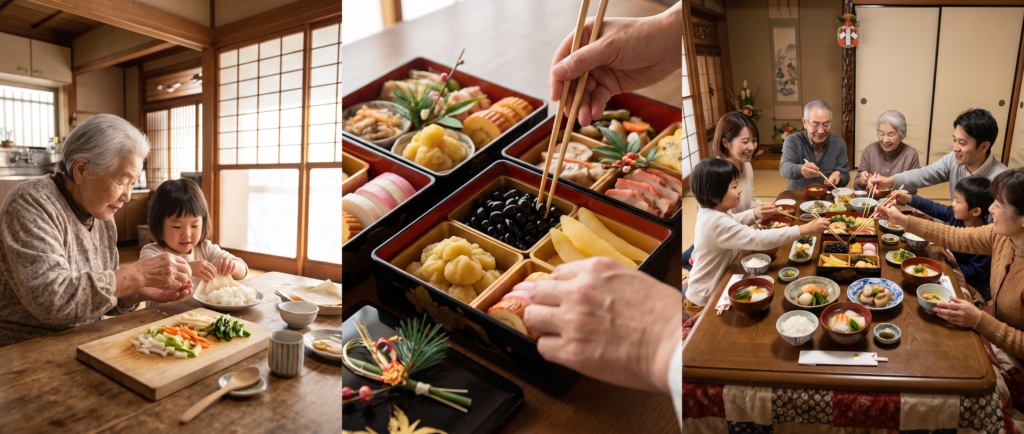
Shōjin ryōri is Zen Buddhist temple cuisine where cooking becomes spiritual practice. Following Dōgen's 13th-century teachings, it uses plant-based ingredients within the "rule of five" framework, emphasizing mindfulness, seasonal harmony, and waste-nothing principles. -

Before Soy Sauce
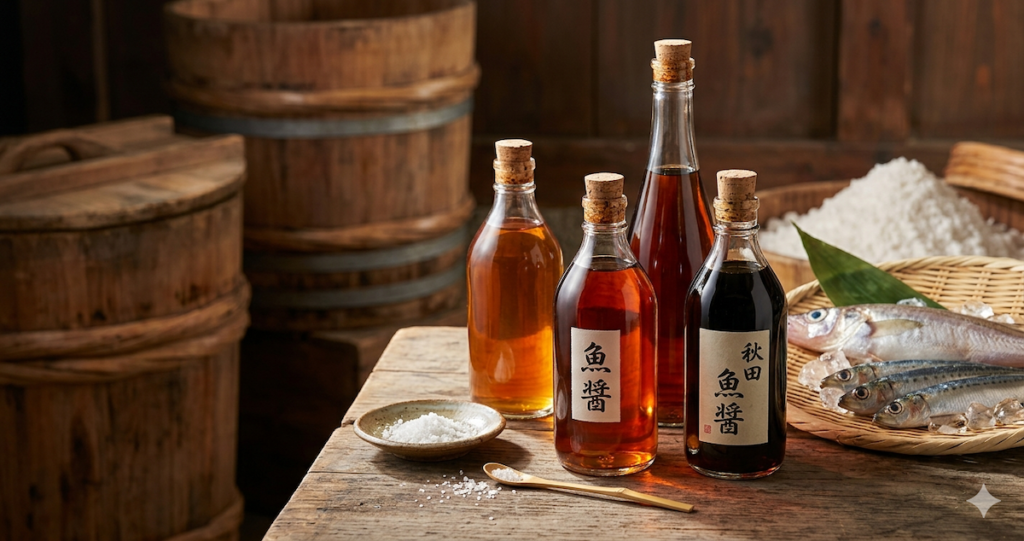
Before soy sauce, gyosho (fish sauce) was Japan’s essential seasoning. This guide explores the history, science, and the three major regional traditions: Shottsuru, Ishiru, and Ikanago Shoyu. -
Why Water Makes or Breaks Dashi: The Science of Softness in Japanese Cooking
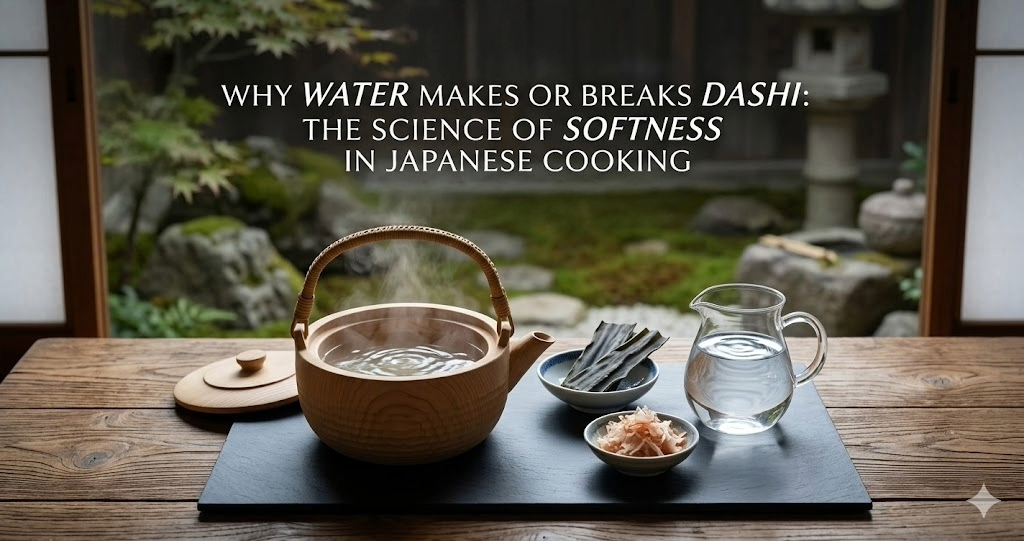
Water hardness critically affects dashi: soft water enables full umami extraction from kombu and katsuobushi, while hard water blocks it, explaining regional Japanese flavors and why results differ abroad. -
Before the Grill: Japan’s Tradition of Marinating Fish and Meat in Fermented Pastes
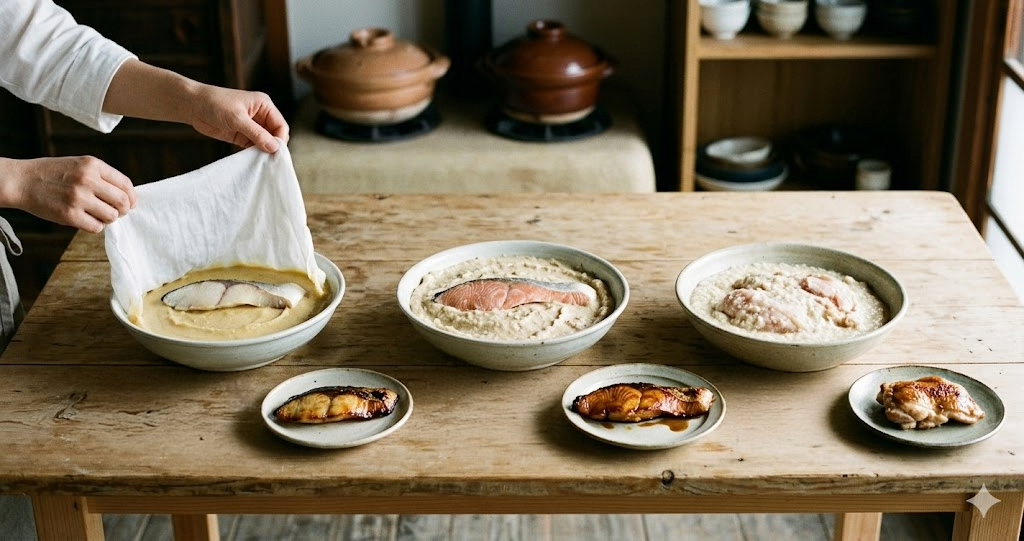
Japanese fermented marinades like miso, sake lees, and shio koji transform fish and meat internally, enhancing umami, tenderness, and caramelization before grilling completes the process. -
Fragrant Things: What Tsukemono Reveals About How Japan Thinks About Food
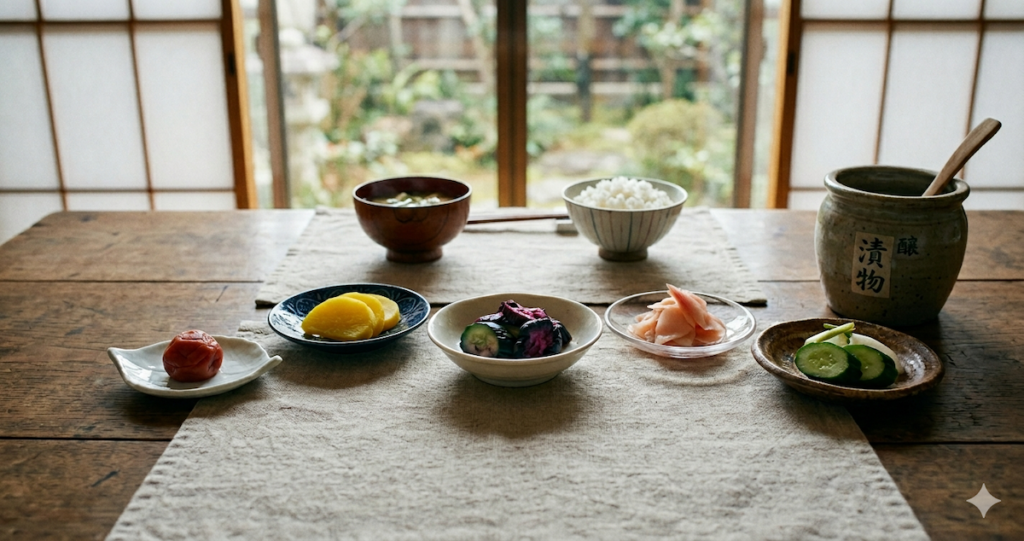
Tsukemono are diverse Japanese pickles that provide contrast, cleanse the palate, and structure meals, with regional methods and long fermentation reflecting Japan’s seasonal ingredients and food philosophy. -
The Bottle That Makes Japanese Food Shine: An Introduction to Mirin
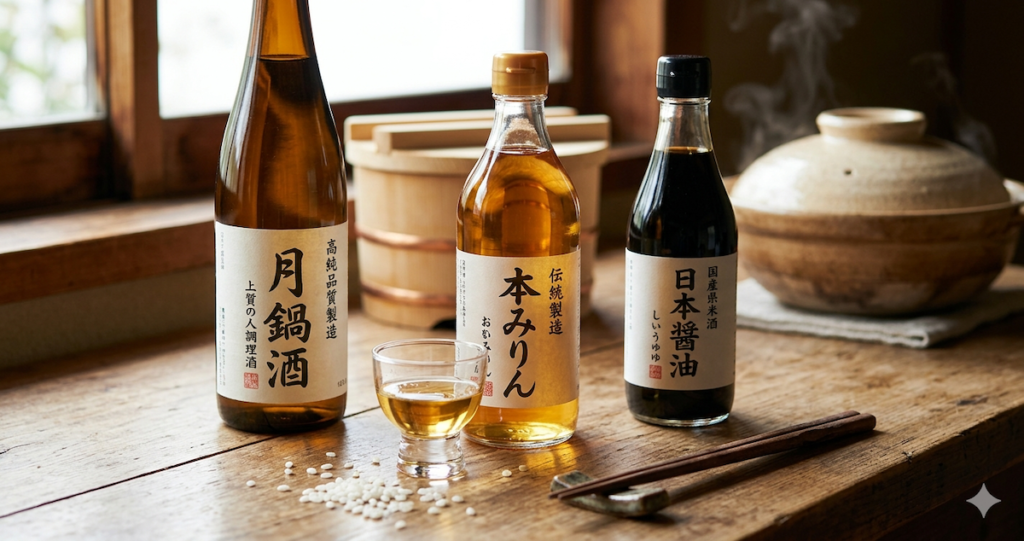
Mirin is a fermented sweet rice seasoning that adds depth, gloss, and balance to Japanese cooking, differing from sake and sugar through its complex sugars and essential role in sauces. -
One Soup, Three Dishes: The Framework That Shaped Japanese Eating
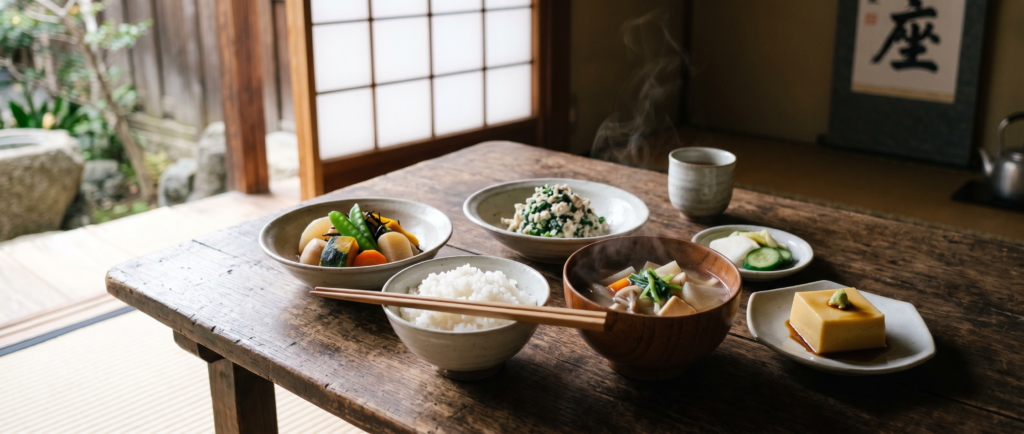
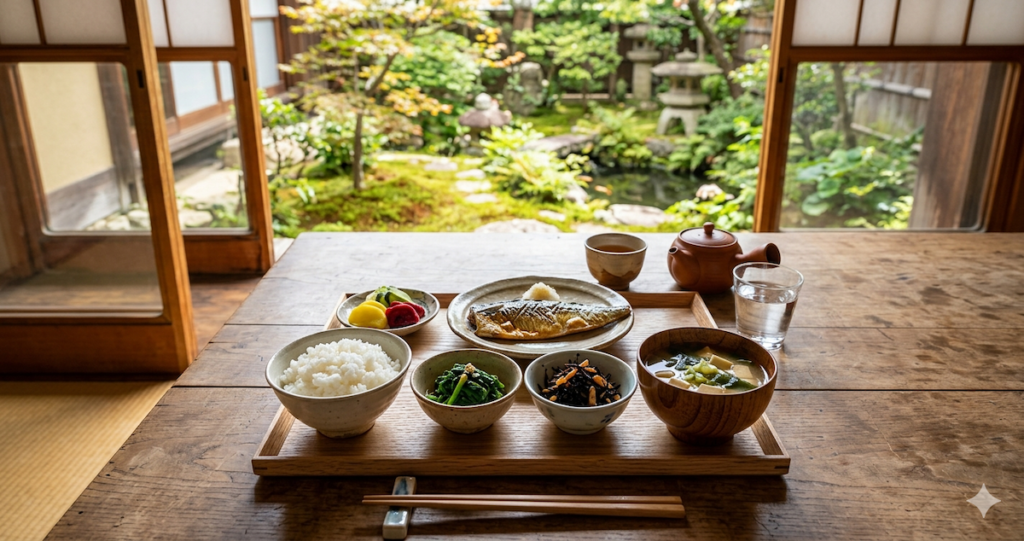
One Soup, Three Dishes: The Framework That Shaped Japanese Eating Ichiju sansai is four words in Japanese. It is also the organizing principle behind over a thousand years of Japanese food culture — a structure so quietly functional that most of the people who follow it every day have never needed to name it. Set a ...
12