umami– tag –
-

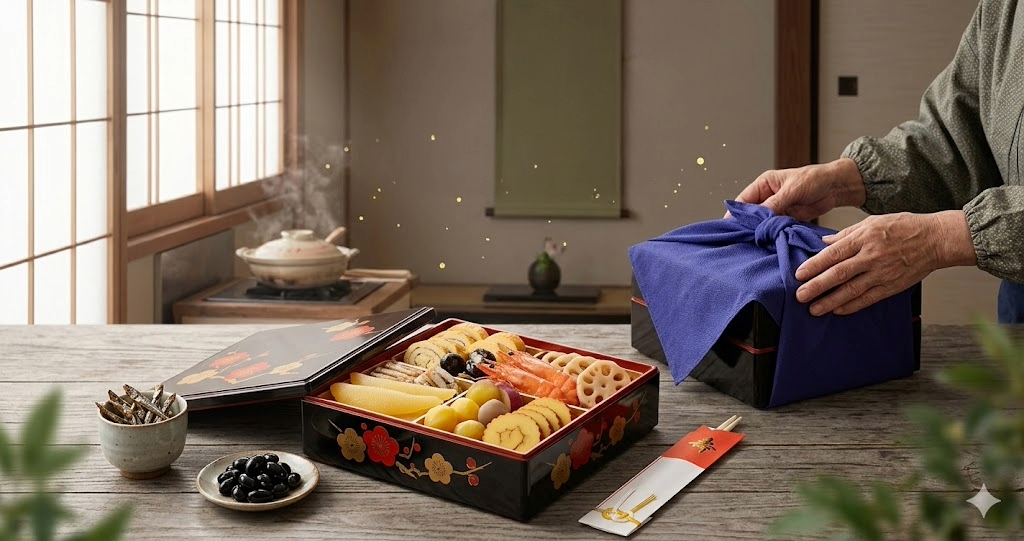
Osechi: New Year in a Lacquer Box
Osechi: New Year in a Lacquer Box Every January, Japanese families open a box that has taken days to fill — each small dish carrying a wish, a wordplay, a piece of history. Osechi is not simply a New Year feast. It is the most complete expression of Japanese food culture as an act of transmission. On the morning of ... -
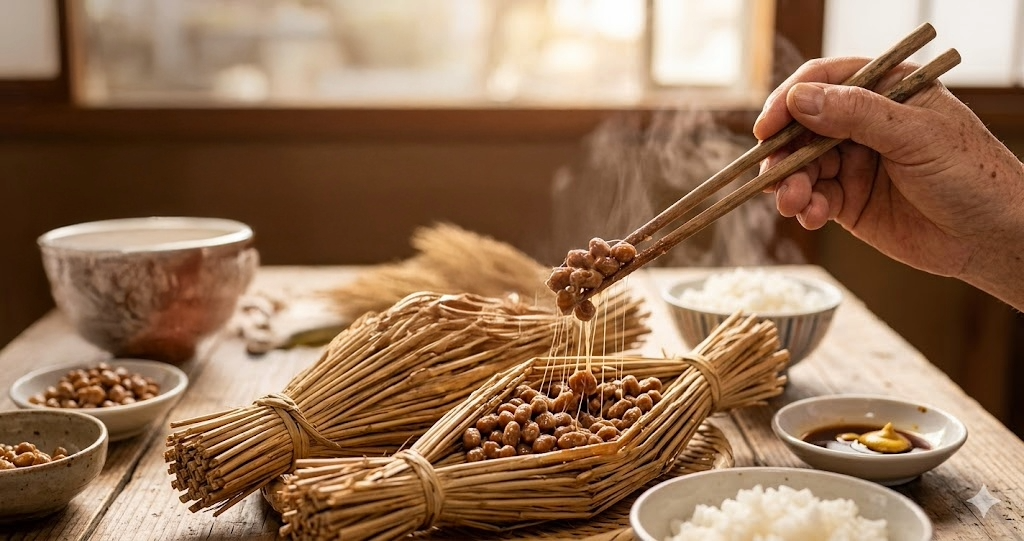
The Fermentation That Divides Japan: A Story of Natto
The Fermentation That Divides Japan: A Story of Natto Sticky, pungent, and divisive — natto is one of Japan's oldest fermented foods and one of its most misunderstood. Behind the smell and the strings lies a fermentation of extraordinary biological precision, and a food culture that has quietly endured for over a th... -
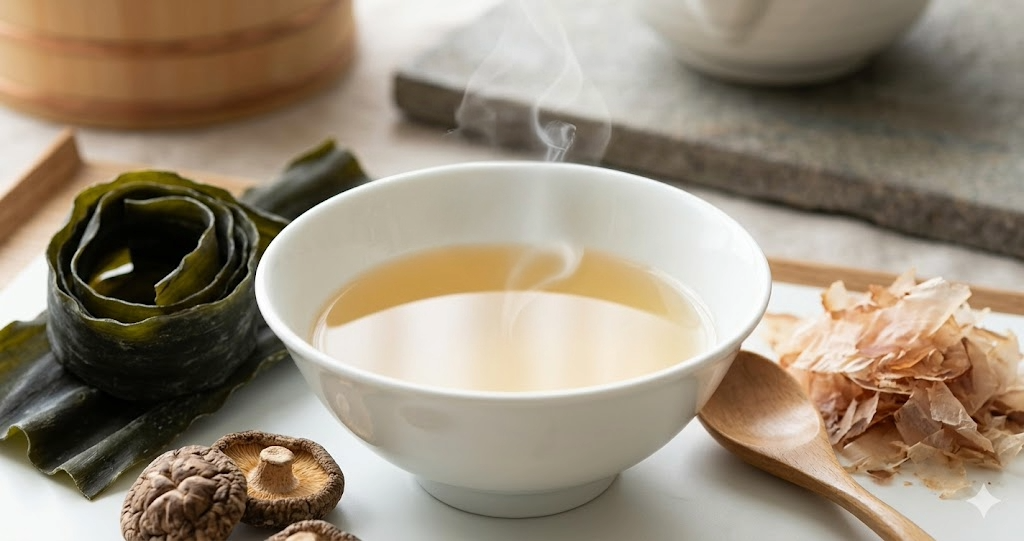
The Philosophy of Dashi: Japan’s Invisible Foundation
The Philosophy of Dashi: Japan's Invisible Foundation Japanese cooks do not make dashi. They draw it. That single verb — hiku, to pull — contains an entire philosophy of cooking, and an answer to why Japanese cuisine tastes the way it does. Set a bowl of good miso soup in front of someone who has never encountered J... -

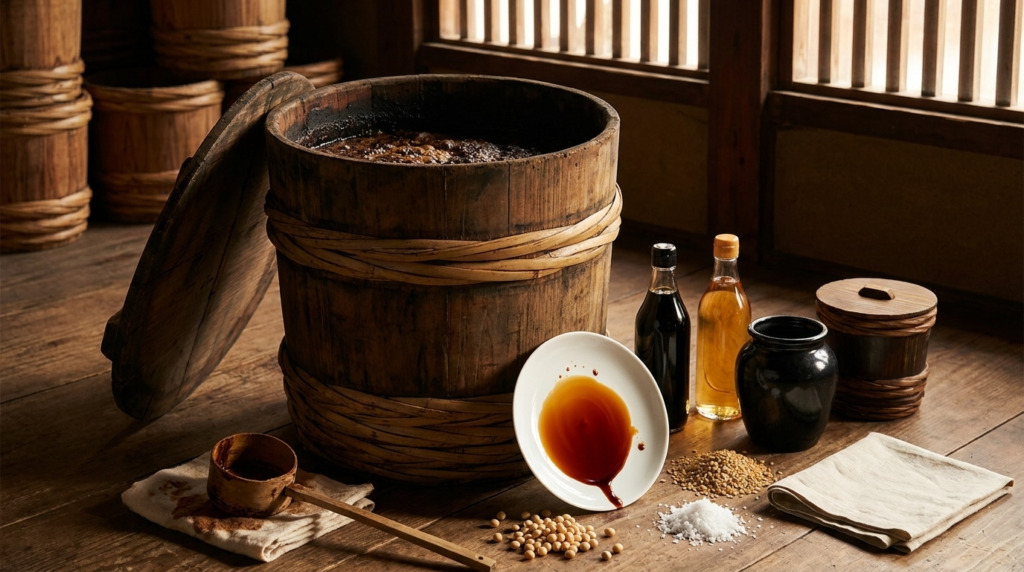
Inside the Soy Sauce Barrel: Japan’s Most Patient Condiment
Inside the Soy Sauce Barrel: Japan's Most Patient Condiment Four ingredients. Two years. Hundreds of aromatic compounds. The story of Japanese soy sauce is a story about time — and about what happens when you give fermentation the space to do its work properly. Pour a few drops of good Japanese soy sauce onto a whit... -
Shun: How Japan Learned to Eat by the Calendar
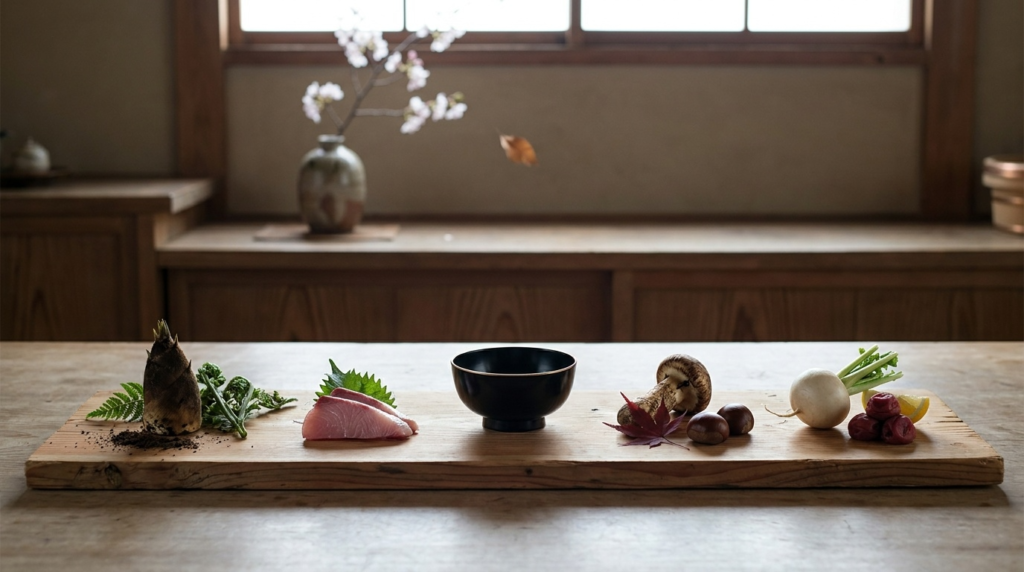
Shun: How Japan Learned to Eat by the Calendar Japan does not simply observe the four seasons. It counts them in twenty-four parts, and then seventy-two more. Behind this precision lies a philosophy of eating that has quietly shaped Japanese cuisine for over a thousand years. In Japan, the question of what to eat is... -
The Cold Waters of Hokkaido: Where Kombu Begins
The Cold Waters of Hokkaido: Where Kombu Begins Before the dashi, before the soup, before the dish — there is the sea. Japan's kombu culture begins in the cold currents off Hokkaido, where three distinct coastlines produce three entirely different flavors. Pull a strip of dried kombu from its wrapping and hold it up... -
Soybeans, Salt, and Time: What Miso Is, and Why It Tastes the Way It Does
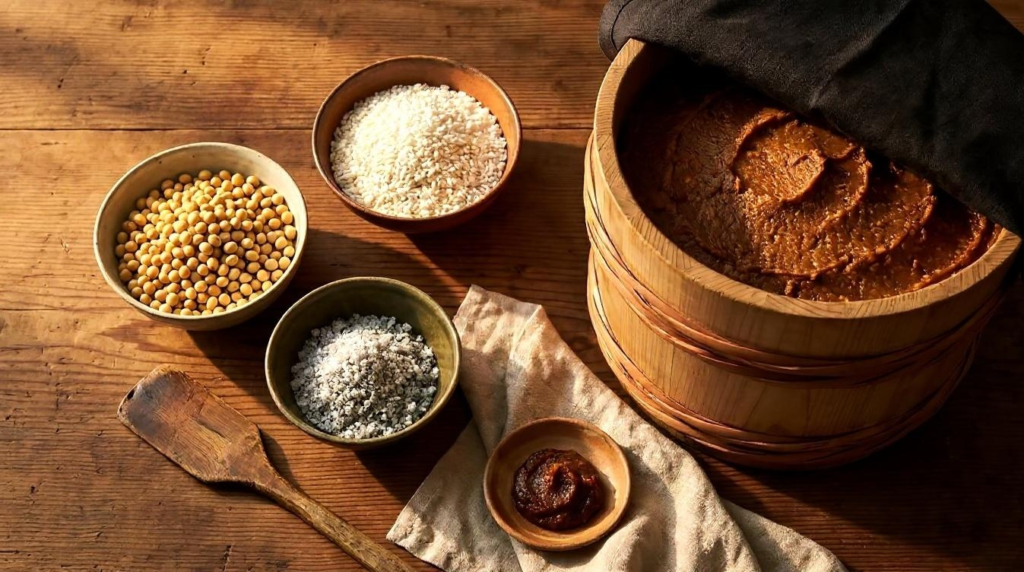
Soybeans, Salt, and Time: What Miso Is, and Why It Tastes the Way It Does Inside Japan's oldest pantry staple — the soybeans, the salt, the koji, and the months of patient transformation that make miso unlike anything else on earth. Open a tub of good miso and bring it close. Before you taste it, smell it. There is ...

12