Categories
  • Fermentation
  • Heritage
  • Origin
  • Seasons
  • Technique
  • Vessel
You don't taste food. You taste its history.
Waden
  • About Waden
  • CONTACT US
Waden
  • About Waden
  • CONTACT US
  1. Home
  2. japanese cooking technique

japanese cooking technique– tag –

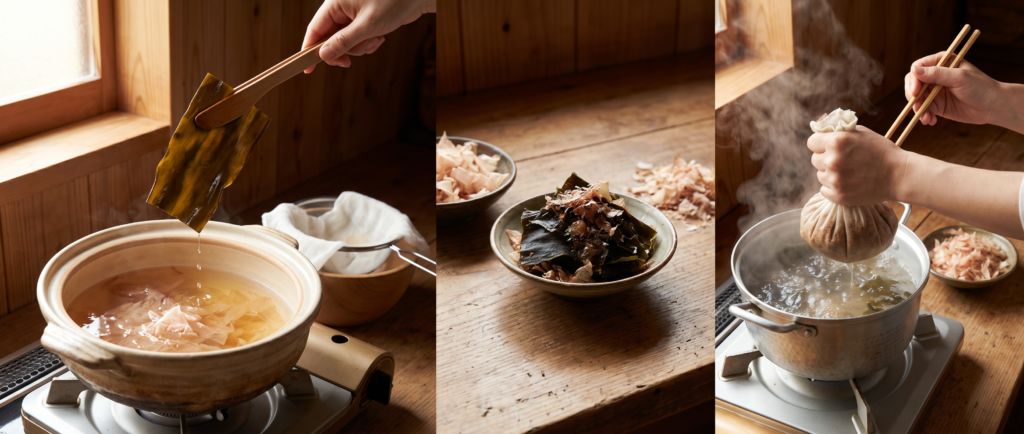
  • Three-part composition showing ichiban dashi first stock with clear amber liquid, translucent katsuobushi shavings settling gently, kombu lifted before boiling, illustrating restraint and two refusals; center showing spent wet kombu and katsuobushi saved in bowl with fresh shavings for oigatsuo; niban dashi second stock with vigorous boiling, pressing and wringing shavings hard, slightly cloudy robust liquid, demonstrating opposite philosophy of thoroughness and extraction from same ingredients, first refuses to squeeze while second insists on squeezing.
    Technique

    Ichiban and Niban Dashi: The Two Lives of a Handful of Shavings

    Ichiban and Niban Dashi: The Two Lives of a Handful of Shavings A professional kitchen draws two entirely different stocks from the same kombu and the same katsuobushi. The first is made in about a minute and treated as perishable. The second is boiled, pressed, and wrung dry. Neither is a lesser version of the othe...
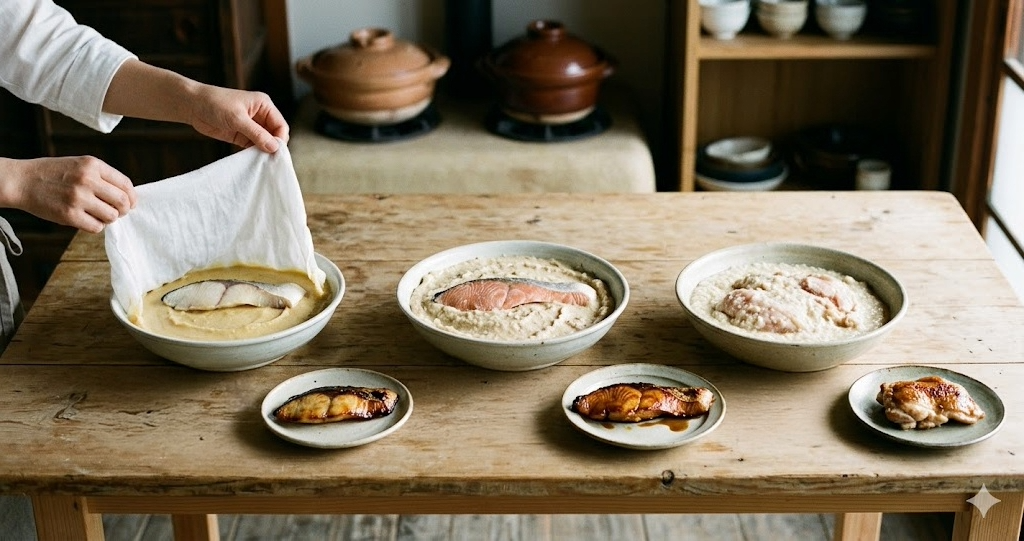
  • The table is set with fish and meat marinated in miso and koji. These dishes are part of Japan’s long-standing culinary tradition.
    Technique

    Before the Grill: Japan’s Tradition of Marinating Fish and Meat in Fermented Pastes

    Japanese fermented marinades like miso, sake lees, and shio koji transform fish and meat internally, enhancing umami, tenderness, and caramelization before grilling completes the process.
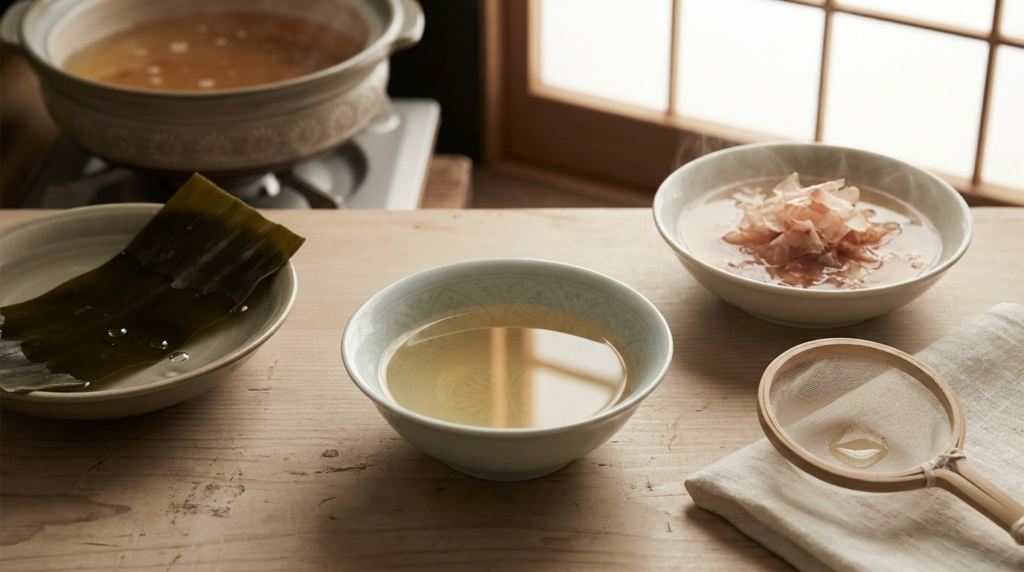
  • A small celadon bowl of clear pale-gold ichiban dashi beside a sheet of konbu kelp and curled katsuobushi flakes mid-extraction, with a second pot of niban dashi simmering behind.
    Technique

    The Thousand-Year Wait: What Dashi Is, and Why Japan Took So Long to Invent It

    The Thousand-Year Wait: What Dashi Is, and Why Japan Took So Long to Invent It Japanese cooks do not make dashi. They draw it. That single verb — hiku — contains a philosophy of cooking, and the answer to why Japanese food tastes the way it does. Set a bowl of good miso soup in front of someone who has never encount...
1
Browse by Category
Subscribe by Email

Enter your email to subscribe and receive new posts straight to your inbox.

© Waden.