japanese ingredients– tag –
-

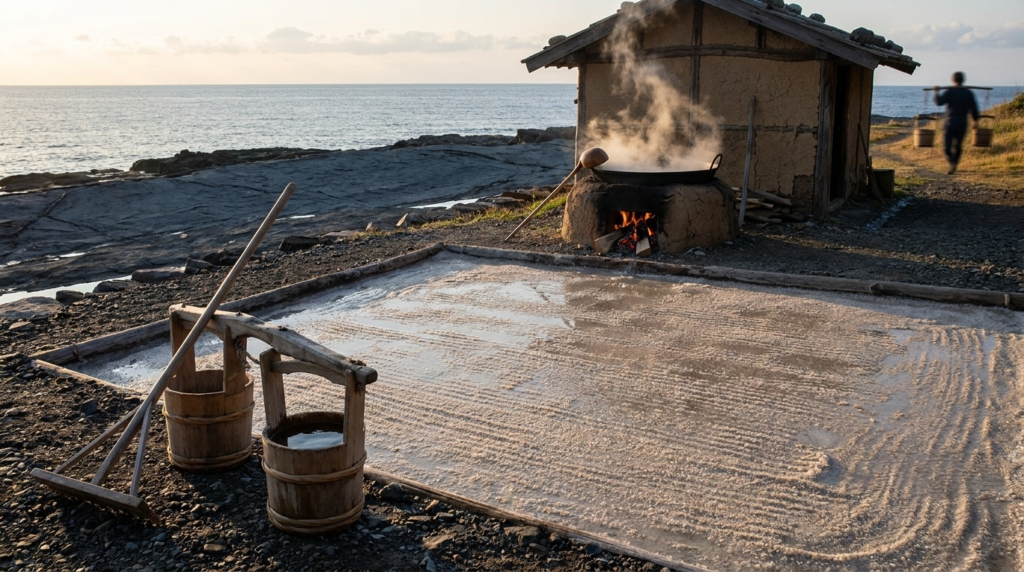
The Country That Forgot How to Make Salt: Japan, the Sea, and the Salt on Your Shelf
The Country That Forgot How to Make Salt: Japan, the Sea, and the Salt on Your Shelf Japan is an archipelago with no rock salt, no salt lakes, and a climate too wet to dry seawater in the sun. For two thousand years it solved that problem with extraordinary ingenuity — and then, in a single year in the 1970s, abolis... -

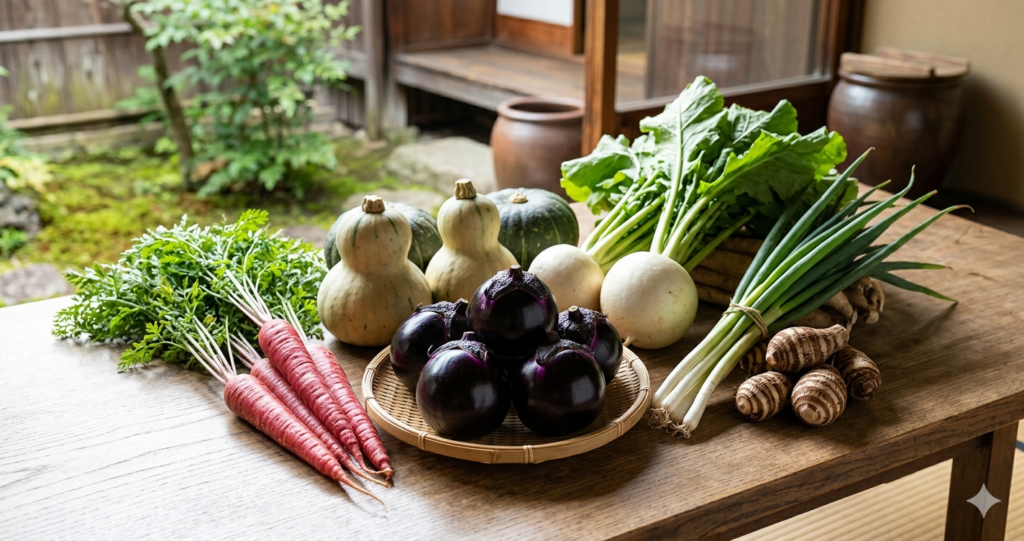
Grown for a Thousand Years: Kyoto’s Extraordinary Heritage Vegetables
Kyoto's traditional heirloom vegetables, or kyoyasai, were shaped over a millennium to meet the exacting demands of imperial, temple, and haute cuisine, prioritizing exceptional flavor and texture over durability. -
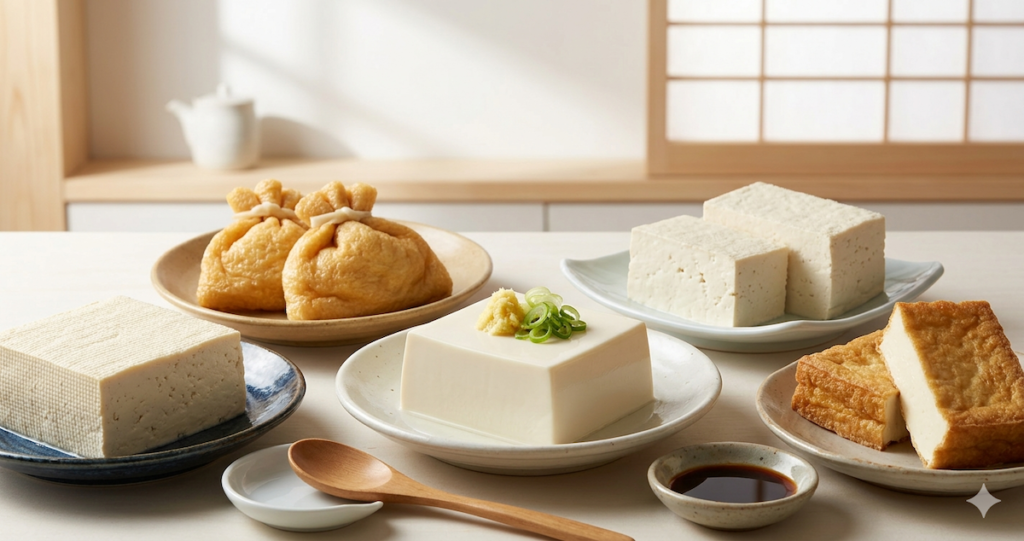
The White Block That Feeds a Nation: Tofu
This guide explores Japanese tofu’s rich history and techniques, detailing foundational varieties like momen and kinu, transformed styles like aburaage, and its essential role in Zen Buddhist shōjin ryōri cuisine. -
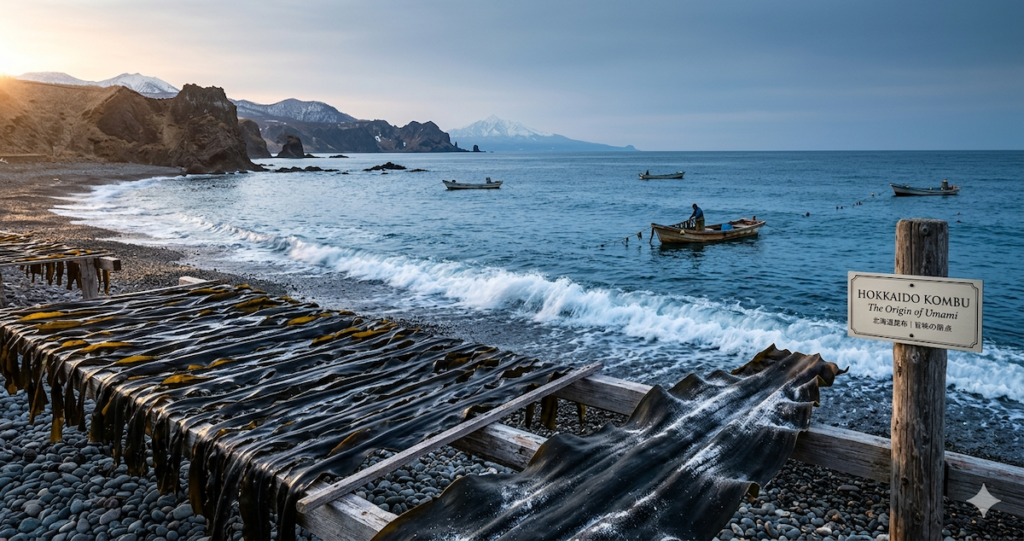
The Cold Waters of Hokkaido: Where Kombu Begins
The Cold Waters of Hokkaido: Where Kombu Begins Before the dashi, before the soup, before the dish — there is the sea. Japan's kombu culture begins in the cold currents off Hokkaido, where three distinct coastlines produce three entirely different flavors. Pull a strip of dried kombu from its wrapping and hold it up...
1