katsuobushi– tag –
-

Harder Than Rock Salt: Katsuobushi and the Mould That Dries a Fish From the Inside
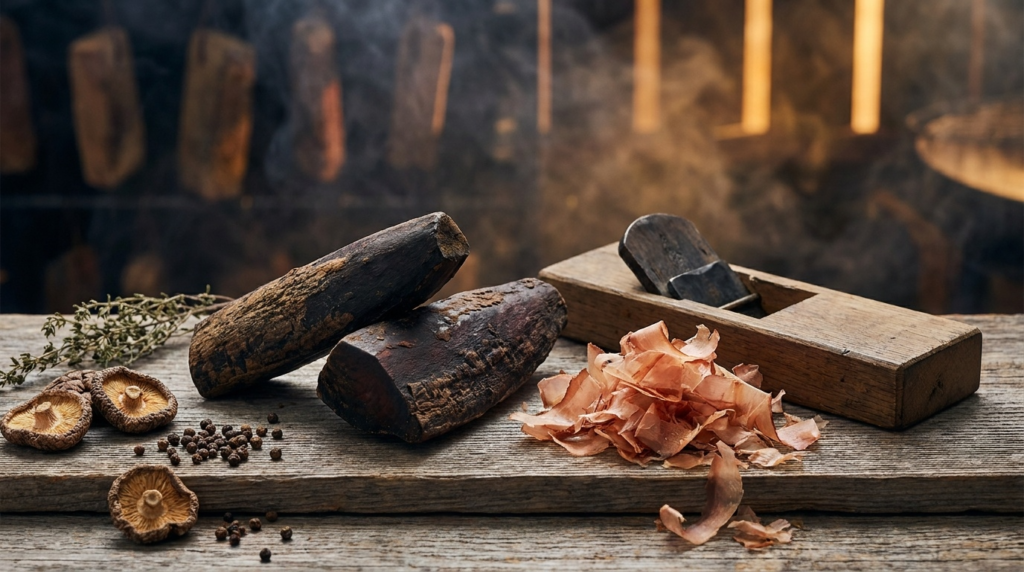
Harder Than Rock Salt: Katsuobushi and the Mould That Dries a Fish From the Inside Known in English as bonito flakes, a finished block of katsuobushi rings when you strike it. Getting there takes six months, ten fires, and four generations of a fungus that thrives in conditions close to a desert — and whose entire j... -

Ichiban and Niban Dashi: The Two Lives of a Handful of Shavings
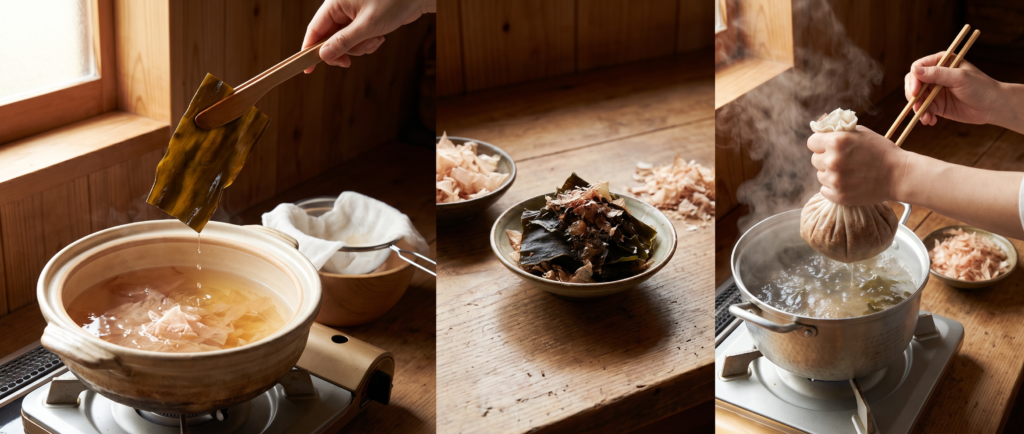
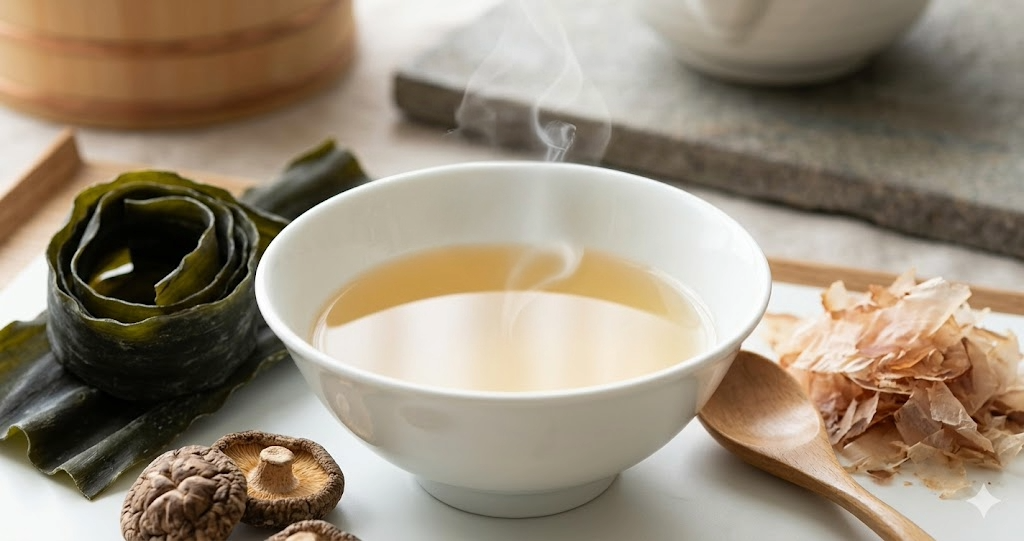
Ichiban and Niban Dashi: The Two Lives of a Handful of Shavings A professional kitchen draws two entirely different stocks from the same kombu and the same katsuobushi. The first is made in about a minute and treated as perishable. The second is boiled, pressed, and wrung dry. Neither is a lesser version of the othe... -

Why Water Makes or Breaks Dashi: The Science of Softness in Japanese Cooking
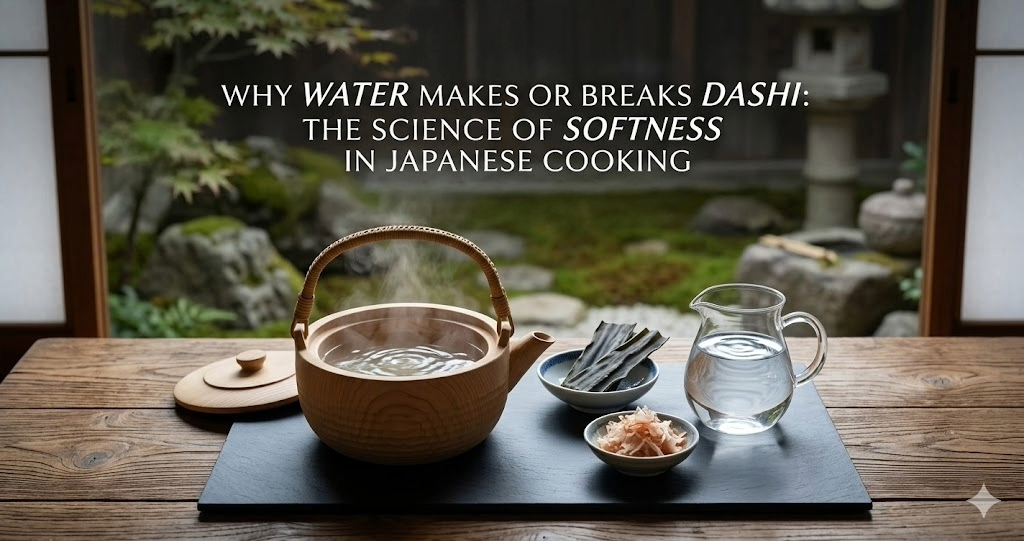
Water hardness critically affects dashi: soft water enables full umami extraction from kombu and katsuobushi, while hard water blocks it, explaining regional Japanese flavors and why results differ abroad. -
The Fish That Japan Follows Through the Year: Katsuo and the Meaning of Two Seasons
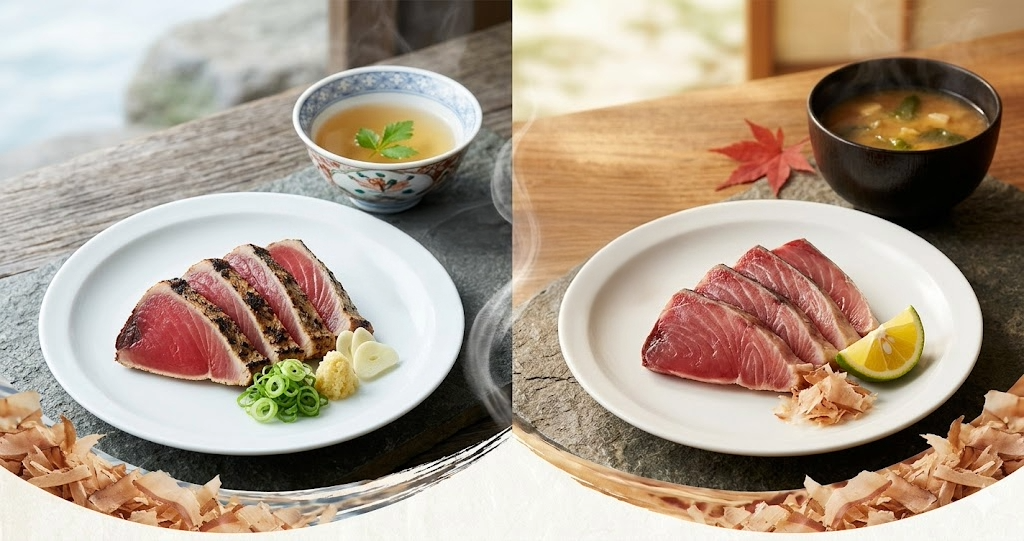
The Fish That Japan Follows Through the Year: Katsuo and the Meaning of Two Seasons No fish is more deeply embedded in the Japanese sense of season than katsuo — known in English as skipjack tuna or bonito — that arrives in spring as a lean harbinger of summer, and returns in autumn transformed, fat and rich, from i... -
The Philosophy of Dashi: Japan’s Invisible Foundation
The Philosophy of Dashi: Japan's Invisible Foundation Japanese cooks do not make dashi. They draw it. That single verb — hiku, to pull — contains an entire philosophy of cooking, and an answer to why Japanese cuisine tastes the way it does. Set a bowl of good miso soup in front of someone who has never encountered J...
1