Technique– tag –
-

The Japanese Knife: Steel, Single Bevel, and the Soul of the Kitchen
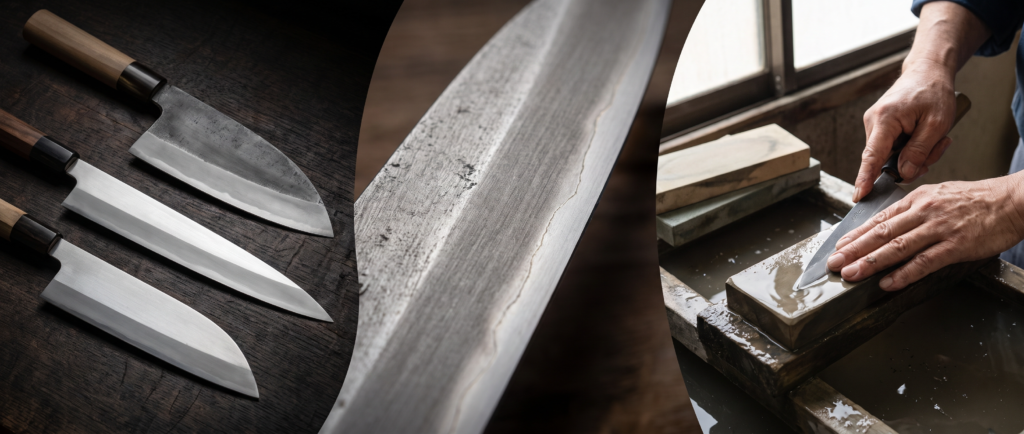
The Japanese Knife: Steel, Single Bevel, and the Soul of the Kitchen Two metals forged into one, an edge ground on a single side, and a back that is hollowed rather than flat — the traditional Japanese knife is built on ideas most Western blades never touch. Pick up a traditional Japanese kitchen knife and hold it t... -
Katsuramuki: The Cut That Measures a Cook
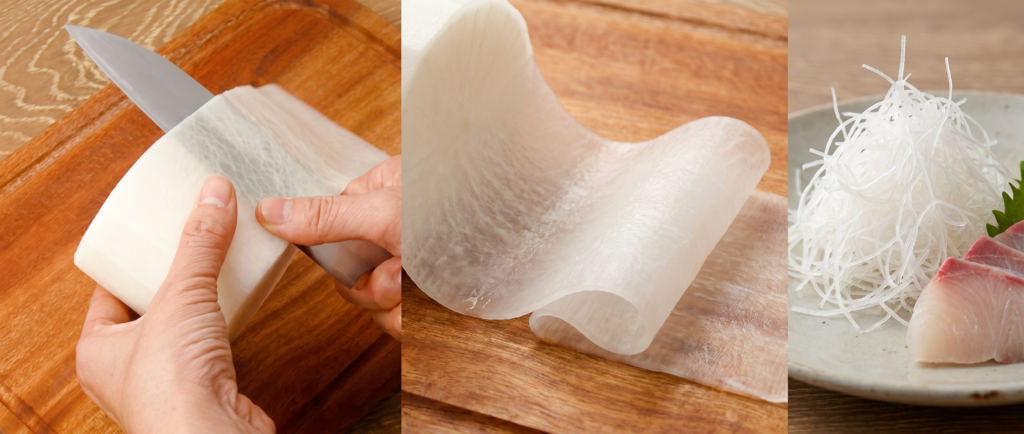
Katsuramuki: The Cut That Measures a Cook A single daikon, peeled into one continuous, paper-thin sheet longer than a person is tall. It sounds like a party trick. In a Japanese kitchen, it is closer to a verdict. Watch a trained Japanese cook perform katsuramuki and the first thing you notice is how little seems to... -
Frying as Restraint: Tempura and the Art of the Light Touch
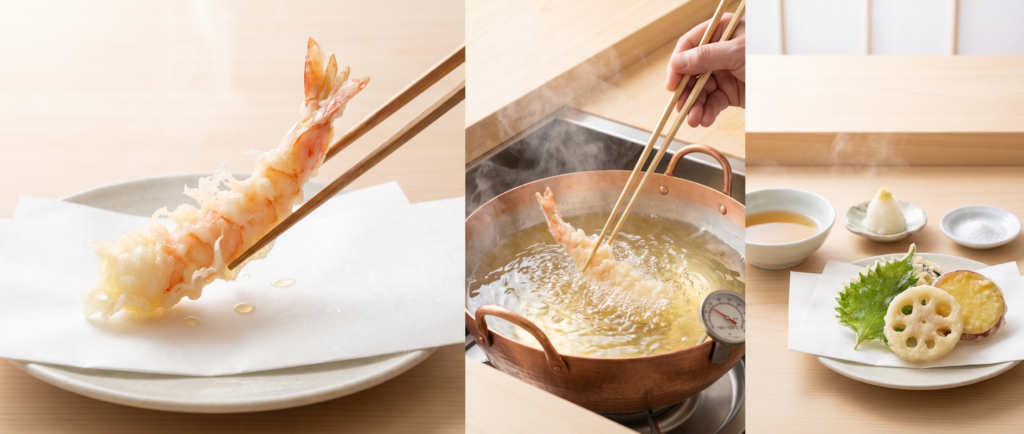
Frying as Restraint: Tempura and the Art of the Light Touch Deep-frying is usually an act of addition — batter, richness, weight. Japanese tempura is the opposite: a technique whose entire purpose is to take moisture away and leave the ingredient more itself than before. There is a moment, at a good tempura counter,... -
The Noodle That Asks Nothing of You: Udon and the Comfort of Wheat
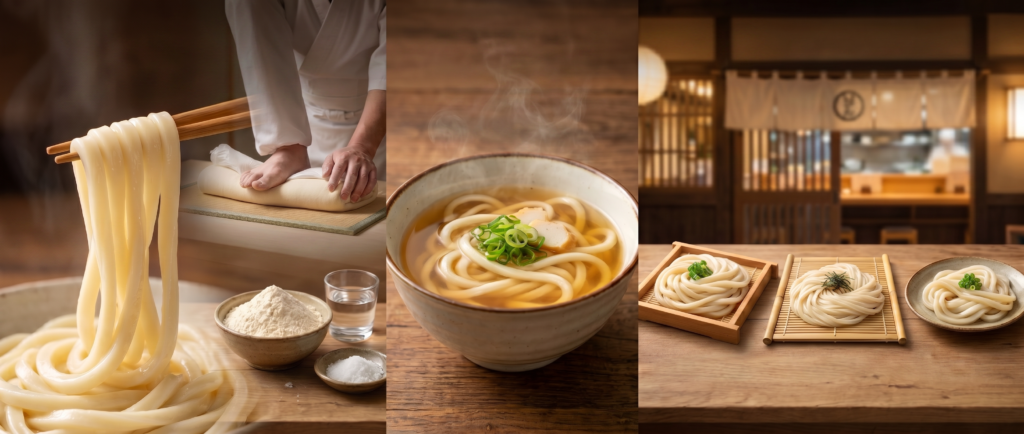
The Noodle That Asks Nothing of You: Udon and the Comfort of Wheat Soba is defined by what it lacks — gluten, and the difficulty that absence creates. Udon is defined by the opposite: gluten is its whole reason for being, and everything worth knowing about it flows from that one fact. There is a particular kind of c... -
Sushi vs Sashimi: What’s Actually the Difference?
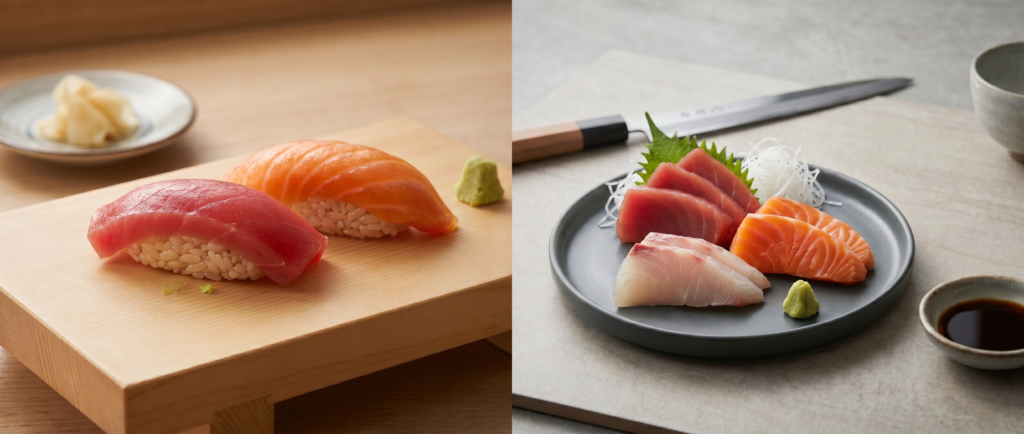
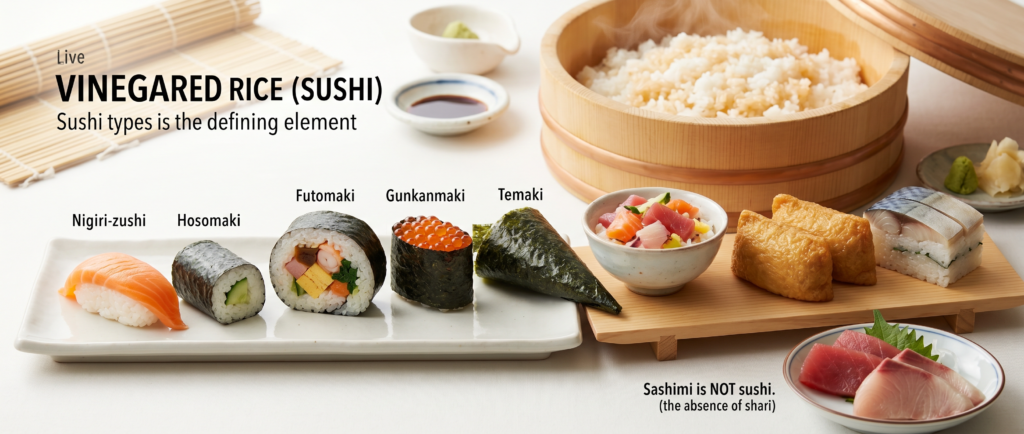
Sushi vs Sashimi: What's Actually the Difference? The short answer is one word: rice. But the more interesting question is why Japan gave a name — and the status of a complete dish — to something as apparently simple as a slice of raw fish. Ask ten people what the difference between sushi and sashimi is, and most wi... -
Sake for Beginners: How to Choose Your First Bottle
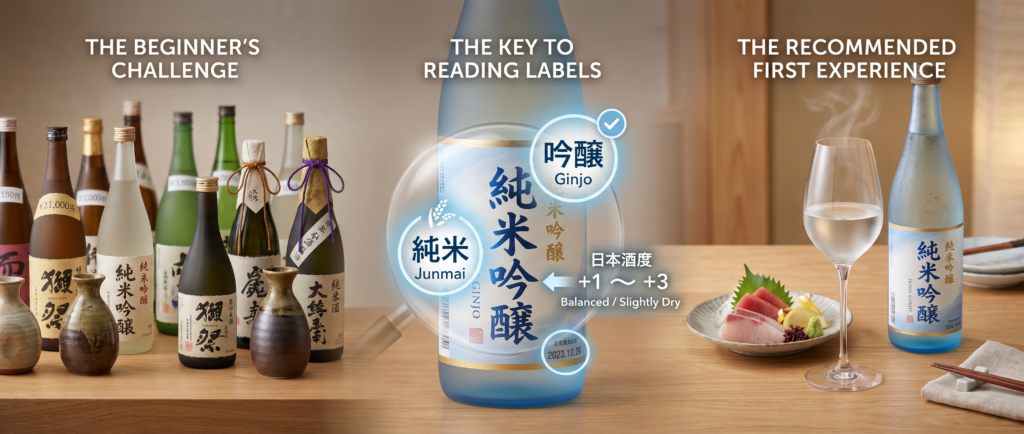
Sake for Beginners: How to Choose Your First Bottle The hardest part of drinking sake is not drinking it — it is standing in front of a shelf of unfamiliar bottles and having no idea where to begin. The good news is that a few simple ideas will take you most of the way there. There is a particular feeling that comes... -
How to Make Matcha: A Beginner’s Guide
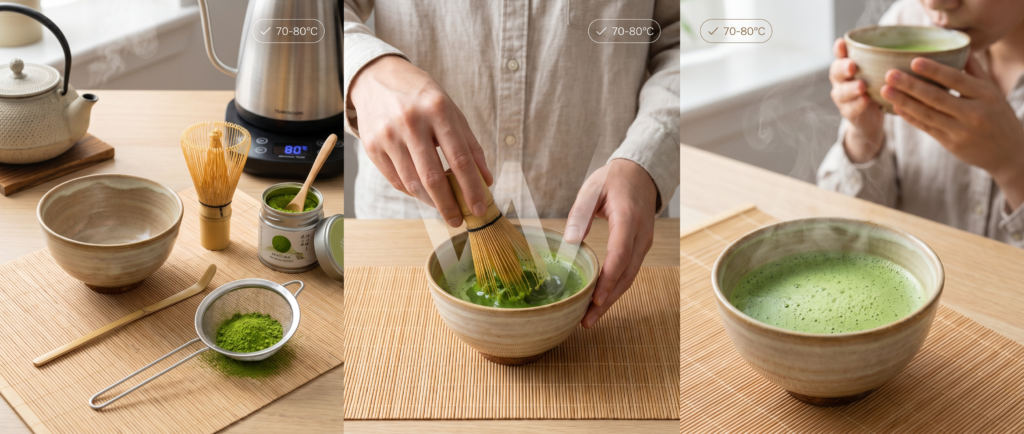
How to Make Matcha: A Beginner's Guide A good bowl of matcha takes about two minutes to make and almost nothing to get wrong — once you understand the three things that actually matter: the powder, the water, and the whisk. Making matcha can look intimidating from the outside. There is the special bowl, the bamboo w... -
How to Serve Sake: Temperature, Cups & Pairing
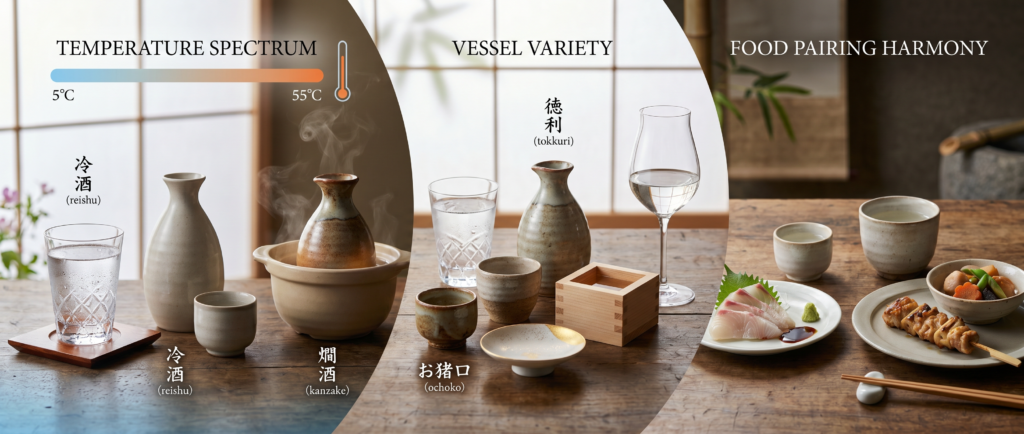
How to Serve Sake: Temperature, Cups & Pairing No other drink in the world is enjoyed across so wide a range of temperatures, in so many vessels, with so few fixed rules. To serve sake well is to make a series of small, deliberate choices — and each one changes what is in the glass. Most drinks have a correct se... -
Types of Sushi Explained: Nigiri, Maki, Sashimi & More
Types of Sushi Explained: Nigiri, Maki, Sashimi & More The word "sushi" does not mean what most people think it means. Once you understand what it actually refers to, the entire family of dishes — nigiri, maki, chirashi, inari, and the rest — falls into a logic that is far clearer than any menu suggests. Ask mos... -
The Four Tares: Shio, Shoyu, Miso & Tonkotsu Explained
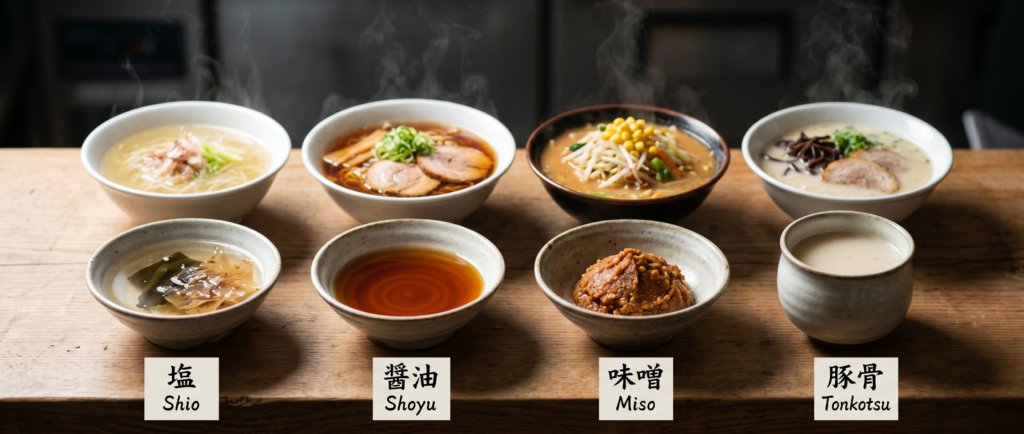
The Four Tares: Shio, Shoyu, Miso & Tonkotsu Explained Every bowl of ramen is named for one of these four words. But only three of them are the same kind of thing — and understanding why the fourth is different is the clearest way to understand how a bowl of ramen is actually built. Walk into a ramen shop anywhe... -

The Living Bed: A Guide to the Ancient Art of Nukazuke
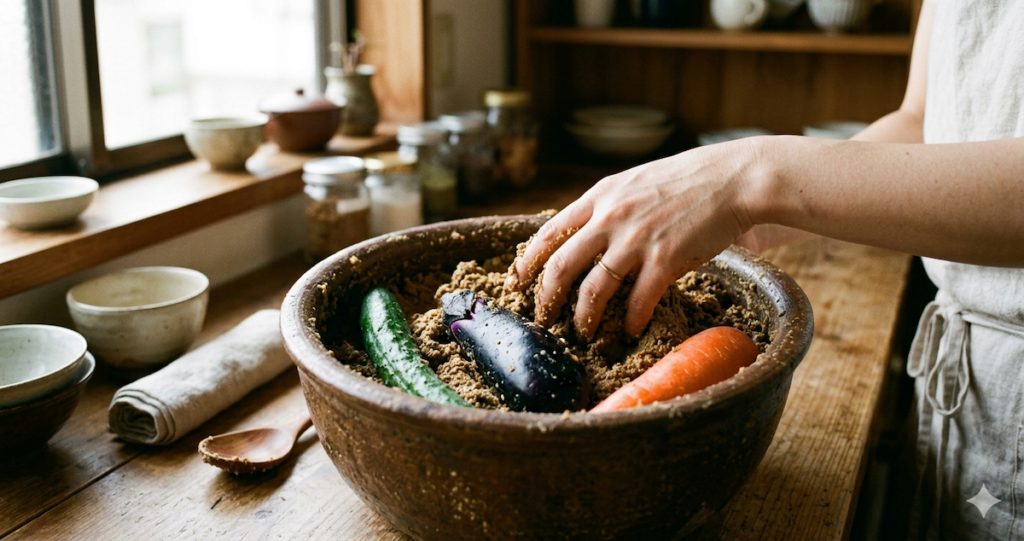
This guide details the history and maintenance of nukadoko, a traditional Japanese rice bran fermenting bed, explaining how daily care creates probiotic-rich nukazuke pickles that improve with age. -
The Glass That Cuts Light
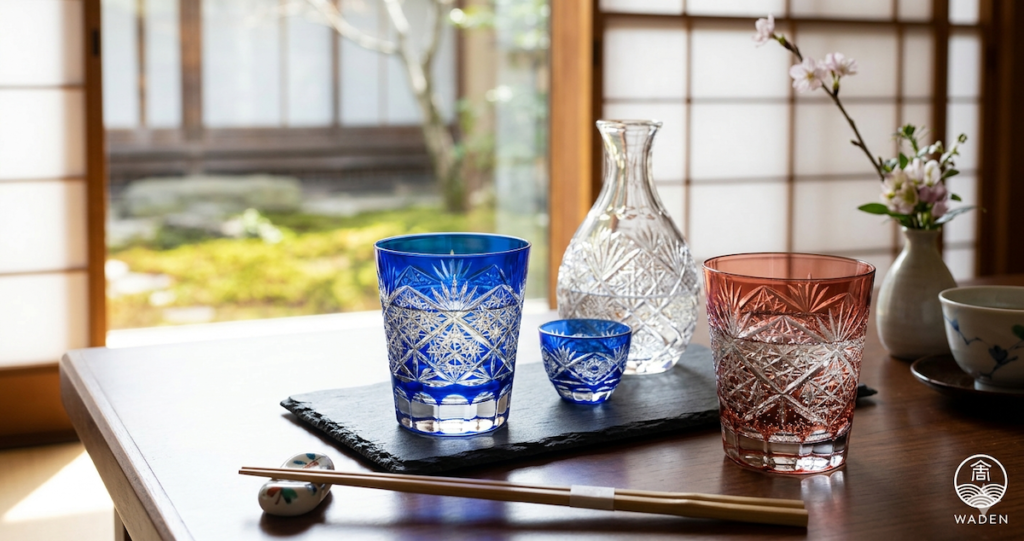
This article introduces Kiriko, Japan's traditional geometric cut glass art, detailing its history, the distinct Edo and Satsuma traditions, the handcrafted production process, auspicious patterns, and its elegant use at the table.
12