Technique– Craft Refined Over Lifetimes –
How to draw dashi, cut fish for sashimi, cook rice with the care it deserves. We study the foundations of Japanese cooking not as instruction, but as a window into a culture that takes craft seriously.
-

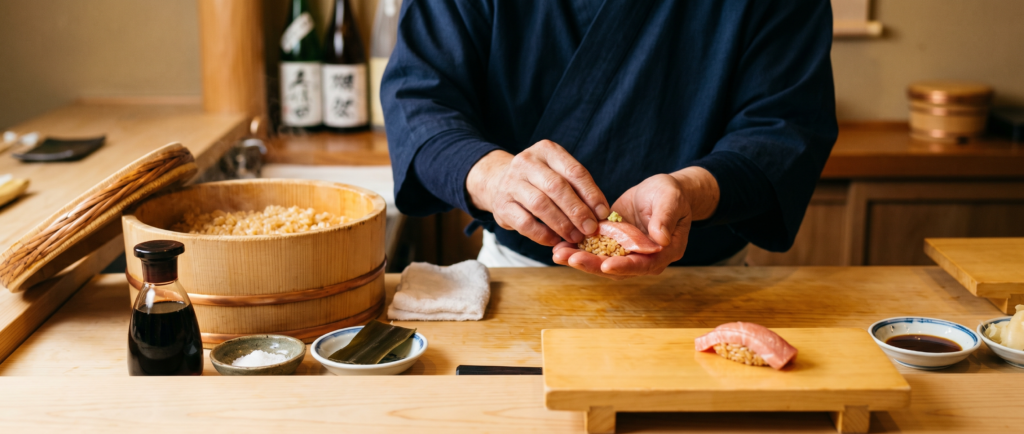
The Rice Was Always the Point: Shari and the Hidden Half of Sushi
The Rice Was Always the Point: Shari and the Hidden Half of Sushi Every conversation about sushi begins with the fish. But ask a master what defines their craft, and the answer is almost always the rice — its temperature, its seasoning, and the vinegar that has quietly shaped Edo-style sushi for over two hundred yea... -

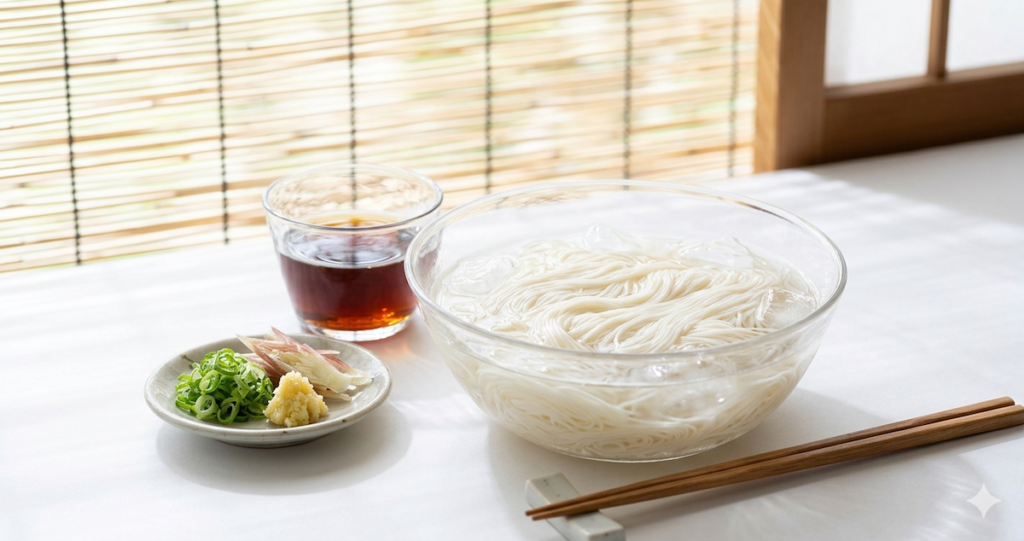
The Thinnest Thread: Somen
This article explores the 1,200-year history and "tenobe" hand-stretching technique of Japanese sōmen, highlighting its role as a delicate summer staple and its regional varieties across Japan. -
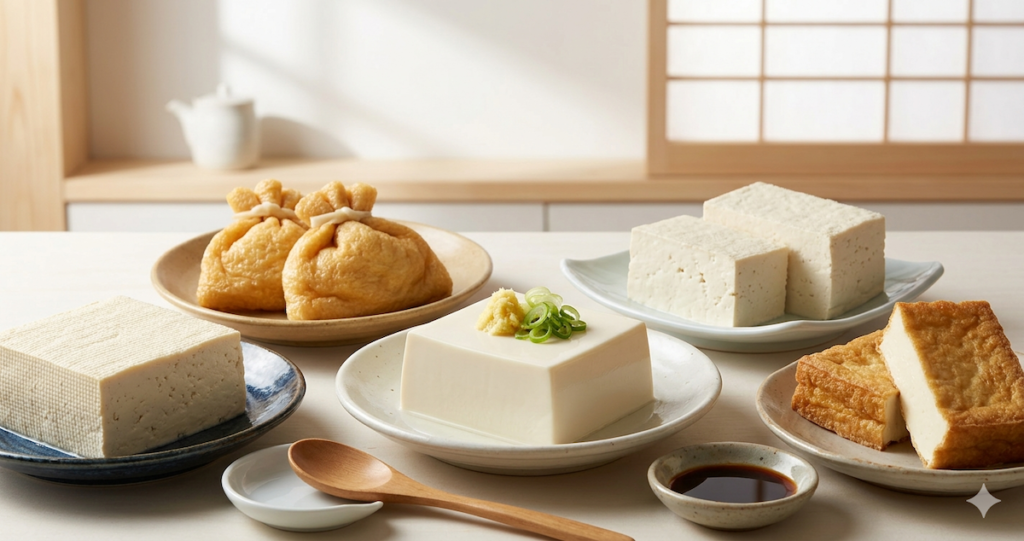
The White Block That Feeds a Nation: Tofu
This guide explores Japanese tofu’s rich history and techniques, detailing foundational varieties like momen and kinu, transformed styles like aburaage, and its essential role in Zen Buddhist shōjin ryōri cuisine. -
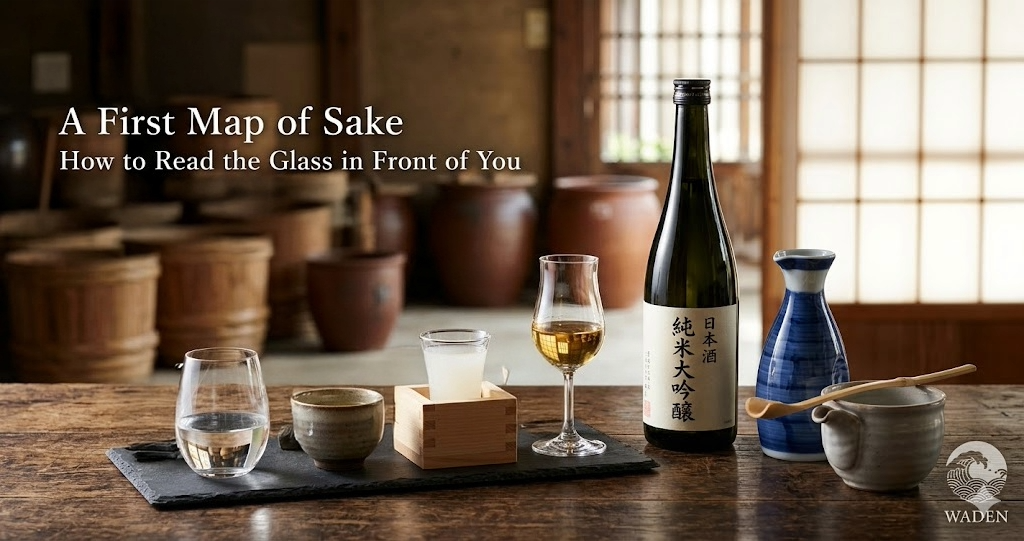
A First Map of Sake
This guide demystifies Japanese sake by explaining the two core variables: rice polishing ratios and added alcohol, helping readers navigate classifications from Junmai and Honjojo to premium Ginjo and Daiginjo. -
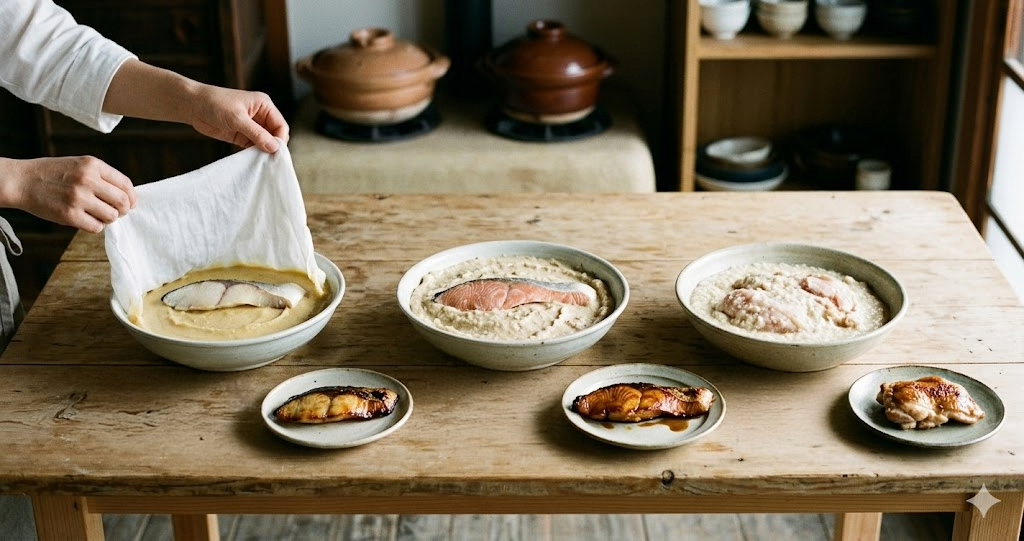
Before the Grill: Japan’s Tradition of Marinating Fish and Meat in Fermented Pastes
Japanese fermented marinades like miso, sake lees, and shio koji transform fish and meat internally, enhancing umami, tenderness, and caramelization before grilling completes the process. -
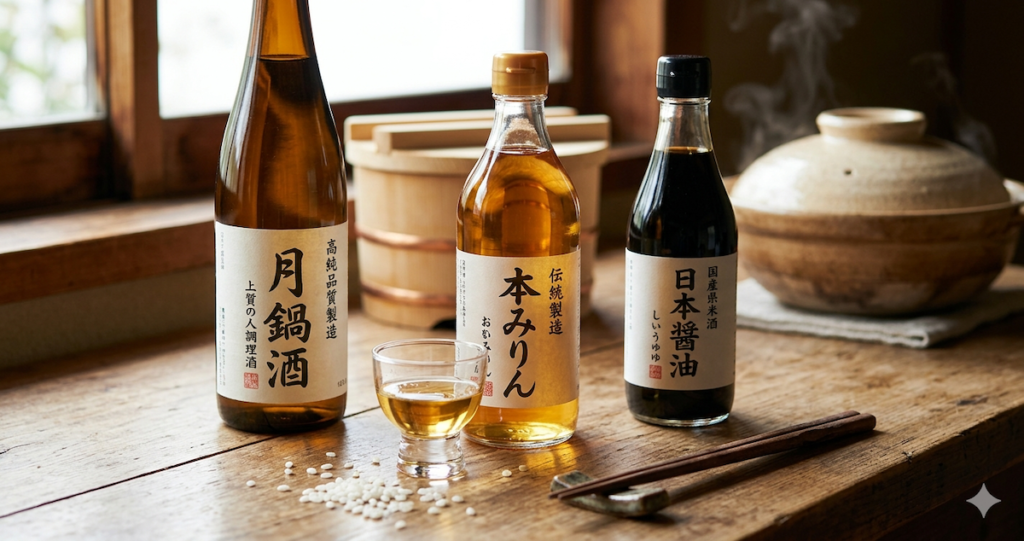
The Bottle That Makes Japanese Food Shine: An Introduction to Mirin
Mirin is a fermented sweet rice seasoning that adds depth, gloss, and balance to Japanese cooking, differing from sake and sugar through its complex sugars and essential role in sauces. -
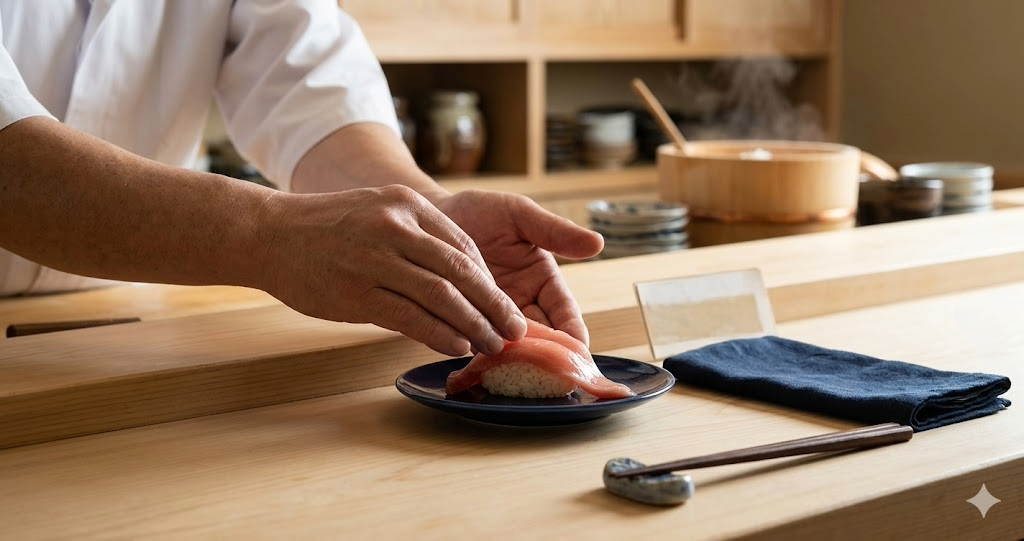
One Bite, One Truth: Why Sushi Was Never Meant to Be Divided
Sushi is meant to be eaten in one bite to preserve its balance of temperature, texture, and flavor, as dividing it disrupts the chef’s precise composition and intended experience. -
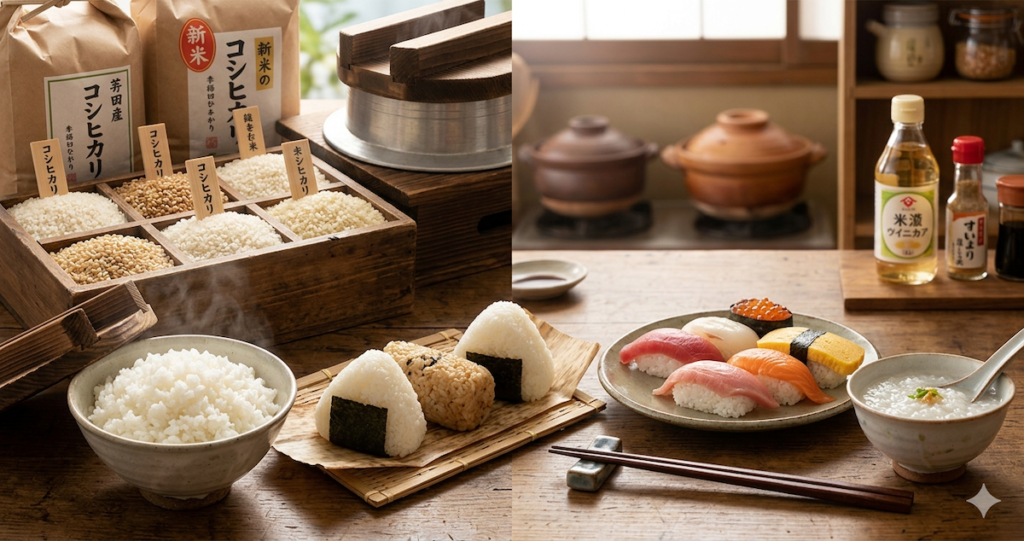
Not All Rice Is the Same: How Japan Chooses the Right Grain for Every Bowl
Not All Rice Is the Same: How Japan Chooses the Right Grain for Every Bowl In Japan, rice is not a backdrop. It is a decision — shaped by texture, temperature, and the dish that will receive it. A Grain Unlike Any Other To someone raised on long-grain rice — basmati, jasmine, or the standard supermarket varieties fo... -
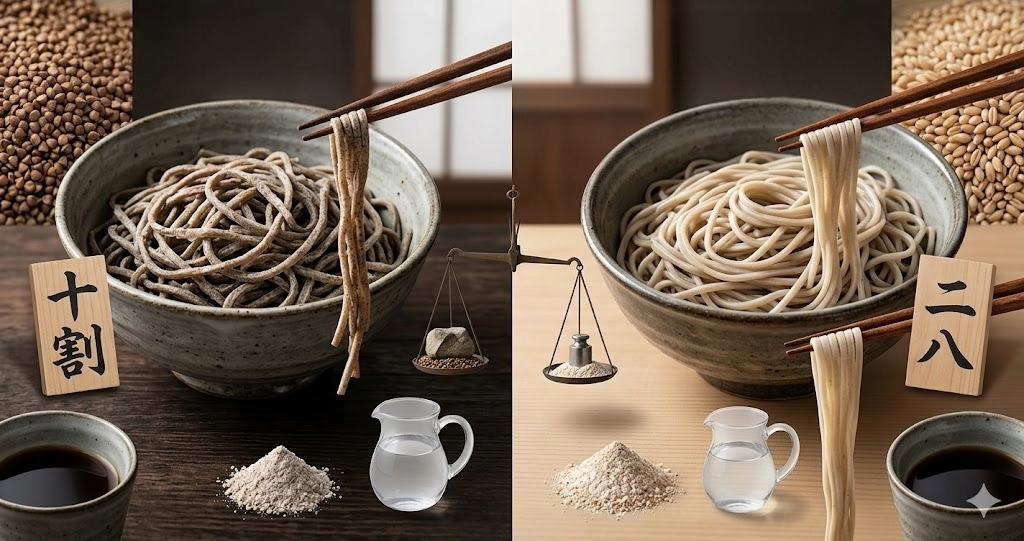
The Craft of Soba: What the Ratio Reveals
The Craft of Soba: What the Ratio Reveals A soba noodle is made from two things: buckwheat and water. The question is how much of each, and what that choice costs the craftsperson — and reveals to the person eating. There is a question that a serious soba shop must answer before it opens each morning: what ratio? Th... -
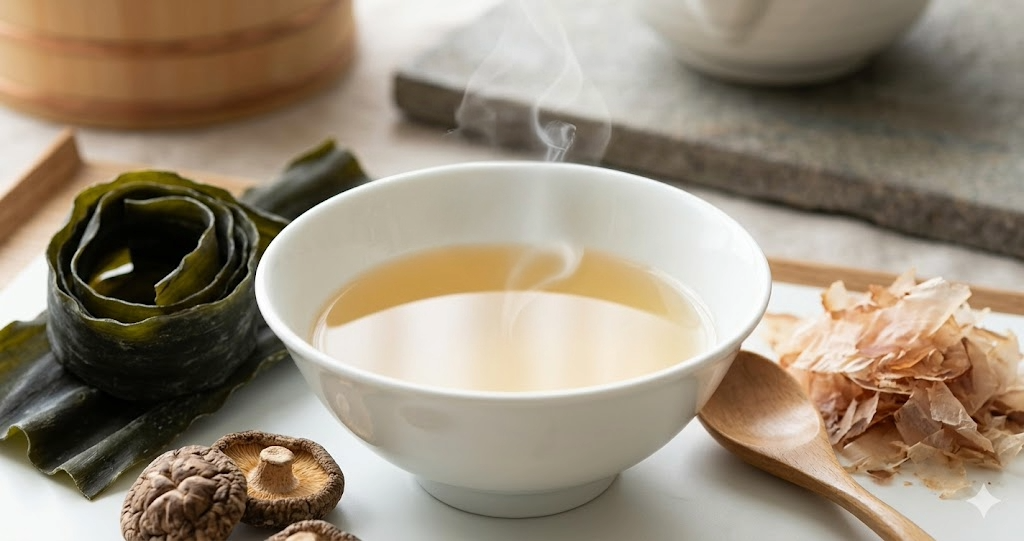
The Philosophy of Dashi: Japan’s Invisible Foundation
The Philosophy of Dashi: Japan's Invisible Foundation Japanese cooks do not make dashi. They draw it. That single verb — hiku, to pull — contains an entire philosophy of cooking, and an answer to why Japanese cuisine tastes the way it does. Set a bowl of good miso soup in front of someone who has never encountered J... -

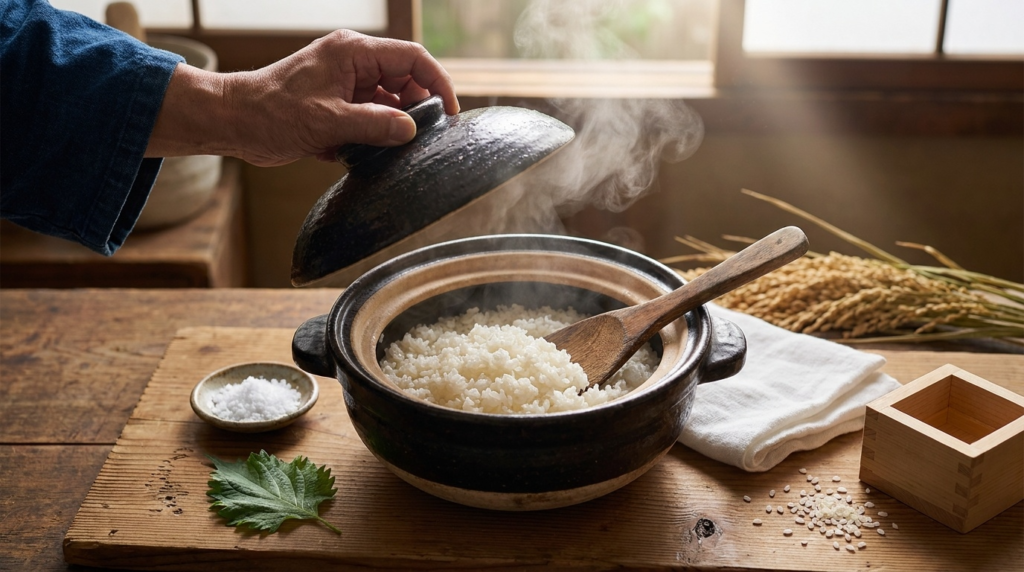
How to Cook Rice Like It Matters
How to Cook Rice Like It Matters In Japan, rice is not a side dish. It is the center of the meal, the measure of a cook's attention, and a living expression of respect — for the ingredient, for the season, and for the people at the table. There is a Japanese word — gohan — that means both "cooked rice" and "meal." T...
12