Japanese food culture– tag –
-

The Box That Traveled: A History of the Japanese Bento
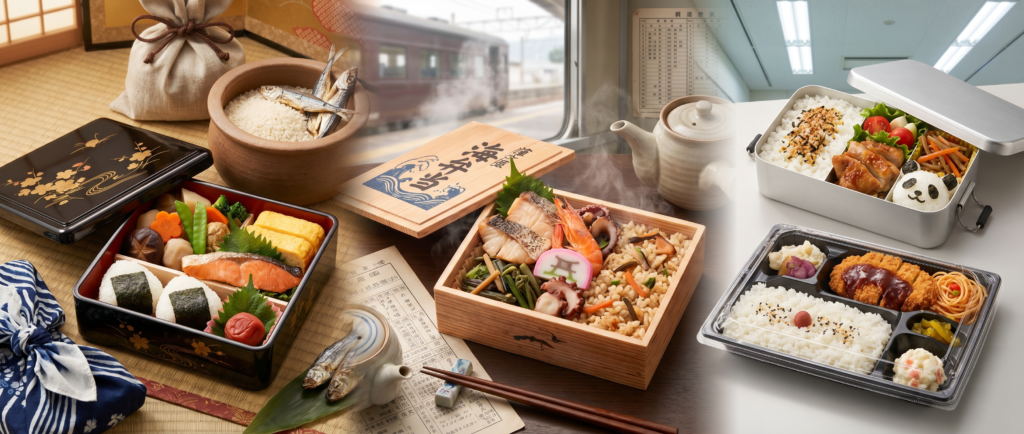
The Box That Traveled: A History of the Japanese Bento From dried rice carried into medieval battlefields to a convenience-store lunch and a rice ball shaped like a cartoon face, the bento is a thousand-year record of a single, quietly persistent idea: that a meal should be able to go with you. Almost every culture ... -
Frying as Restraint: Tempura and the Art of the Light Touch
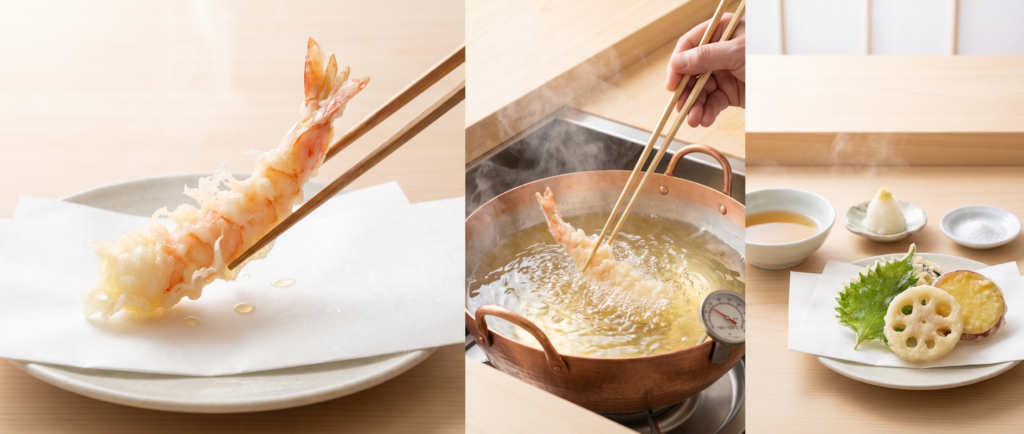
Frying as Restraint: Tempura and the Art of the Light Touch Deep-frying is usually an act of addition — batter, richness, weight. Japanese tempura is the opposite: a technique whose entire purpose is to take moisture away and leave the ingredient more itself than before. There is a moment, at a good tempura counter,... -
Types of Miso: White, Red & Awase Explained
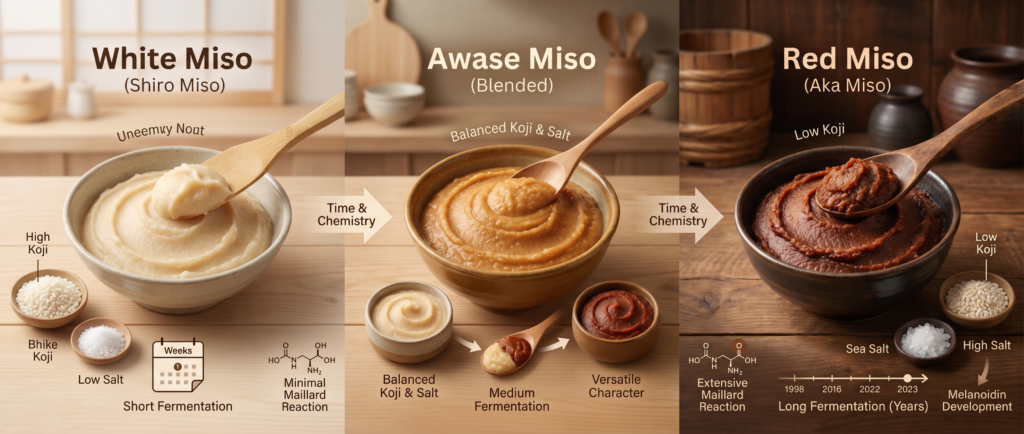
Types of Miso: White, Red & Awase Explained Everyone learns the shorthand: white miso is sweet, red miso is salty. It's true enough to be useful — and it explains nothing. The interesting question is why the same three ingredients divide into pale and dark, mild and deep, in the first place. Stand in front of th... -
The Noodle That Asks Nothing of You: Udon and the Comfort of Wheat
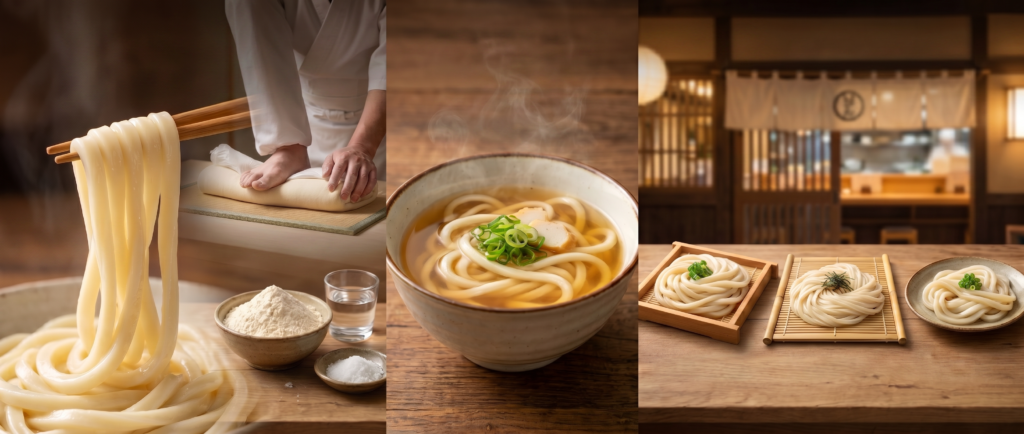
The Noodle That Asks Nothing of You: Udon and the Comfort of Wheat Soba is defined by what it lacks — gluten, and the difficulty that absence creates. Udon is defined by the opposite: gluten is its whole reason for being, and everything worth knowing about it flows from that one fact. There is a particular kind of c... -
Sushi vs Sashimi: What’s Actually the Difference?
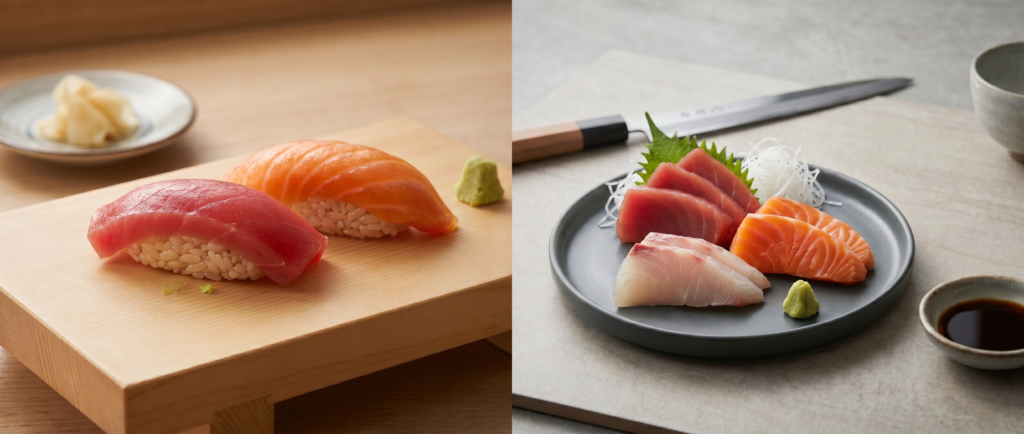
Sushi vs Sashimi: What's Actually the Difference? The short answer is one word: rice. But the more interesting question is why Japan gave a name — and the status of a complete dish — to something as apparently simple as a slice of raw fish. Ask ten people what the difference between sushi and sashimi is, and most wi... -
Sake for Beginners: How to Choose Your First Bottle
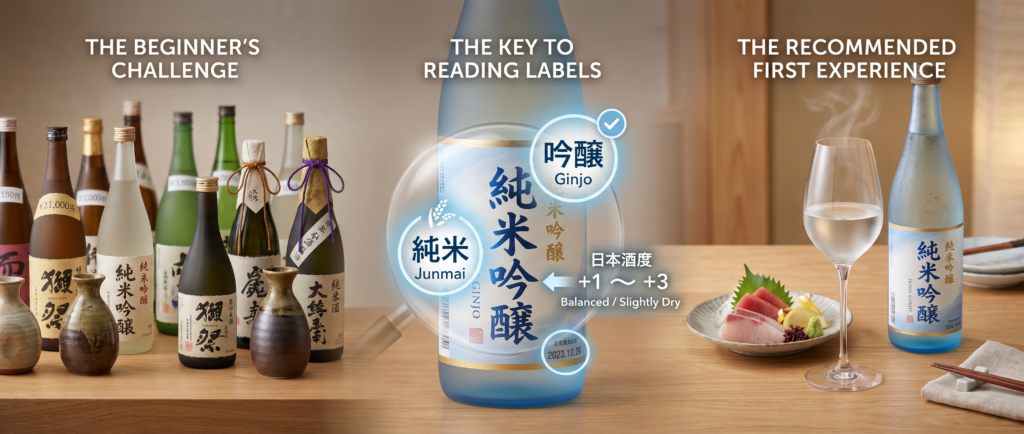
Sake for Beginners: How to Choose Your First Bottle The hardest part of drinking sake is not drinking it — it is standing in front of a shelf of unfamiliar bottles and having no idea where to begin. The good news is that a few simple ideas will take you most of the way there. There is a particular feeling that comes... -
How to Make Matcha: A Beginner’s Guide
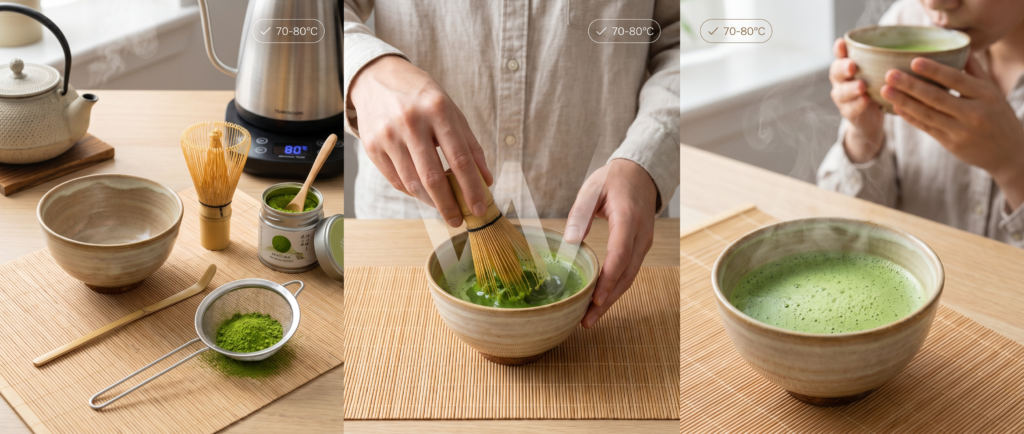
How to Make Matcha: A Beginner's Guide A good bowl of matcha takes about two minutes to make and almost nothing to get wrong — once you understand the three things that actually matter: the powder, the water, and the whisk. Making matcha can look intimidating from the outside. There is the special bowl, the bamboo w... -
How to Serve Sake: Temperature, Cups & Pairing
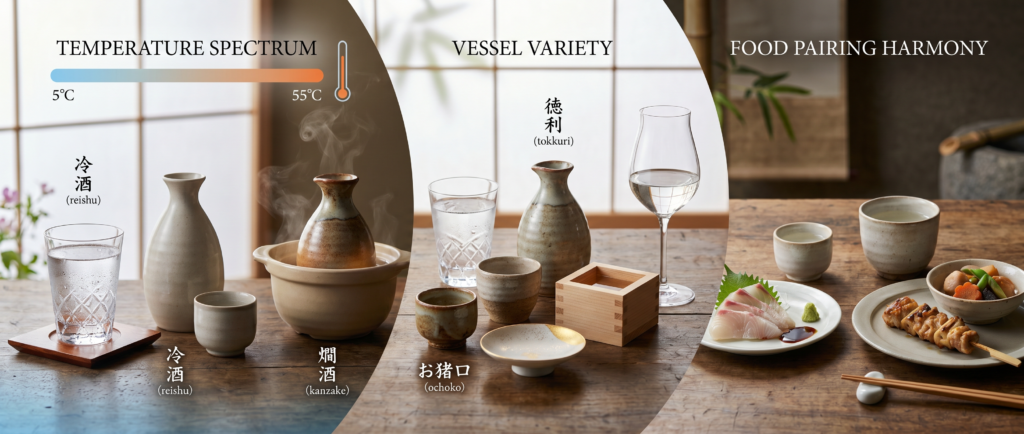
How to Serve Sake: Temperature, Cups & Pairing No other drink in the world is enjoyed across so wide a range of temperatures, in so many vessels, with so few fixed rules. To serve sake well is to make a series of small, deliberate choices — and each one changes what is in the glass. Most drinks have a correct se... -
Matcha vs Green Tea: What’s the Difference?
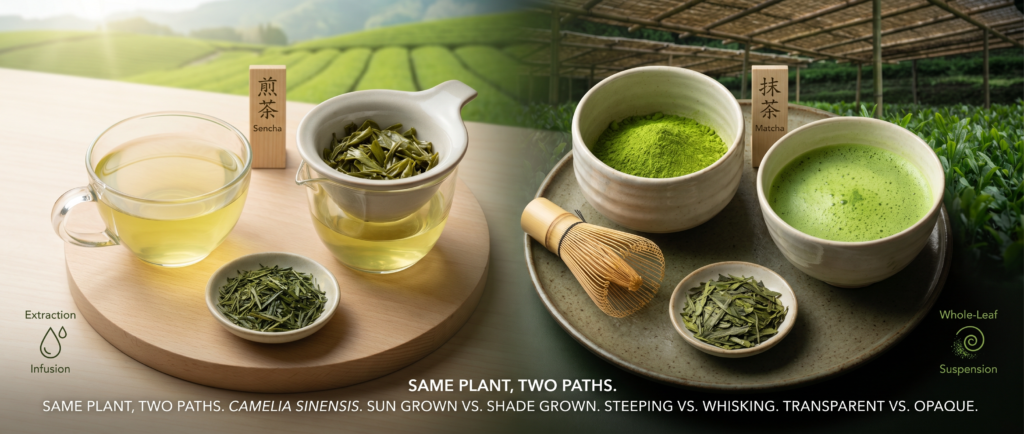
Matcha vs Green Tea: What's the Difference? They come from the same plant — the same species, often the same regions. But one is steeped and strained away, and the other is shaded, ground, and swallowed whole. That single difference changes everything about how they taste, how they are made, and what they do. It sur... -
The Four Tares: Shio, Shoyu, Miso & Tonkotsu Explained
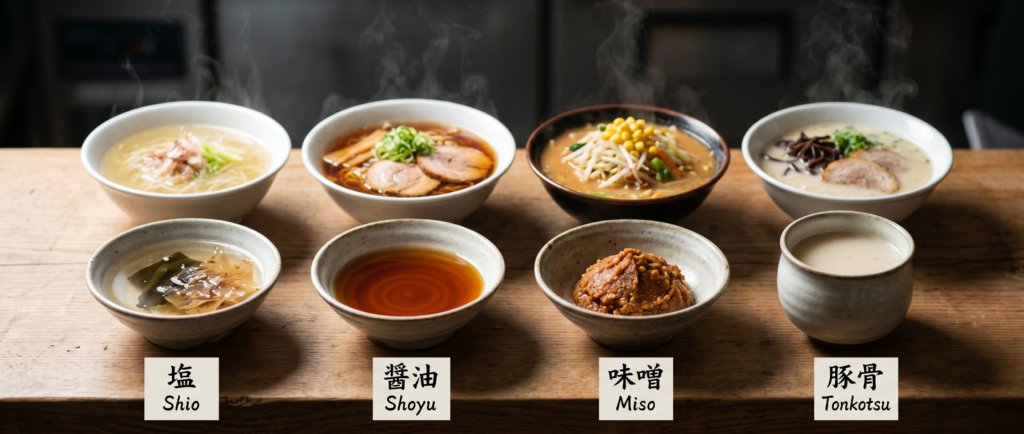
The Four Tares: Shio, Shoyu, Miso & Tonkotsu Explained Every bowl of ramen is named for one of these four words. But only three of them are the same kind of thing — and understanding why the fourth is different is the clearest way to understand how a bowl of ramen is actually built. Walk into a ramen shop anywhe... -
The Rice Was Always the Point: Shari and the Hidden Half of Sushi
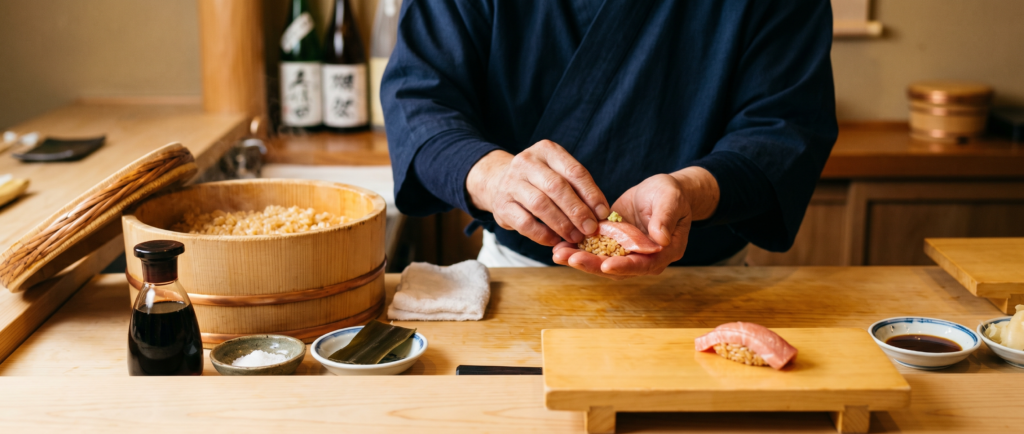
The Rice Was Always the Point: Shari and the Hidden Half of Sushi Every conversation about sushi begins with the fish. But ask a master what defines their craft, and the answer is almost always the rice — its temperature, its seasoning, and the vinegar that has quietly shaped Edo-style sushi for over two hundred yea... -
Cooking as Devotion: A Guide to Japan’s Zen Temple Cuisine
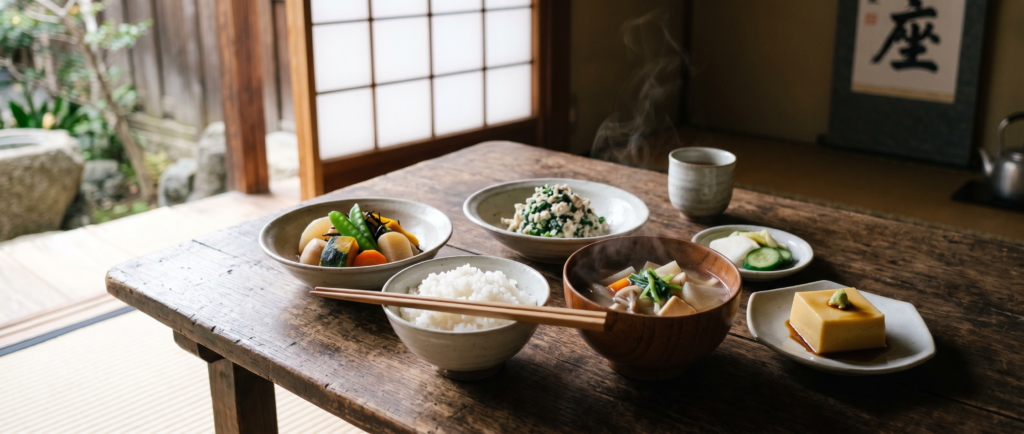
Shōjin ryōri is Zen Buddhist temple cuisine where cooking becomes spiritual practice. Following Dōgen's 13th-century teachings, it uses plant-based ingredients within the "rule of five" framework, emphasizing mindfulness, seasonal harmony, and waste-nothing principles.