Waden– tag –
-

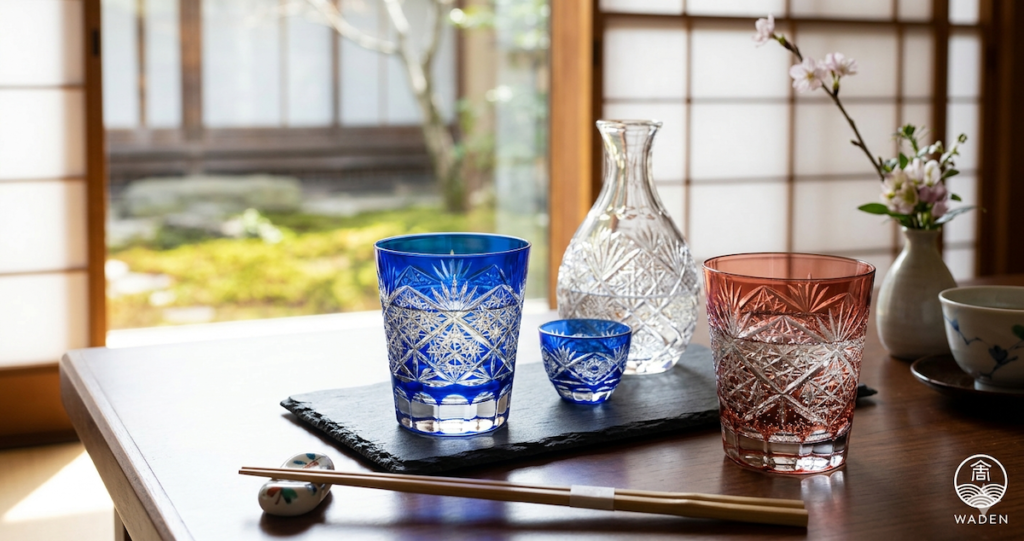
The Glass That Cuts Light
This article introduces Kiriko, Japan's traditional geometric cut glass art, detailing its history, the distinct Edo and Satsuma traditions, the handcrafted production process, auspicious patterns, and its elegant use at the table. -
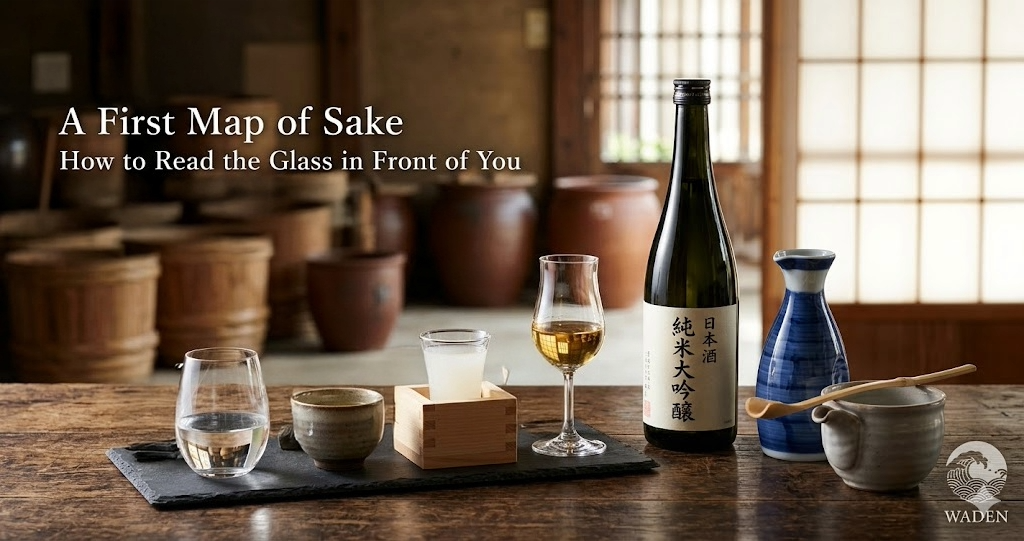
A First Map of Sake
This guide demystifies Japanese sake by explaining the two core variables: rice polishing ratios and added alcohol, helping readers navigate classifications from Junmai and Honjojo to premium Ginjo and Daiginjo. -
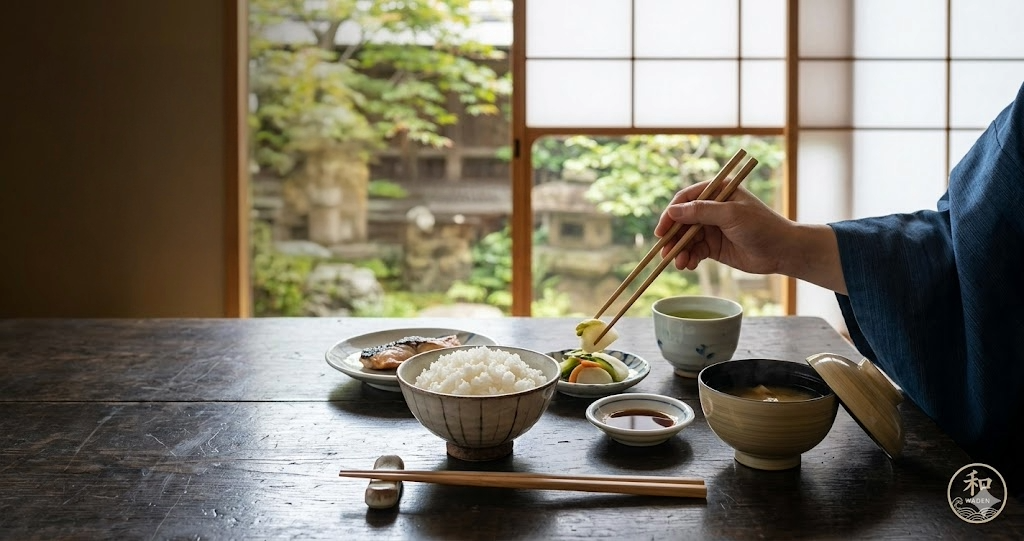
The Unspoken Language of Chopsticks
Japanese chopstick etiquette (hashi) is a system of unspoken rules rooted in culture and ritual, emphasizing respect for the meal, the host, and companions. -
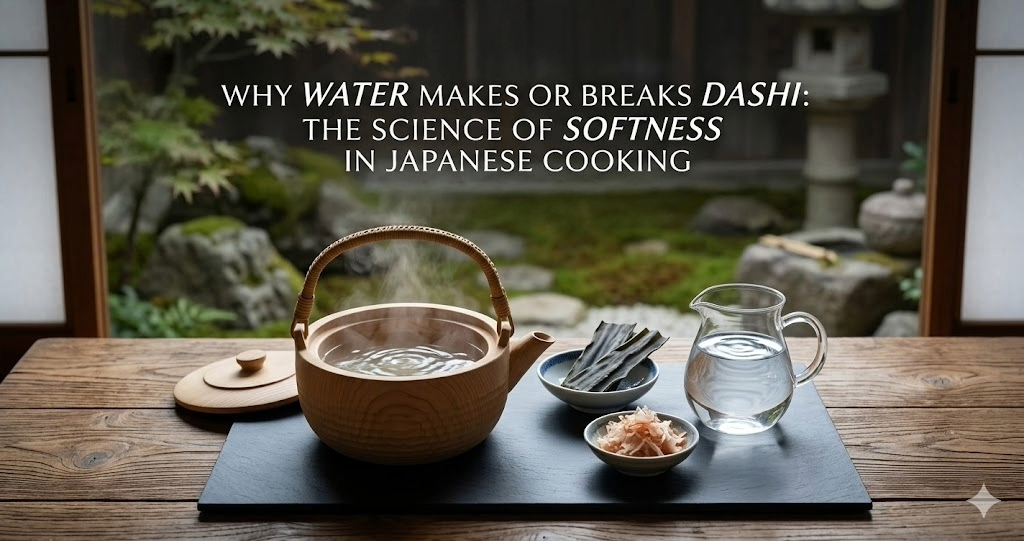
Why Water Makes or Breaks Dashi: The Science of Softness in Japanese Cooking
Water hardness critically affects dashi: soft water enables full umami extraction from kombu and katsuobushi, while hard water blocks it, explaining regional Japanese flavors and why results differ abroad. -
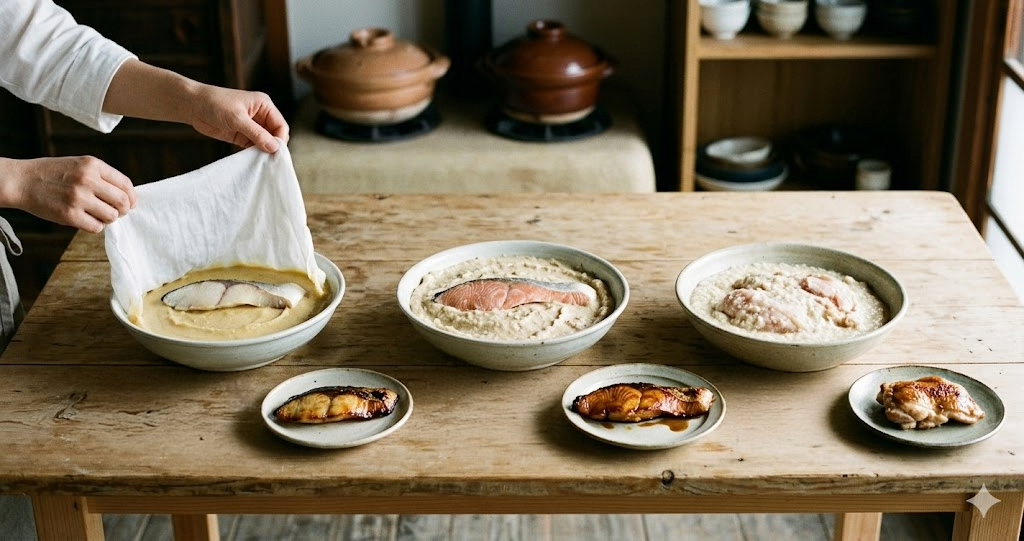
Before the Grill: Japan’s Tradition of Marinating Fish and Meat in Fermented Pastes
Japanese fermented marinades like miso, sake lees, and shio koji transform fish and meat internally, enhancing umami, tenderness, and caramelization before grilling completes the process. -
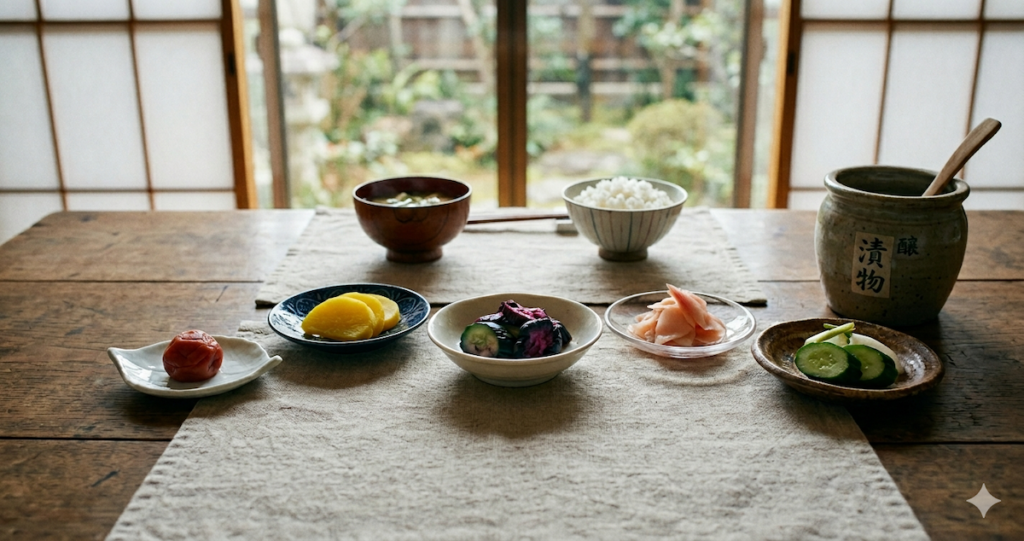
Fragrant Things: What Tsukemono Reveals About How Japan Thinks About Food
Tsukemono are diverse Japanese pickles that provide contrast, cleanse the palate, and structure meals, with regional methods and long fermentation reflecting Japan’s seasonal ingredients and food philosophy. -
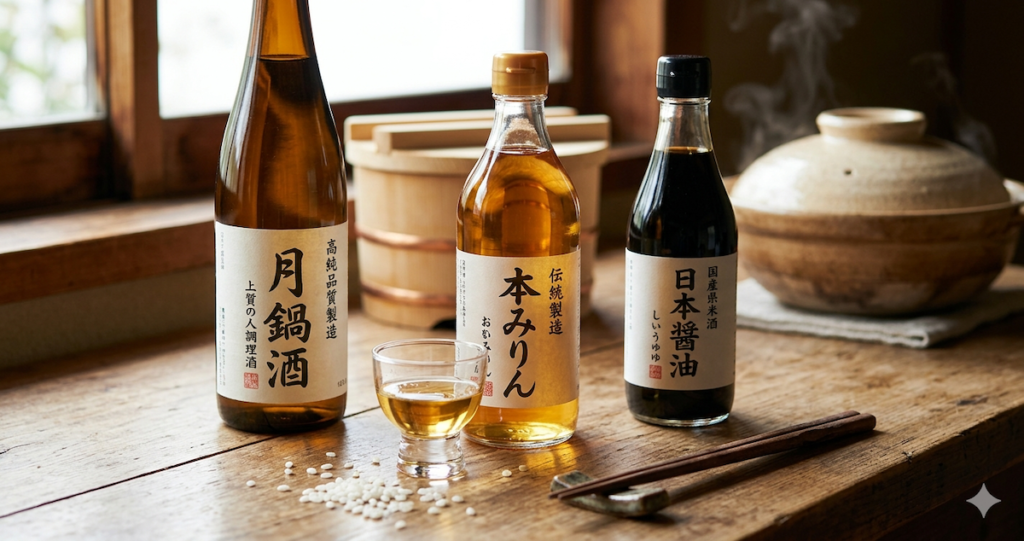
The Bottle That Makes Japanese Food Shine: An Introduction to Mirin
Mirin is a fermented sweet rice seasoning that adds depth, gloss, and balance to Japanese cooking, differing from sake and sugar through its complex sugars and essential role in sauces. -
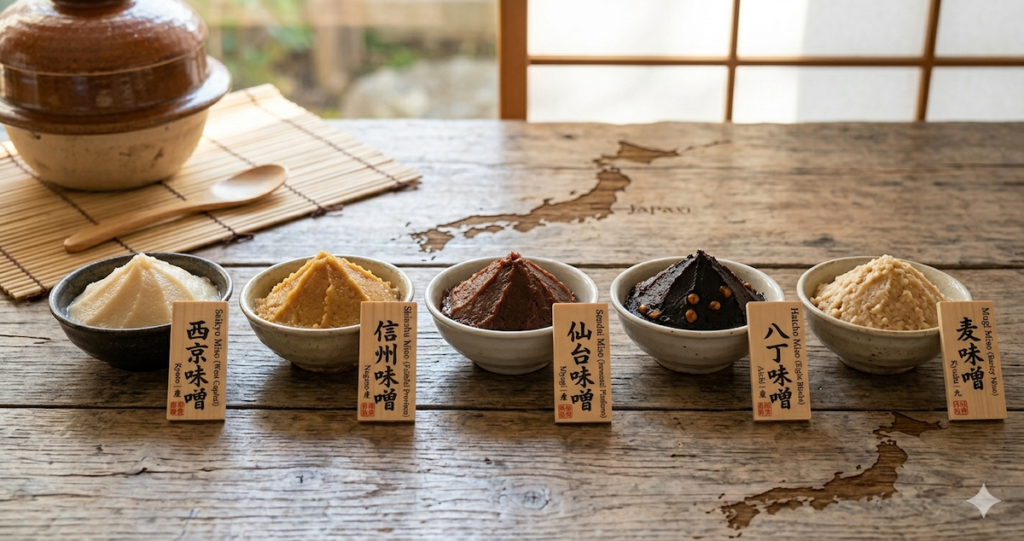
A Country in a Jar: How Japan’s Regions Shaped Miso Into Many Different Worlds
Japan’s miso varies by region, shaped by climate, ingredients, and fermentation, creating diverse flavors from sweet Kyoto saikyo to rich Aichi hatcho, each reflecting local culture. -
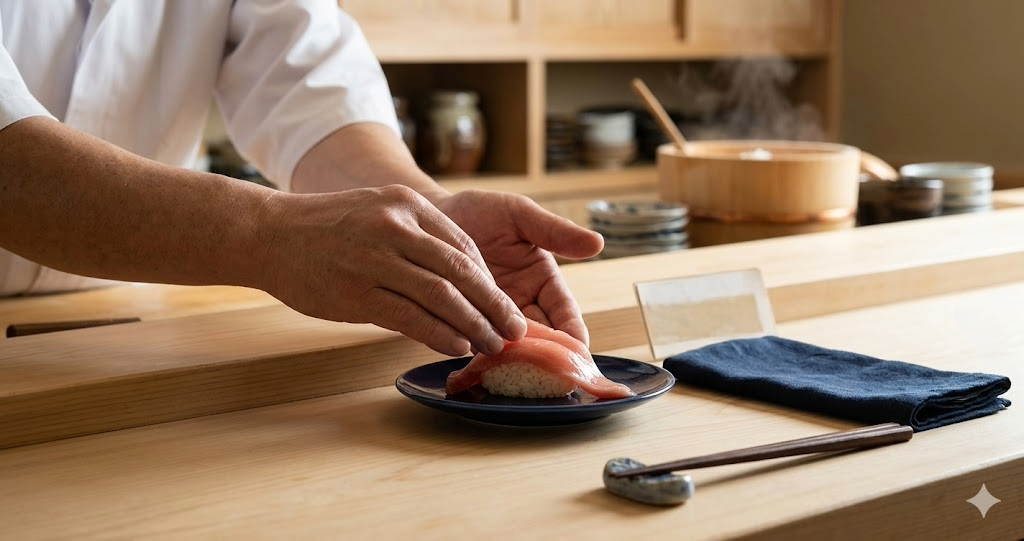
One Bite, One Truth: Why Sushi Was Never Meant to Be Divided
Sushi is meant to be eaten in one bite to preserve its balance of temperature, texture, and flavor, as dividing it disrupts the chef’s precise composition and intended experience. -
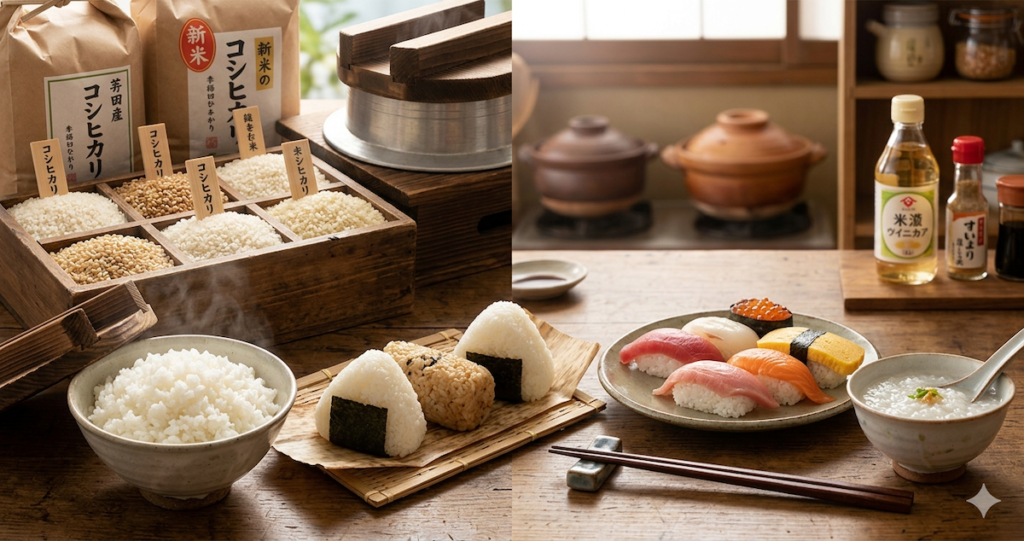
Not All Rice Is the Same: How Japan Chooses the Right Grain for Every Bowl
Not All Rice Is the Same: How Japan Chooses the Right Grain for Every Bowl In Japan, rice is not a backdrop. It is a decision — shaped by texture, temperature, and the dish that will receive it. A Grain Unlike Any Other To someone raised on long-grain rice — basmati, jasmine, or the standard supermarket varieties fo... -
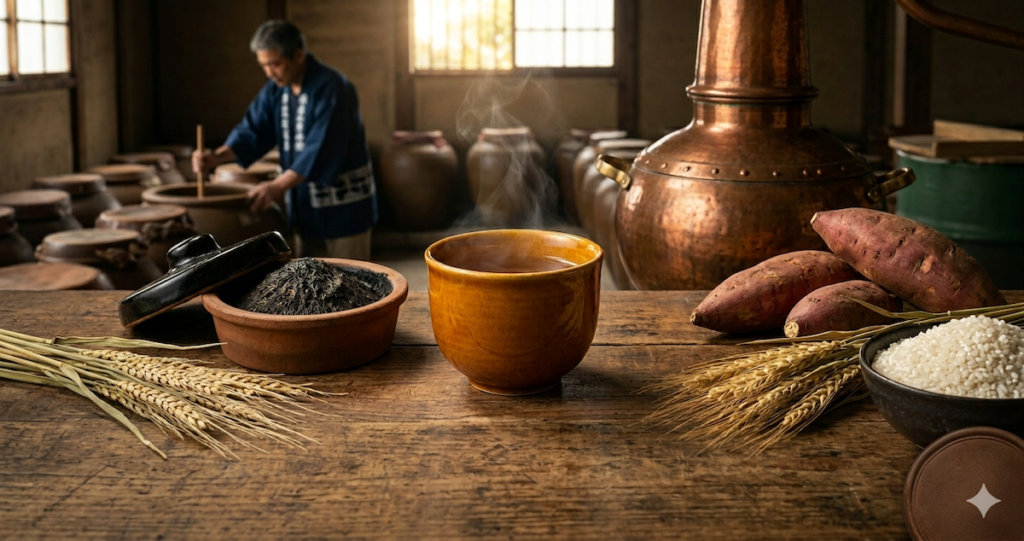
Land, Mold, and Fire: An Introduction to Shochu, Japan’s Everyday Spirit
Shōchū, Japan's most consumed spirit, surpasses sake in popularity and embodies local culture through unique fermentation with koji mold. Its diverse varieties reflect regional ingredients and traditions, inviting slow enjoyment. -
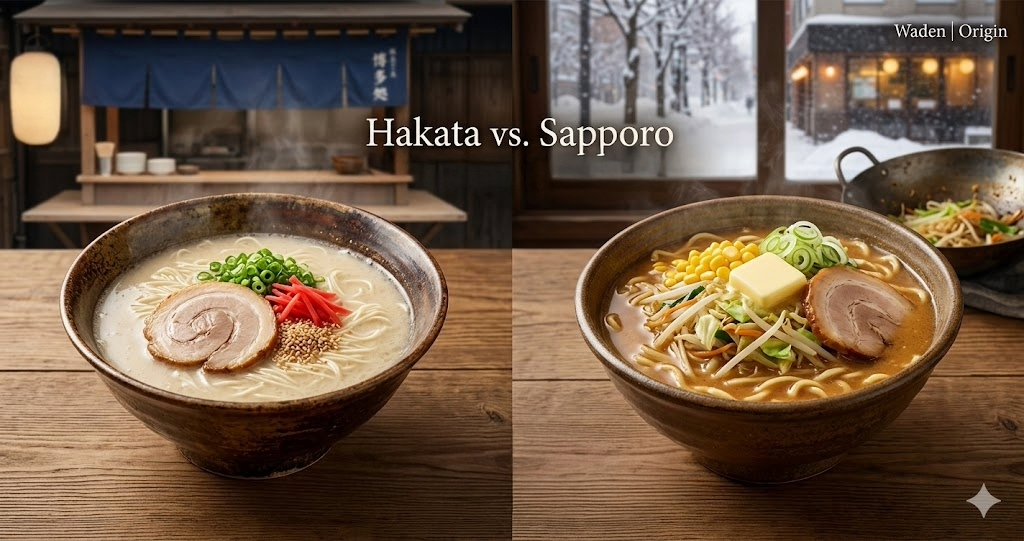
Hakata vs. Sapporo: How a City Shapes Its Ramen
Hakata vs. Sapporo: How a City Shapes Its Ramen Two cities. Two climates. Two completely different answers to the same question: what should a bowl of ramen feel like? The distance between Hakata's milky pork broth and Sapporo's miso-fired warmth is not just geography — it is the story of how place becomes flavor. R...