Waden– tag –
-

The National Fungus: Koji and the Mould That Built the Japanese Kitchen
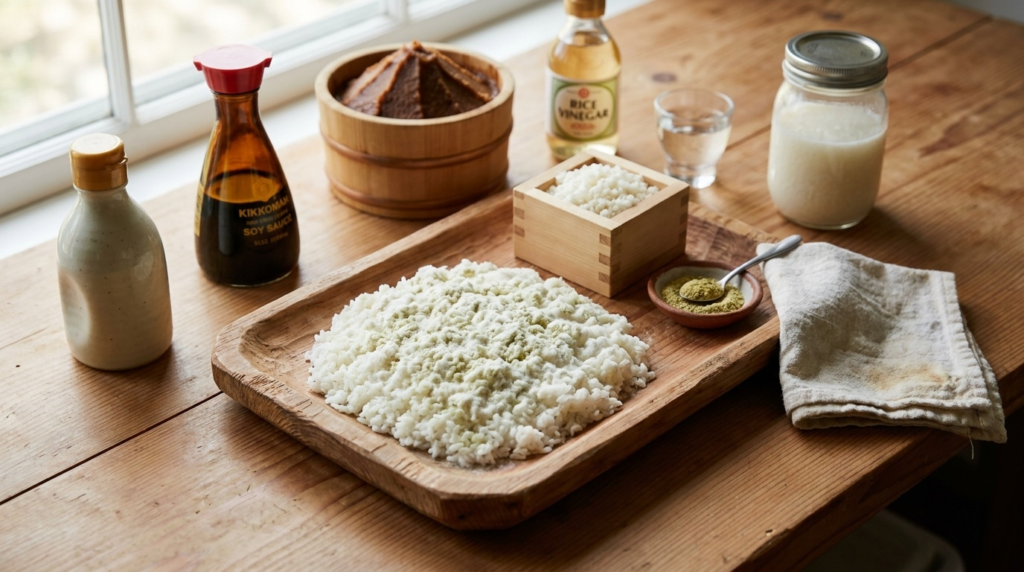
The National Fungus: Koji and the Mould That Built the Japanese Kitchen In 2006 a scientific society in Japan formally declared a mould to be the national fungus. It sounds like a joke. It is closer to a statement of fact — remove this one organism and most of what the world recognises as Japanese flavour disappears... -
The Cup Came Last: Tokkuri, Ochoko, and the Vessels That Shaped Japanese Drinking
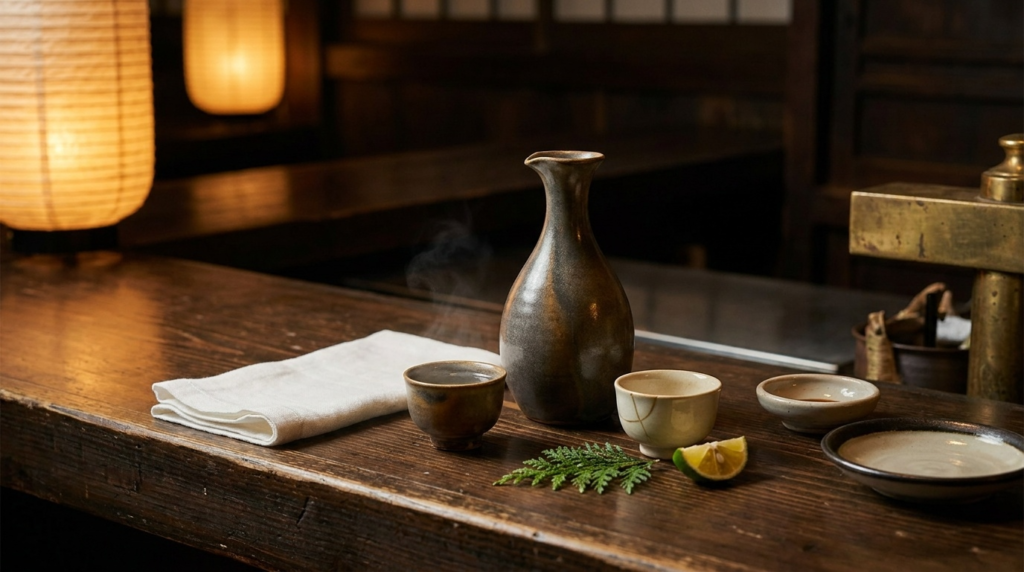
The Cup Came Last: Tokkuri, Ochoko, and the Vessels That Shaped Japanese Drinking The flask on your table was designed to carry soy sauce. The cup beside it started life as a dish for appetisers. Almost nothing in the Japanese sake service was built for the job it now does — which is exactly what makes the set inter... -
Eating the Mountains: Sansai and Japan’s Art of Making Wild Vegetables Edible
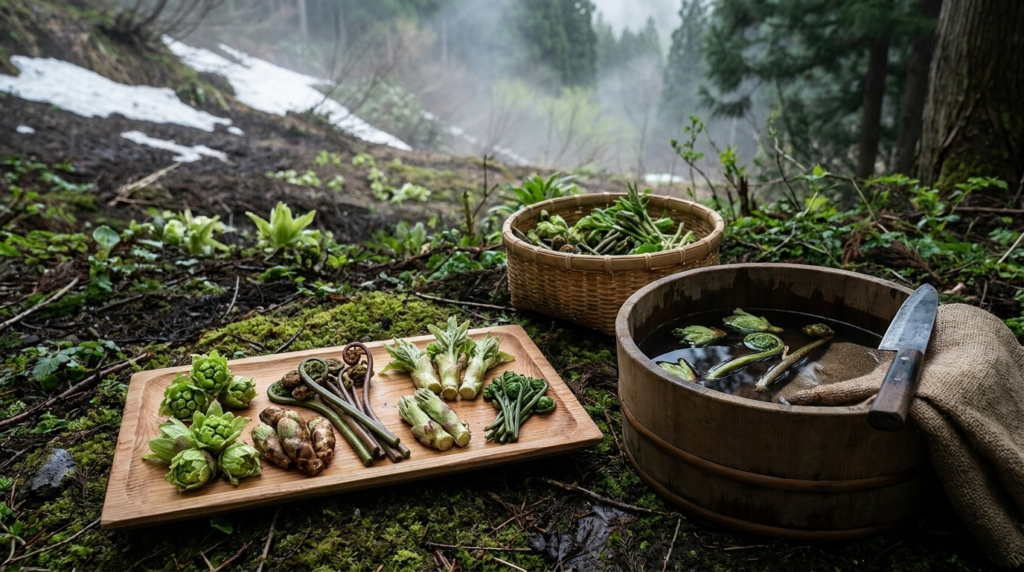
Eating the Mountains: Sansai and Japan's Art of Making Wild Vegetables Edible Every spring, Japan gathers a fern that is mildly carcinogenic raw, soaks it in wood ash, and serves it as a delicacy. That sentence contains most of what is interesting about sansai — the wild mountain vegetables that are the last part of... -
The Country That Forgot How to Make Salt: Japan, the Sea, and the Salt on Your Shelf
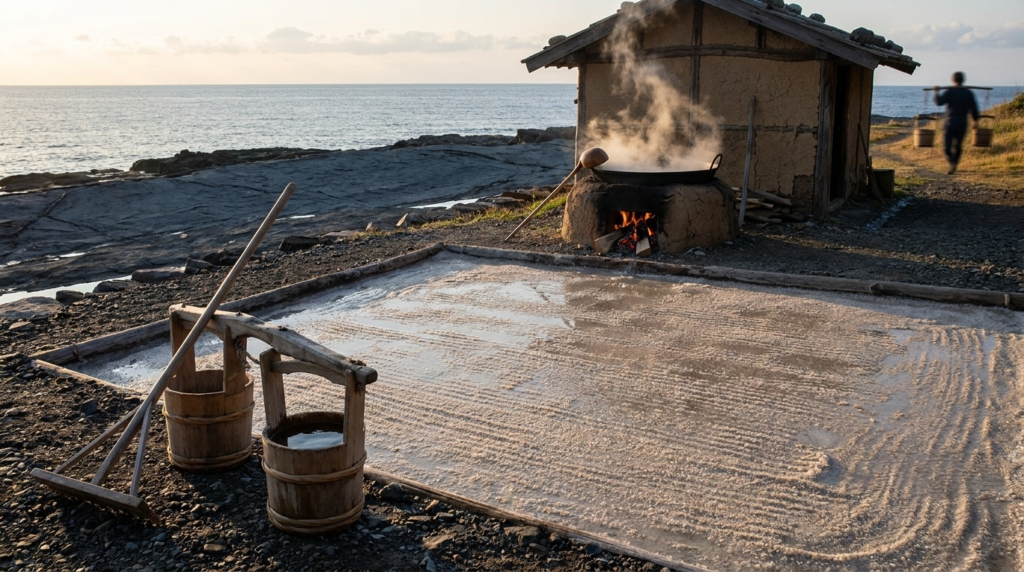
The Country That Forgot How to Make Salt: Japan, the Sea, and the Salt on Your Shelf Japan is an archipelago with no rock salt, no salt lakes, and a climate too wet to dry seawater in the sun. For two thousand years it solved that problem with extraordinary ingenuity — and then, in a single year in the 1970s, abolis... -
The Sushi That Smells Like Cheese: Narezushi and the Thousand Years Before Vinegar
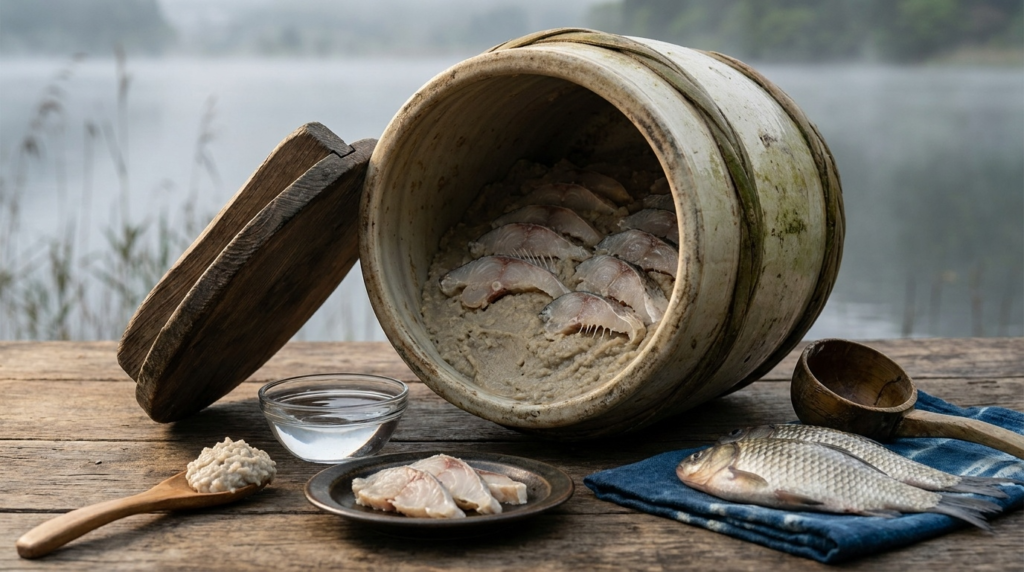
The Sushi That Smells Like Cheese: Narezushi and the Thousand Years Before Vinegar Before sushi was fast, it was slow — fish buried in rice for a year, preserved by bacteria rather than refrigeration. A handful of villages still make it. The fish they need is nearly gone. Open a jar of funazushi in a closed room and... -
The Lid That Floats: Nimono and the Discipline of the Quiet Simmer
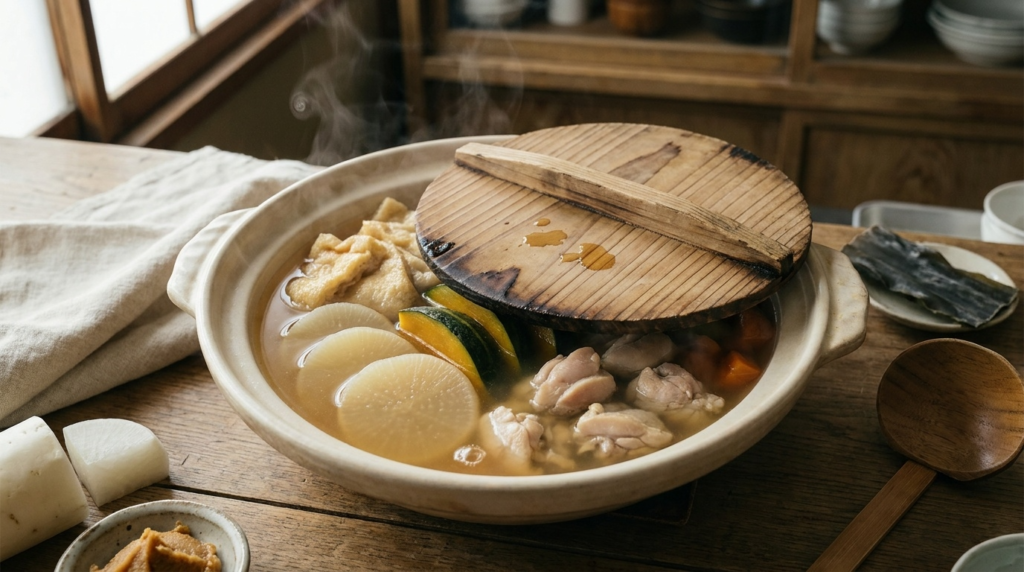
The Lid That Floats: Nimono and the Discipline of the Quiet Simmer A pot of simmered daikon in pale broth is the least photogenic thing in Japanese cooking. It is also where the logic of the entire cuisine becomes visible — in the order the seasonings go in, in a wooden disc resting directly on the food, and in how ... -
Where the Strait Narrows: Oma and the Making of Japan’s Most Valuable Tuna
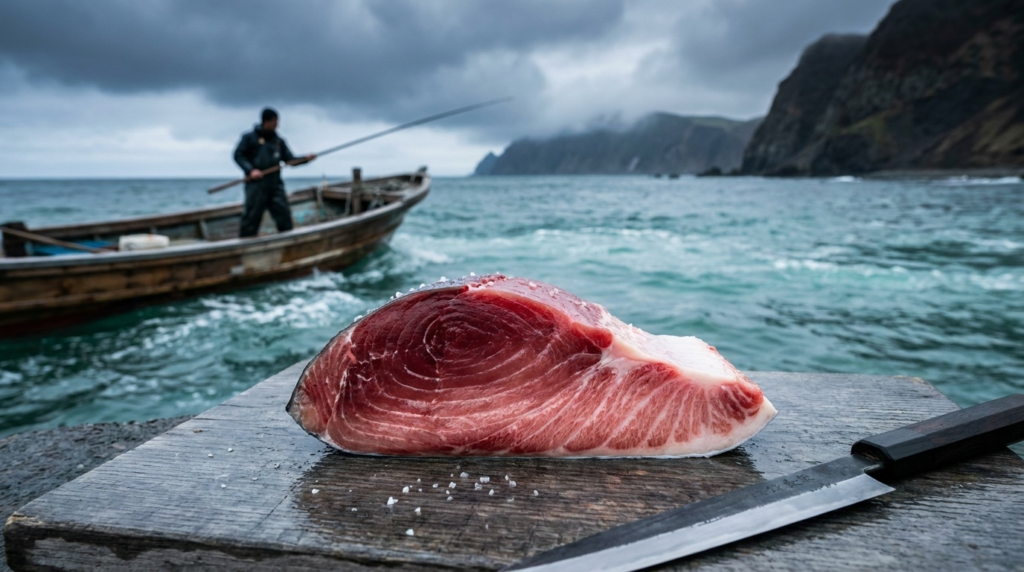
Where the Strait Narrows: Oma and the Making of Japan's Most Valuable Tuna A single tuna sold for 510.3 million yen in January 2026. It came from a town of five thousand people at the northern tip of Honshu, caught by one man alone in a small boat, on a line he held in his hands. The Tsugaru Strait is nineteen kilom... -
Harder Than Rock Salt: Katsuobushi and the Mould That Dries a Fish From the Inside
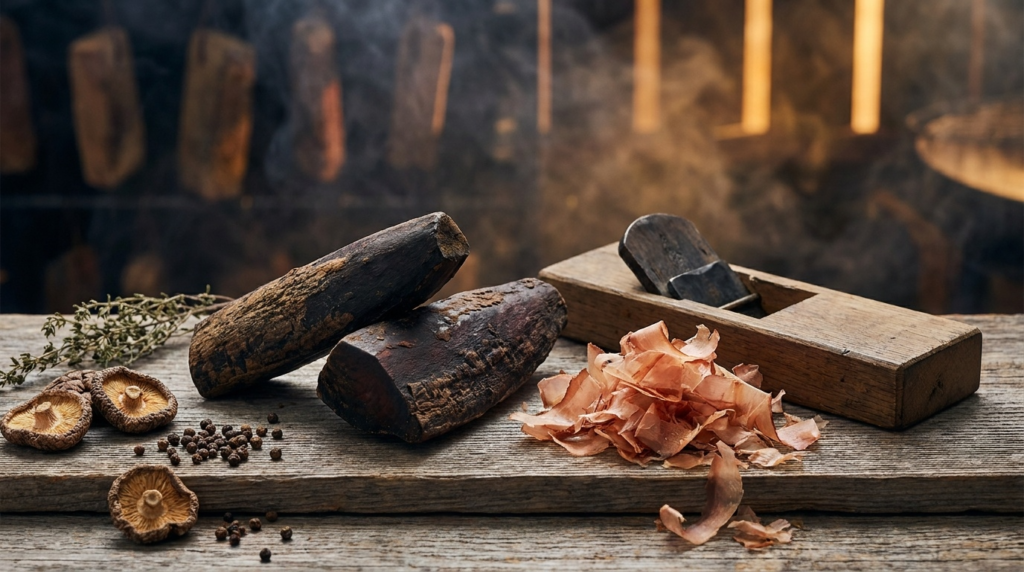
Harder Than Rock Salt: Katsuobushi and the Mould That Dries a Fish From the Inside Known in English as bonito flakes, a finished block of katsuobushi rings when you strike it. Getting there takes six months, ten fires, and four generations of a fungus that thrives in conditions close to a desert — and whose entire j... -
Autumn on the Plate: Matsutake, Sanma, and the Arithmetic of Abundance
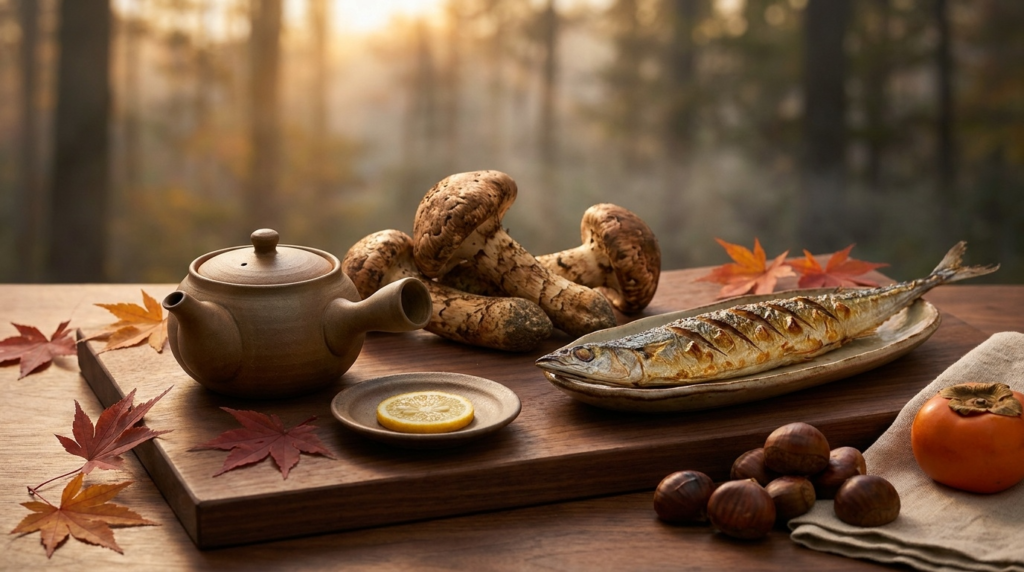
Autumn on the Plate: Matsutake, Sanma, and the Arithmetic of Abundance Japan is the only country that names a season after appetite. But the foods that define shokuyoku no aki now arrive with numbers attached — and most of those numbers are counting downward. This is what abundance looks like once it has to be measu... -
The Bento Box as Object: Magewappa, Lacquer, and the Design of a Meal Eaten Cold
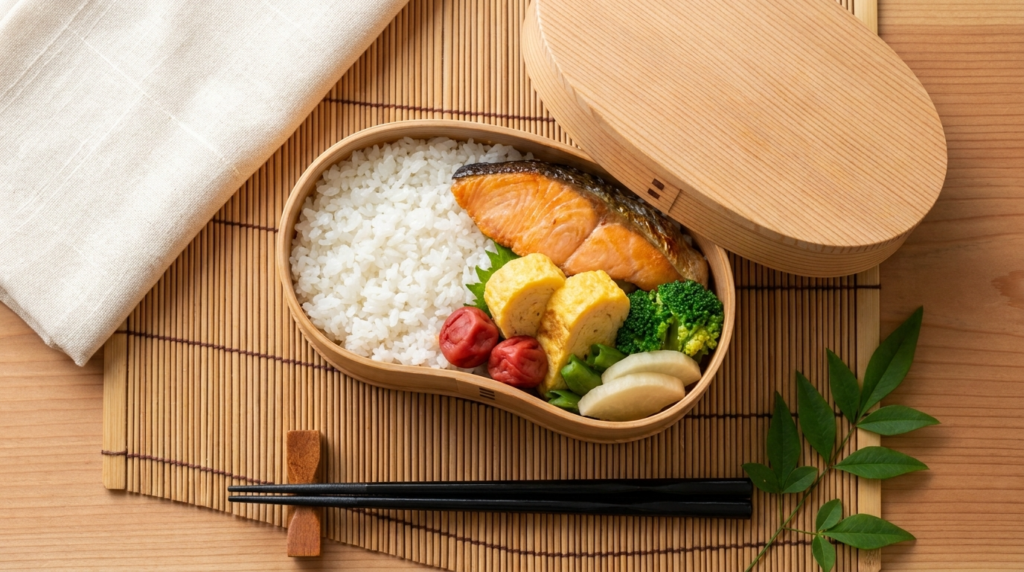
The Bento Box as Object: Magewappa, Lacquer, and the Design of a Meal Eaten Cold Almost every container in the world exists to move food from one place to another. The Japanese bento box was designed to do something harder — to keep a bowl of rice worth eating four hours after it stopped being hot, without a lid tha... -
The Uni Coast: Sea Urchin and the Geography of Japan’s Cold Shores
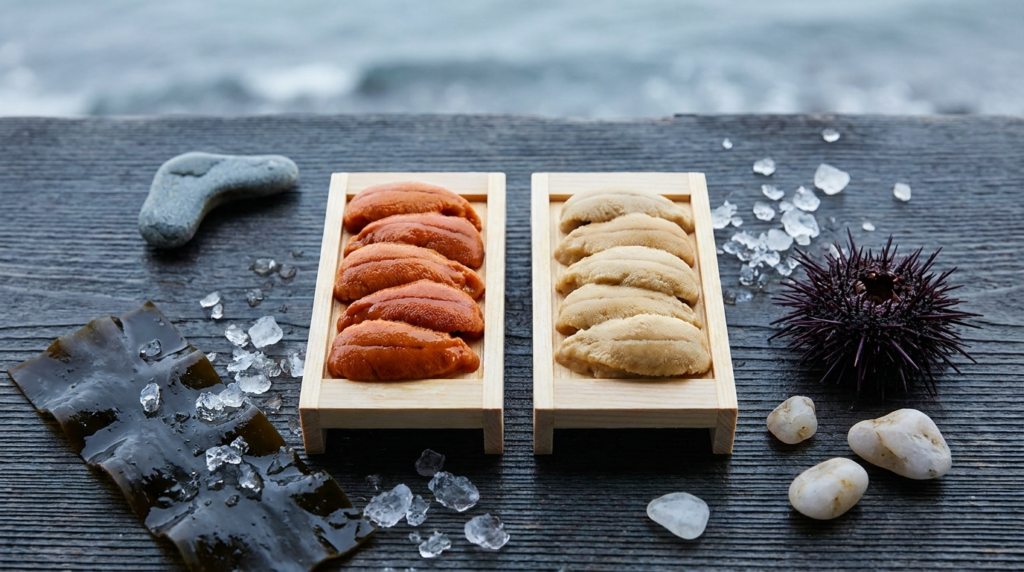
The Uni Coast: Sea Urchin and the Geography of Japan's Cold Shores Four out of every five sea urchins landed in Japan come from two stretches of coastline. It is not an accident of fishing effort. It is a map of where kelp grows — and uni is, in the most literal sense, kelp that has been eaten and rearranged. On a g... -
Amazake: The Drink Between Food and Medicine
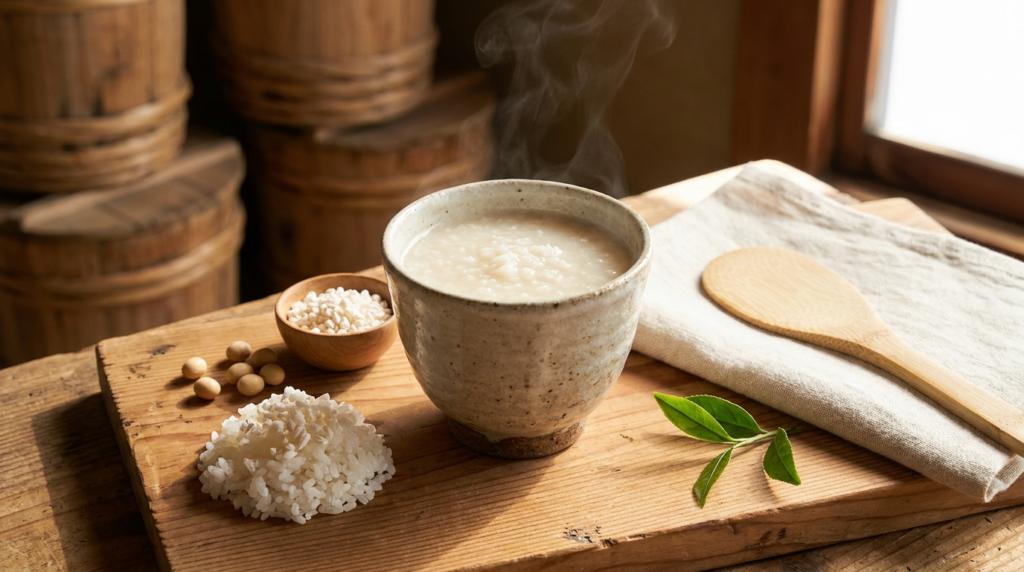
Amazake: The Drink Between Food and Medicine It is sweet, and nobody sweetened it. It is called sake, and it is usually not alcoholic. It is drunk hot at New Year shrines, and in classical poetry it is a word that means summer. Almost everything obvious about amazake turns out to be the opposite of what it looks lik...