Waden– tag –
-

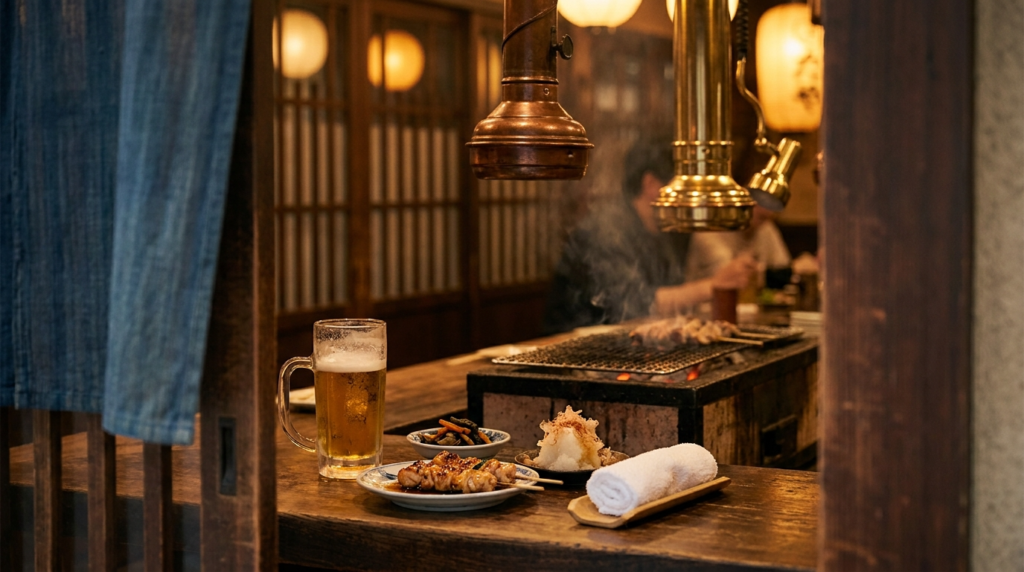
The Izakaya: How Japan Learned to Drink and Eat Together
The Izakaya: How Japan Learned to Drink and Eat Together The word is not a noun for a building. It is a verb for a habit — staying. Everything else about the izakaya, from the small dish you never ordered to the reason the food is named after the drink, grew out of that one act of not leaving. You slide open the doo... -

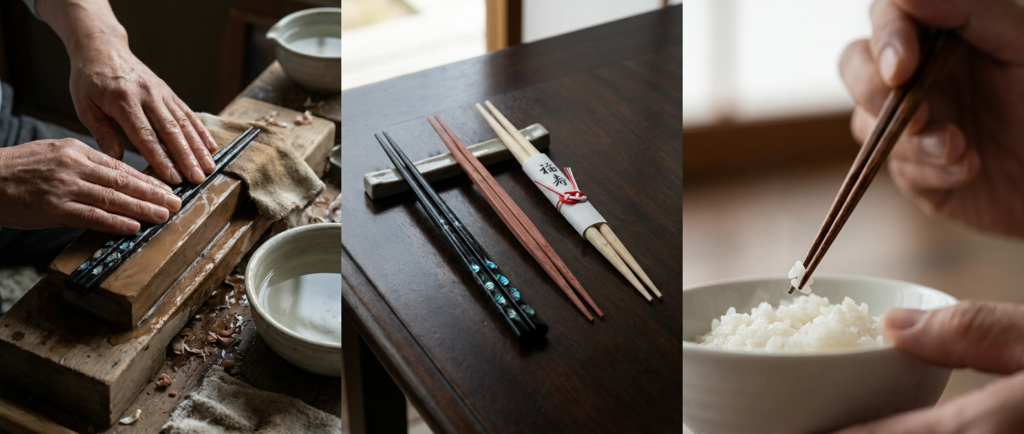
Two Sticks, Four Hundred Years: The Making of Japanese Chopsticks
Two Sticks, Four Hundred Years: The Making of Japanese Chopsticks Japan is the only chopstick culture that made the tool personal, tapered it to a point, and then built an entire industry around throwing it away. A small town on the Sea of Japan produces most of the country's lacquered pairs. A different tradition i... -
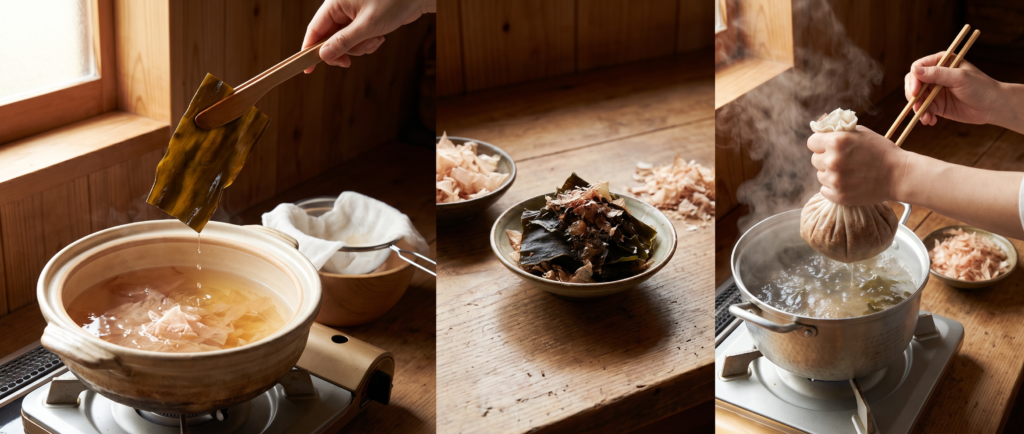
Ichiban and Niban Dashi: The Two Lives of a Handful of Shavings
Ichiban and Niban Dashi: The Two Lives of a Handful of Shavings A professional kitchen draws two entirely different stocks from the same kombu and the same katsuobushi. The first is made in about a minute and treated as perishable. The second is boiled, pressed, and wrung dry. Neither is a lesser version of the othe... -
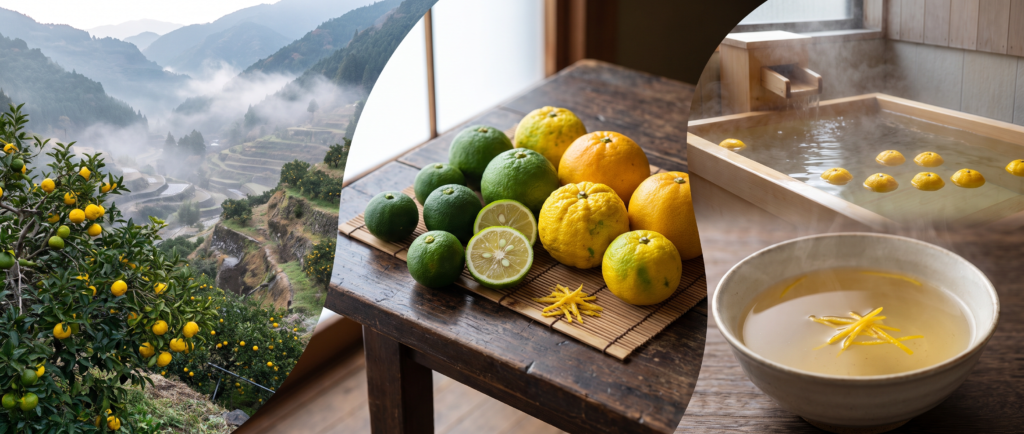
Yuzu and the Citrus That Refuses to Be a Fruit
Yuzu and the Citrus That Refuses to Be a Fruit No one bites into a yuzu. Japan's most beloved citrus is grown not to be eaten but to be smelled — its aromatic peel, its sharp cold-weather juice, and a family of green cousins that between them flavor an entire cuisine without ever appearing whole on the plate. Here i... -
Rice Vinegar: The Sourness That Was Once Sake
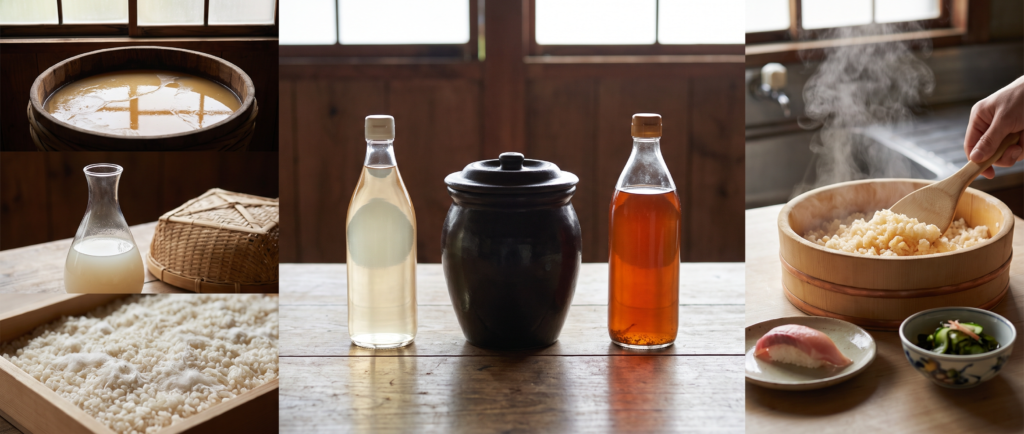
Rice Vinegar: The Sourness That Was Once Sake Every bottle of Japanese rice vinegar is a wine that went the wrong way on purpose. Before it ever touches a grain of sushi rice, it is the end of two fermentations stacked on top of each other — and the quiet foundation beneath half the Japanese table. Pour a little int... -
Umami: The Fifth Taste Japan Gave the World
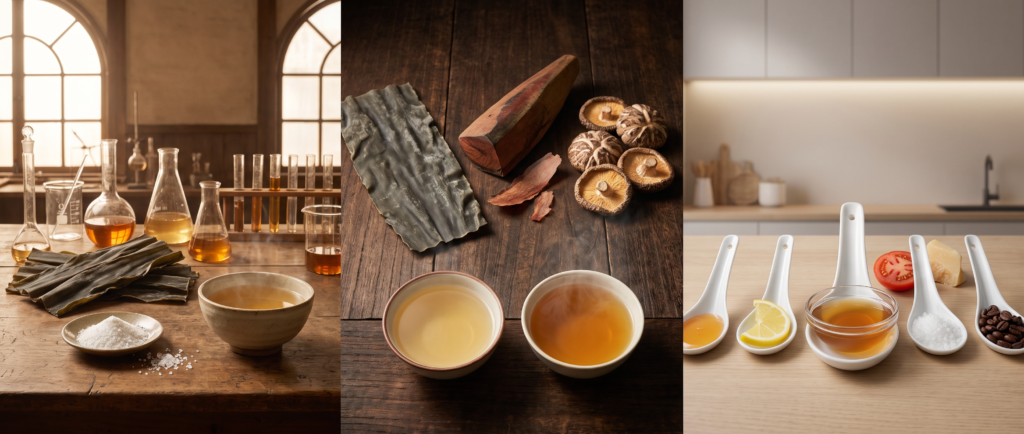
Umami: The Fifth Taste Japan Gave the World For most of a century, Western science recognized four basic tastes. The fifth had already been discovered — in a bowl of kelp broth, by a Tokyo chemist, in 1908 — and it took the world ninety years to catch up. Ask most people to name the basic tastes and they will get to... -
Spring on the Plate: Sakura, Bamboo Shoots, and the Taste of Beginnings
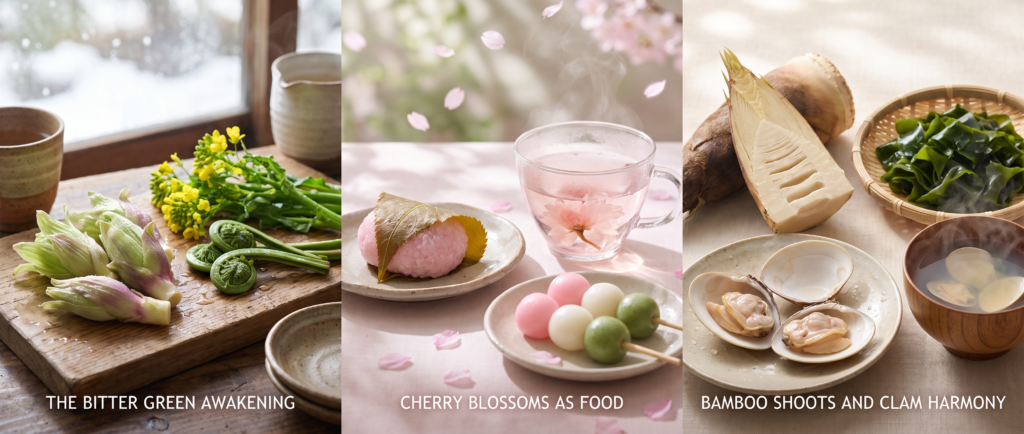
Spring on the Plate: Sakura, Bamboo Shoots, and the Taste of Beginnings Japanese spring food is built around a single idea — that a beginning has a flavor. It is faintly bitter, faintly sweet, wrapped in a salted leaf, and gone almost as soon as it arrives. Of all the seasons, spring is the one Japan seems most anxi... -
The Japanese Knife: Steel, Single Bevel, and the Soul of the Kitchen
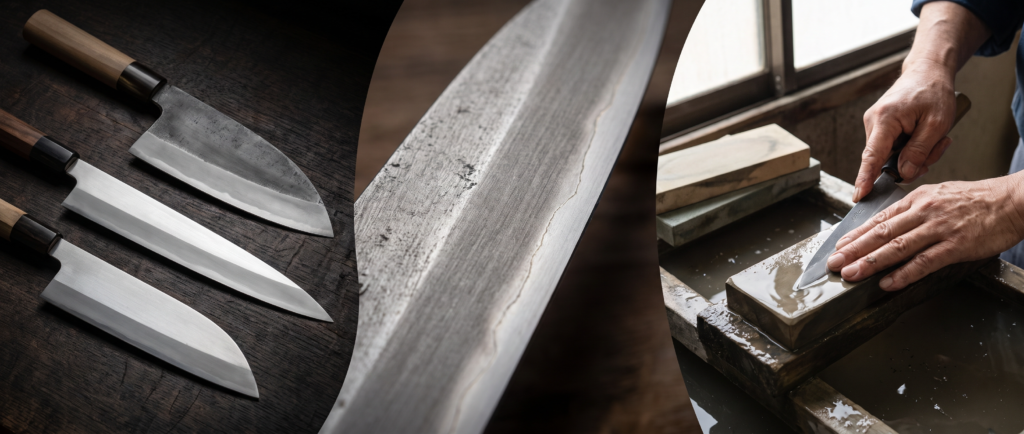
The Japanese Knife: Steel, Single Bevel, and the Soul of the Kitchen Two metals forged into one, an edge ground on a single side, and a back that is hollowed rather than flat — the traditional Japanese knife is built on ideas most Western blades never touch. Pick up a traditional Japanese kitchen knife and hold it t... -
Wasabi: The Plant That Almost No One Actually Eats
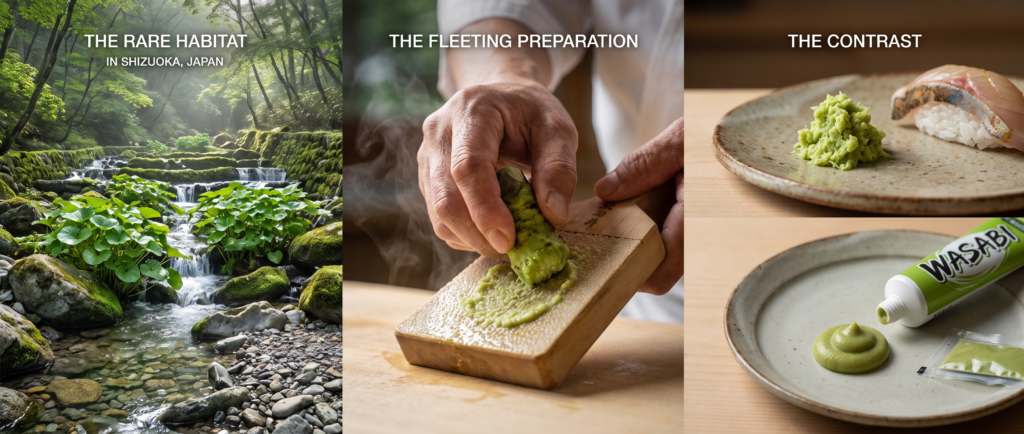
Wasabi: The Plant That Almost No One Actually Eats Real wasabi grows only in cold, running mountain water — which is why the green paste beside your sushi is, overwhelmingly, something else entirely. Here is an uncomfortable fact to begin with: the little green mound you have almost certainly eaten alongside sushi w... -
Shio Koji: The Fermented Seasoning That Quietly Rewired Modern Kitchens
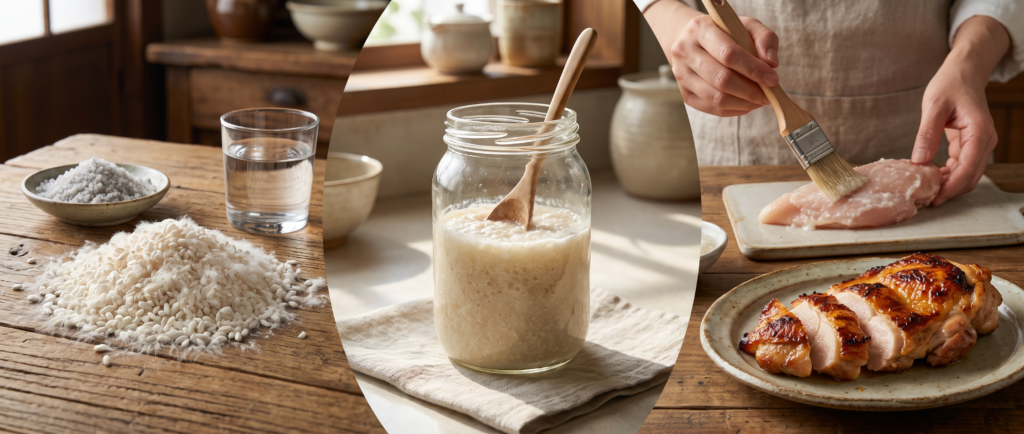
Shio Koji: The Fermented Seasoning That Quietly Rewired Modern Kitchens A cloudy paste of rice mold, salt, and water — old enough to predate refrigeration, new enough to sit on the pass at some of the best restaurants on earth. Spoon a little shio koji from the jar and it does not look like much. A pale, cloudy porr... -
What Japan Actually Registered: Washoku and the UNESCO Misunderstanding
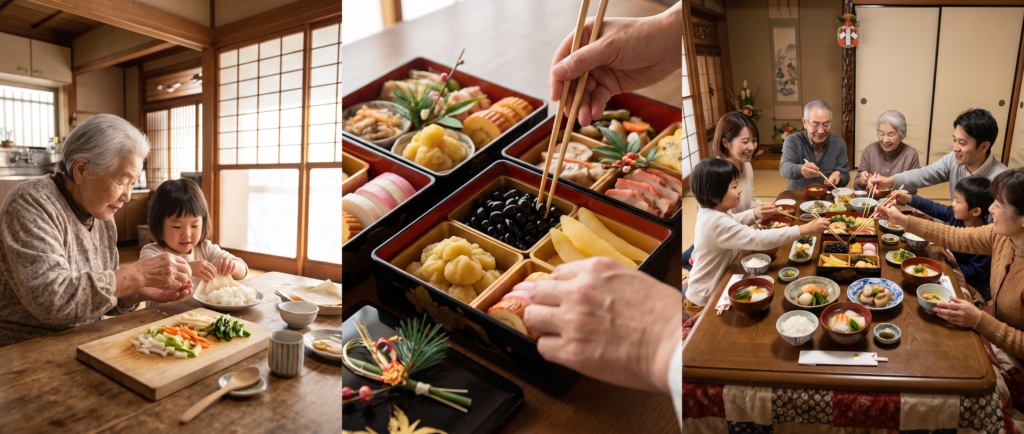
What Japan Actually Registered: Washoku and the UNESCO Misunderstanding In 2013, "washoku" joined UNESCO's list of humanity's intangible heritage. Almost everyone assumes this means sushi, tempura, and ramen were honored. What was actually inscribed is something quieter, stranger, and far more interesting. On Decemb... -
A Year at the Japanese Table: Eating Through the Twenty-Four Sekki
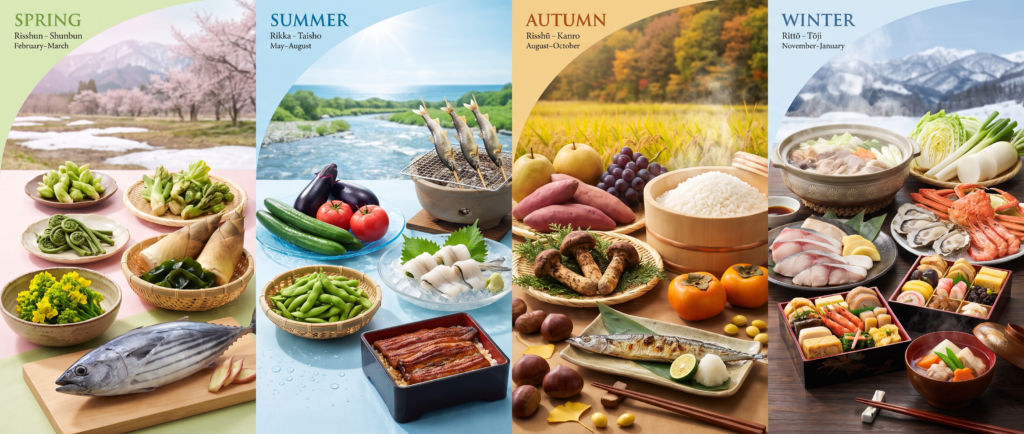
A Year at the Japanese Table: Eating Through the Twenty-Four Sekki Japan divides the year into twenty-four seasons, each about two weeks long. Walk through them in order and you are no longer reading a calendar — you are eating one. Most of the world eats by four seasons, and loosely at that. Japan keeps a finer clo...