-

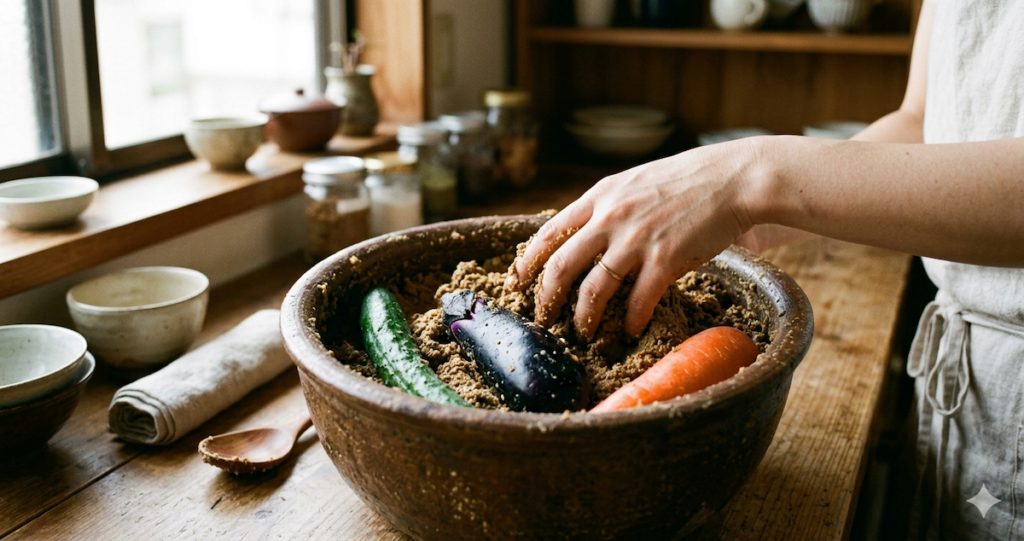
The Living Bed: A Guide to the Ancient Art of Nukazuke
This guide details the history and maintenance of nukadoko, a traditional Japanese rice bran fermenting bed, explaining how daily care creates probiotic-rich nukazuke pickles that improve with age. -
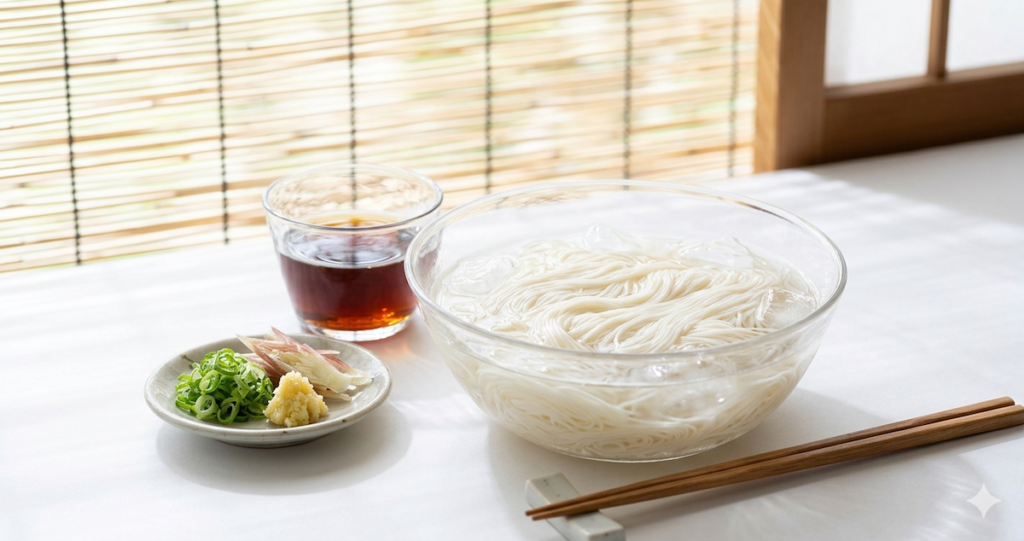
The Thinnest Thread: Somen
This article explores the 1,200-year history and "tenobe" hand-stretching technique of Japanese sōmen, highlighting its role as a delicate summer staple and its regional varieties across Japan. -
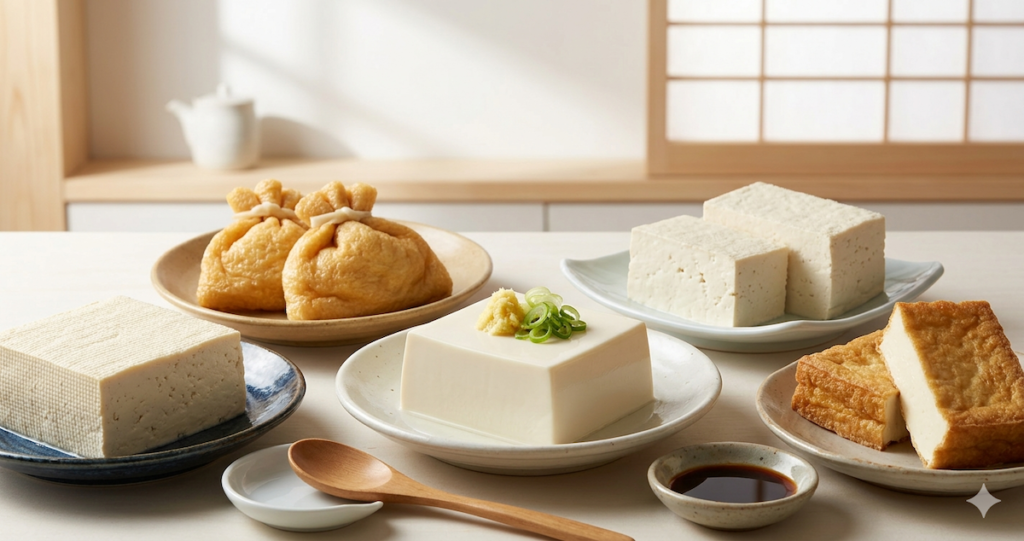
The White Block That Feeds a Nation: Tofu
This guide explores Japanese tofu’s rich history and techniques, detailing foundational varieties like momen and kinu, transformed styles like aburaage, and its essential role in Zen Buddhist shōjin ryōri cuisine. -
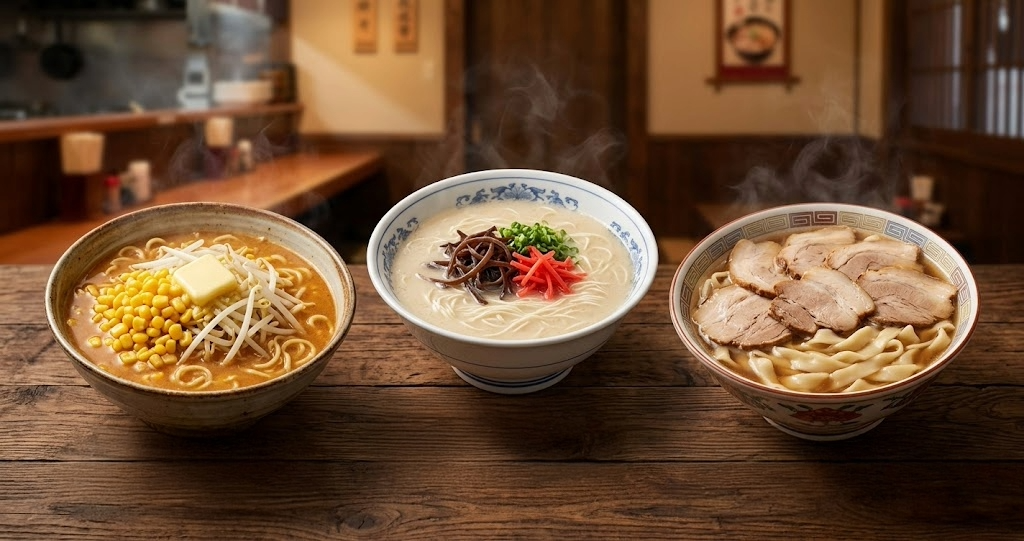
What Ramen Really Is: The Three Styles That Built Japan’s Noodle Culture
This article explores Japan’s "Three Great Ramen"—Sapporo, Hakata, and Kitakata—detailing their distinct histories, broth bases, and noodle styles that reflect the unique climates and cultures of their respective regions. -
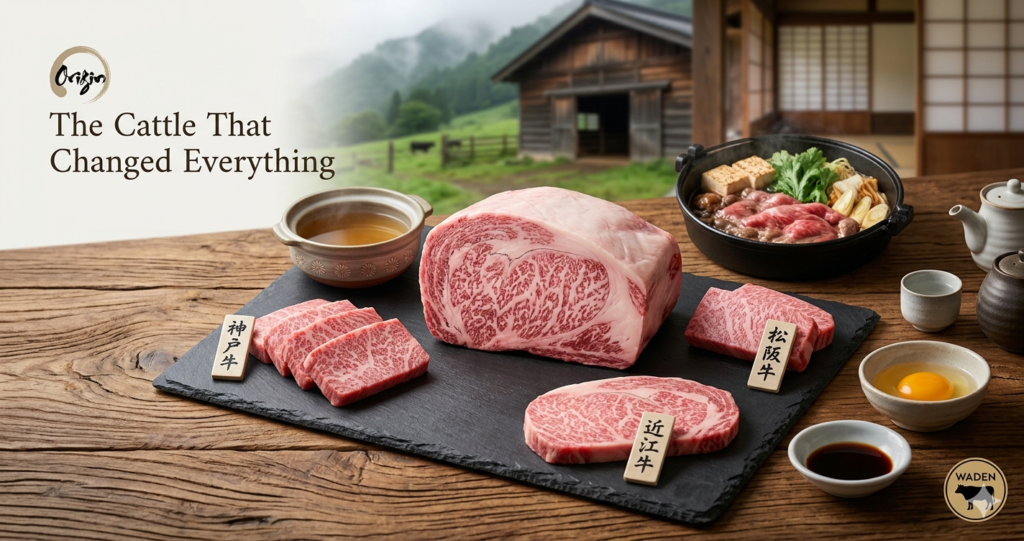
The Cattle That Changed Everything
This comprehensive guide explains the specific genetics, isolation-driven history, rigorous A5 grading system, and regional brands (Kobe, Matsusaka, Omi) that define premium Japanese Wagyu beef, transforming dining into a culturally specific experience. -
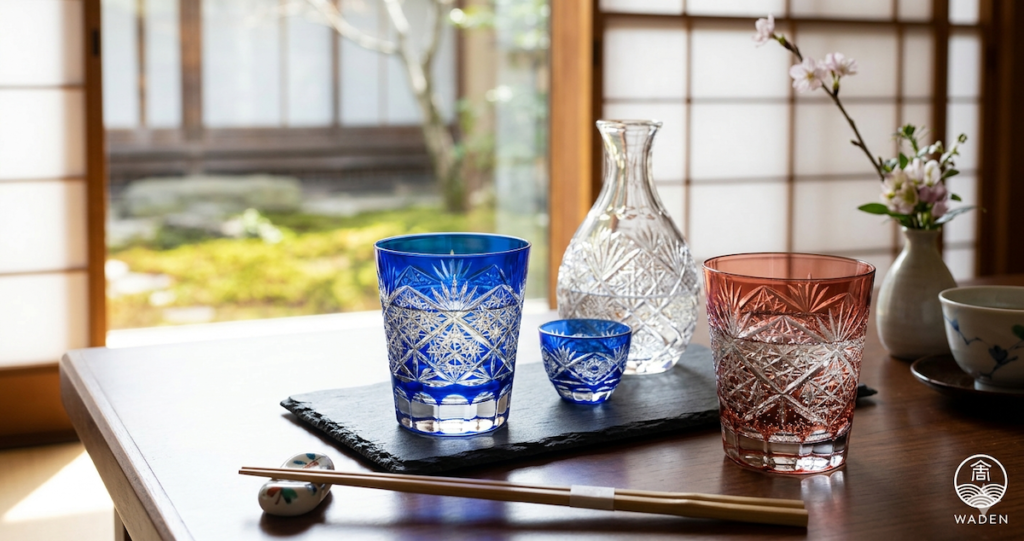
The Glass That Cuts Light
This article introduces Kiriko, Japan's traditional geometric cut glass art, detailing its history, the distinct Edo and Satsuma traditions, the handcrafted production process, auspicious patterns, and its elegant use at the table. -
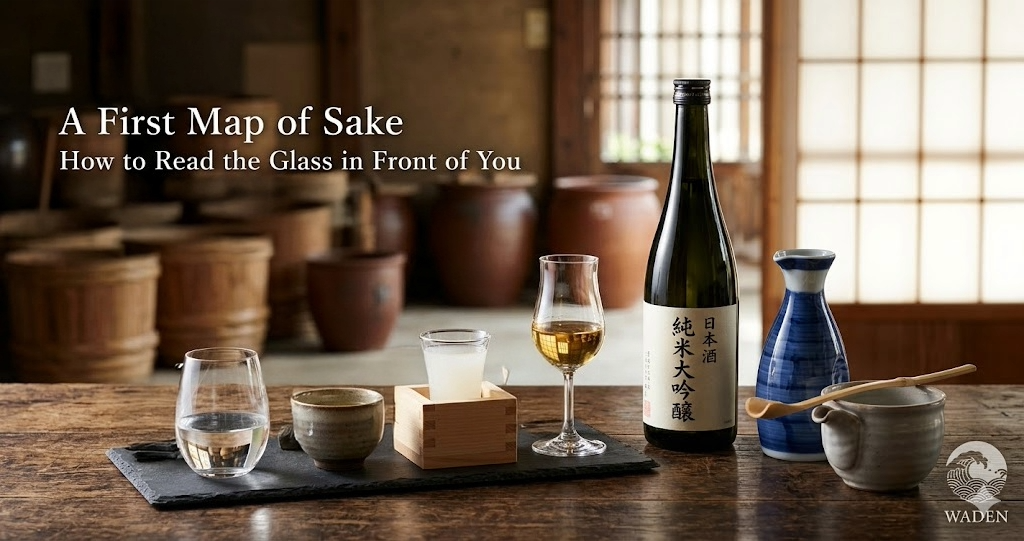
A First Map of Sake
This guide demystifies Japanese sake by explaining the two core variables: rice polishing ratios and added alcohol, helping readers navigate classifications from Junmai and Honjojo to premium Ginjo and Daiginjo. -
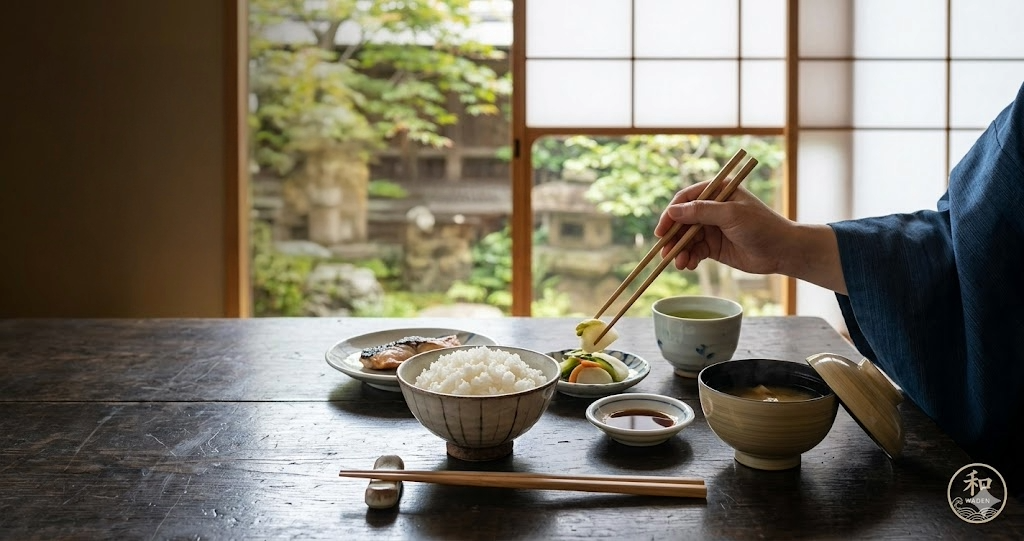
The Unspoken Language of Chopsticks
Japanese chopstick etiquette (hashi) is a system of unspoken rules rooted in culture and ritual, emphasizing respect for the meal, the host, and companions. -
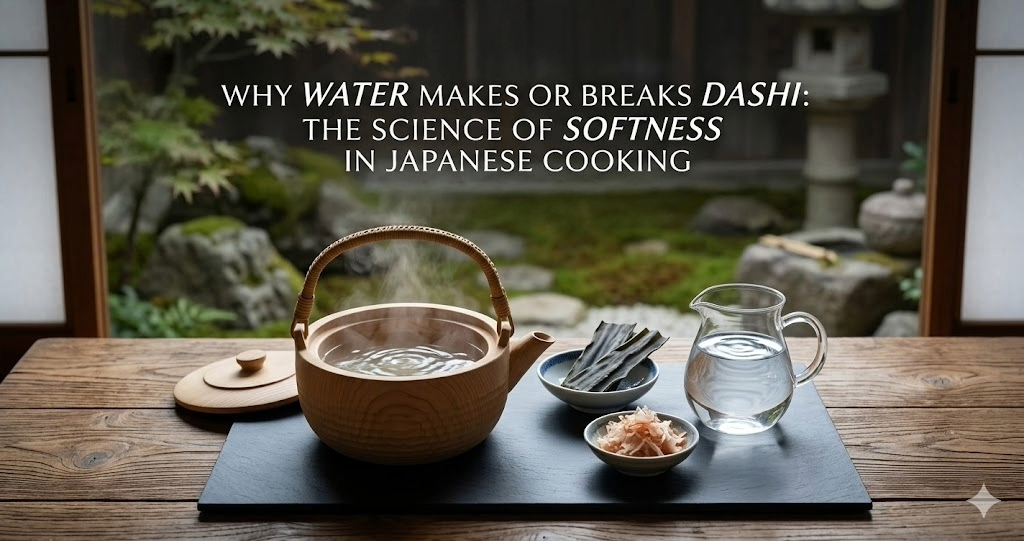
Why Water Makes or Breaks Dashi: The Science of Softness in Japanese Cooking
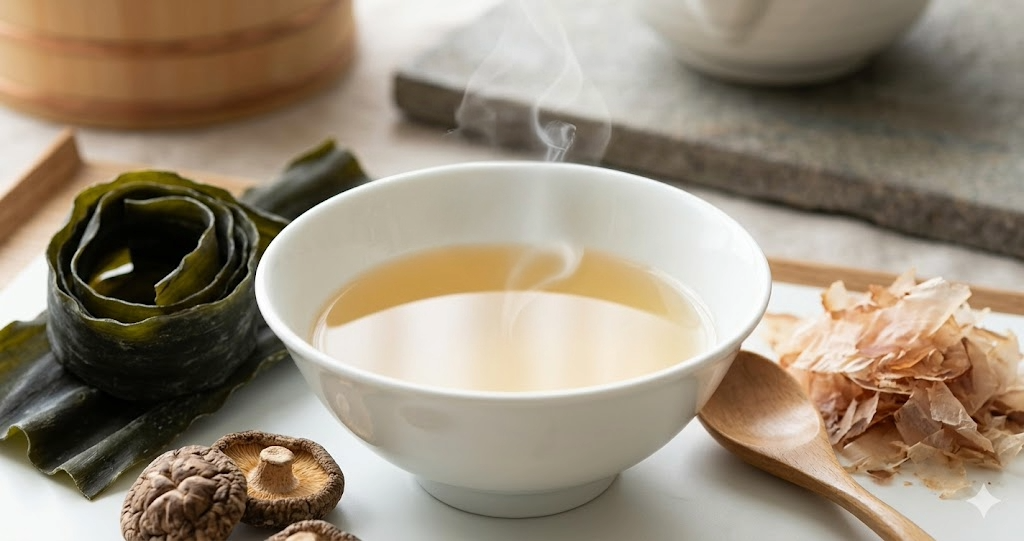
Water hardness critically affects dashi: soft water enables full umami extraction from kombu and katsuobushi, while hard water blocks it, explaining regional Japanese flavors and why results differ abroad. -
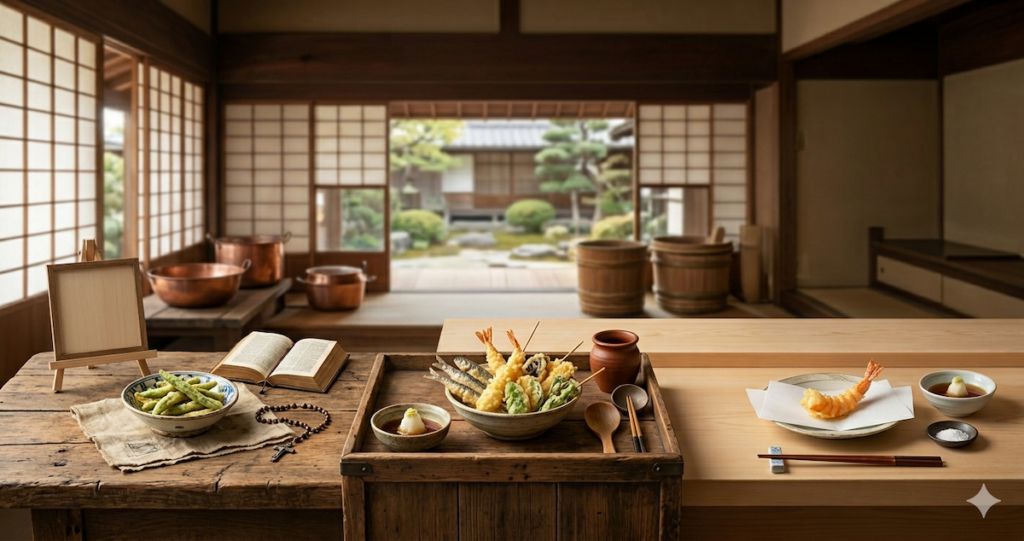
How Tempura Became Japanese: A Five-Hundred-Year Story of Transformation
Tempura evolved from a Portuguese fritter into a refined Japanese dish, shaped by seasonal ingredients, light batter, and precise frying, reflecting Japan’s culinary philosophy and history. -
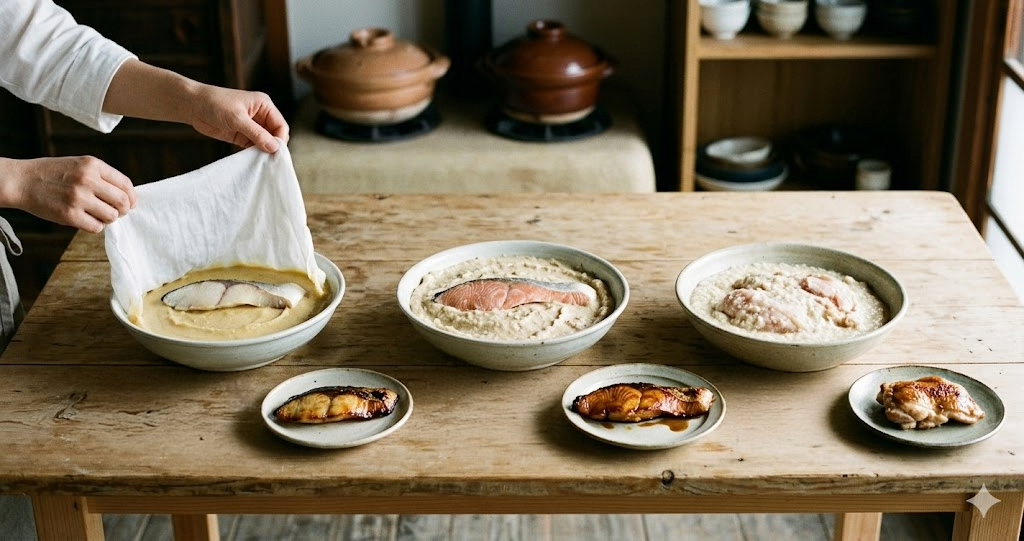
Before the Grill: Japan’s Tradition of Marinating Fish and Meat in Fermented Pastes
Japanese fermented marinades like miso, sake lees, and shio koji transform fish and meat internally, enhancing umami, tenderness, and caramelization before grilling completes the process. -
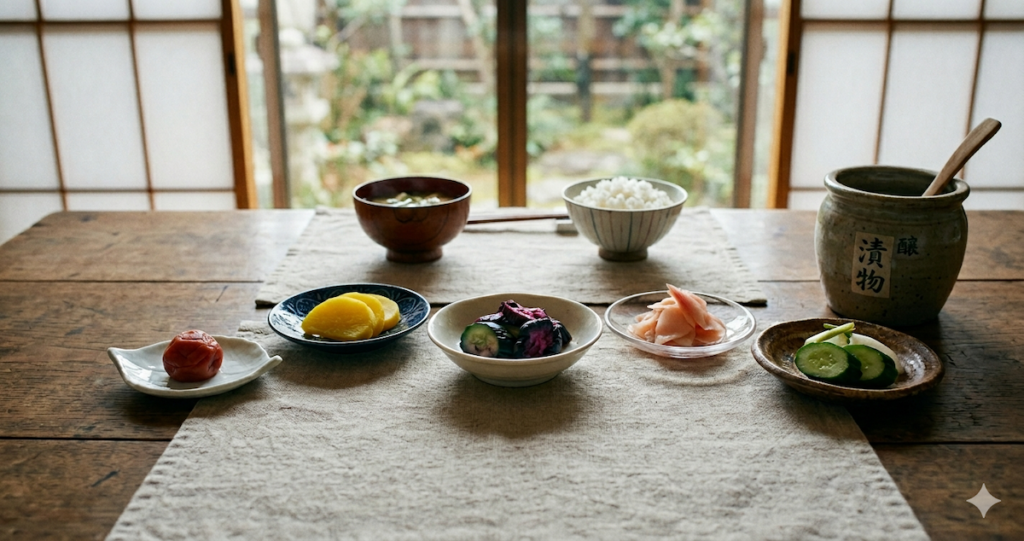
Fragrant Things: What Tsukemono Reveals About How Japan Thinks About Food
Tsukemono are diverse Japanese pickles that provide contrast, cleanse the palate, and structure meals, with regional methods and long fermentation reflecting Japan’s seasonal ingredients and food philosophy.